
 13 Oct 2026









For the First Time in Bulgaria’s History, a Woman Becomes President — Iliana Yotova
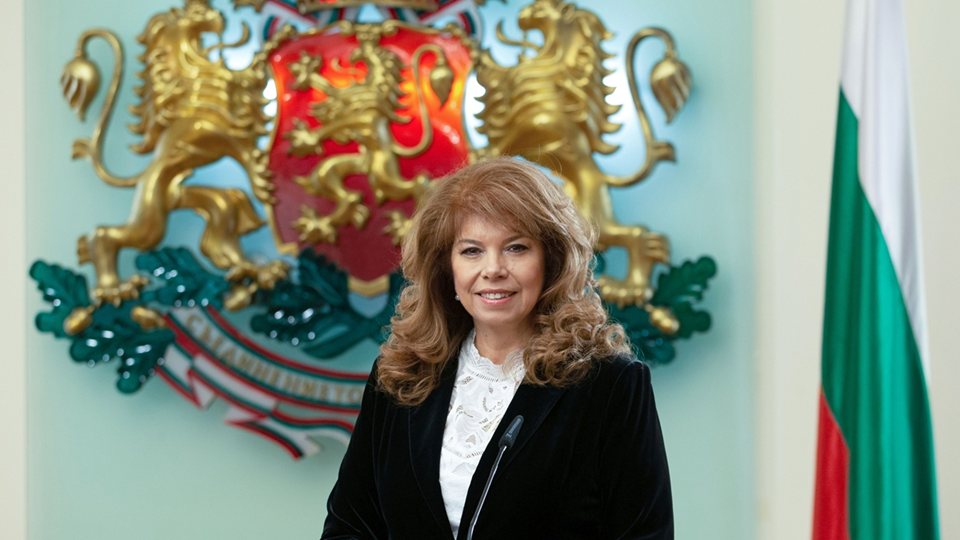
Bulgaria has witnessed a historic political moment: for the first time, a woman has assumed the office of president. 61-year-old Iliana Yotova officially took office, succeeding Rumen Radev. This development is seen not only as a change in the country’s leadership but also as an important milestone for gender equality and female representation in the highest state institutions.
Political experts note that the election of a woman to the presidency symbolizes gradual but significant changes in Bulgaria’s political culture. Despite a long history of male leadership, society and political institutions are demonstrating a willingness to support diversity and inclusivity in state governance. This may also serve as a stimulus for increasing the number of women in parliament, government bodies, and diplomatic positions.

From an international perspective, President Yotova’s election can strengthen Bulgaria’s image as a progressive state ready to support women’s equal participation in politics. Her ascension comes at a time when the country faces major challenges, including the need for economic modernization, strengthening defense, and playing an active role in European and regional initiatives. The new president is therefore tasked with combining symbolic leadership with addressing practical national issues.
Some analysts emphasize that Yotova’s influence on policy will depend not only on her personal qualities and experience but also on her ability to collaborate with parliament, government institutions, and civil society. Her election creates opportunities for new approaches to governance, including in social policy, education, healthcare, and equal rights.
Thus, Iliana Yotova’s historic election as Bulgaria’s president is not only a symbolic step toward gender equality but also a significant factor that could have a tangible impact on policy, social development, and the country’s international image in the coming years.


 Latest news
Latest news
Latest newsGeorgia’s Constitutional Court Continues Case on Banning Opposition Parties: Political Pluralism at Stake
12.Oct.2026
Azerbaijan and Iran Step Up Security Contacts Amid Hijab Protests
12.Oct.2026
Personnel Shortages Complicate Ukrainian Forces’ Rotation: Ukraine Faces Long-Term Challenges on the Front Line
11.Oct.2026
Trump Eases Sanctions on Russian Fuel After Talks with Putin: Kyiv Fears Boost to Moscow’s War Revenues
10.Oct.2026
Putin Seeks to Strengthen Russia’s Influence in the Post-Soviet Space Through the CIS
10.Oct.2026
Russia and the South Caucasus: External Pressure, Political Competition and a Crisis of Trust
10.Oct.2026
Peaceful Settlement Between Armenia and Azerbaijan: Moving from Declarations to Implementation
10.Oct.2026
Moldova Ready to Accept as Many Ukrainians as Necessary if Situation Worsens This Winter
09.Oct.2026
Turkmenistan Turns Avaza into a Regional Diplomatic Hub as Caspian, Central Asian and CIS Agendas Converge
08.Oct.2026
Romania Scrambles Spanish F-18s After Aerial Targets Detected Near Ukrainian Border
07.Oct.2026
Berlin Deepens Defence Partnership with Kyiv: Germany to Provide Ukraine with €1 Billion in Military Aid
07.Oct.2026
European Parliament Against Georgian Dream: EU Prepares New Response to Tbilisi
06.Oct.2026
Bulgarian Foreign Minister to Discuss European Security and International Law in the Netherlands
05.Oct.2026
Rheinmetall in Bulgaria: Sofia Emerges as a New NATO Defence-Industrial Hub in the Balkans
05.Oct.2026
The Cost of a Long War: Moscow Expands Spending Plans Through 2029
05.Oct.2026