
 13 Oct 2026









- strengthen investor confidence in the country’s long-term prospects;
- bolster Ukraine’s position in securing international financial assistance;
- increase pressure on certain EU member states that remain skeptical about accelerated integration.
Zelenskyy Says Ukraine Is Ready to Launch EU Accession Talks
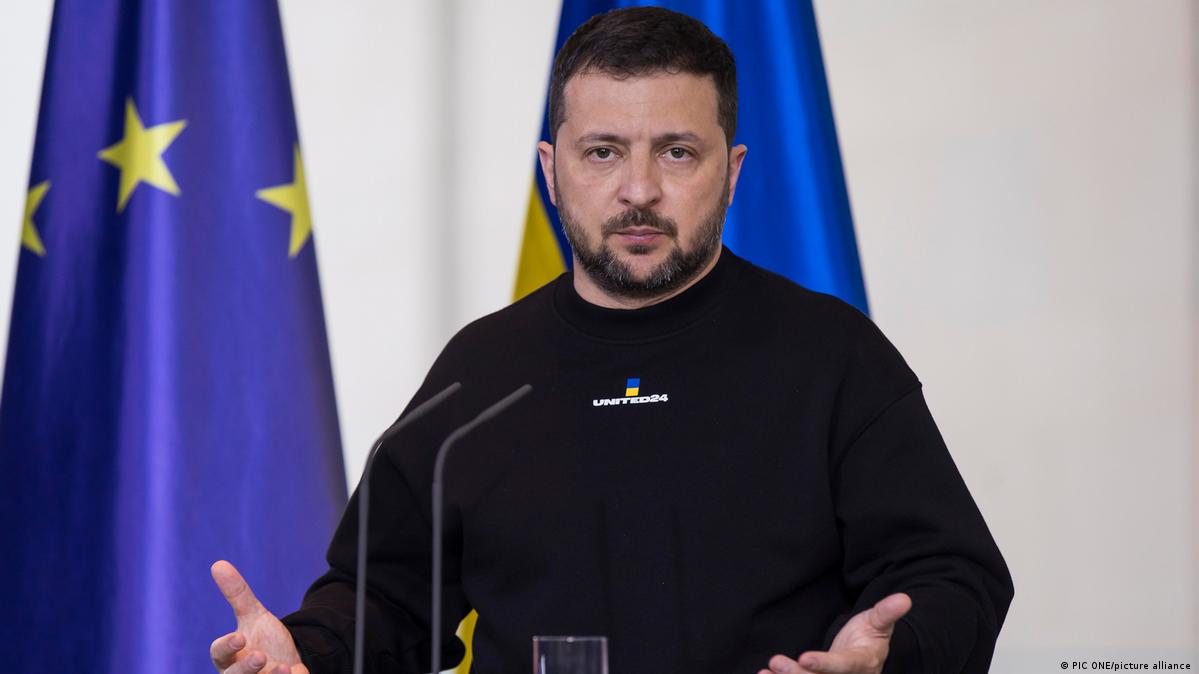
The President of Ukraine, Volodymyr Zelenskyy, has said that Kyiv will complete the technical preparations necessary to open negotiations on all chapters of its accession to the European Union in the coming days. According to him, Ukraine has fulfilled the required preliminary steps and is now awaiting a political decision from Brussels to formally launch the full negotiation process.
The head of state urged EU leaders to set a clear date for the start of membership talks, stressing that this move would represent not only a political milestone but also a strategic security element for the country amid the ongoing military conflict.
“For Ukraine, this is not only about future economic development, but also about guaranteeing stability and protecting democratic institutions”, Zelenskyy said.
Ukraine was granted EU candidate status in 2022 and has since been working to align its legislation with European standards — from judicial reform and anti-corruption measures to the adaptation of economic and customs regulations.
According to European diplomats, key outstanding issues include strengthening the rule of law, reforming anti-corruption institutions, and ensuring the protection of minority rights. At the same time, officials in Brussels acknowledge that Kyiv’s progress under wartime conditions has been unprecedented.
The launch of accession talks would send an important political signal both to Ukrainian society and to international partners. It could:
However, even if negotiations begin promptly, the accession process is likely to take years, as it requires agreement across dozens of negotiating chapters and unanimous approval by all EU member states. Nevertheless, Zelenskyy’s statement underscores Kyiv’s determination to make its strategic course toward European integration irreversible — despite ongoing security risks and a challenging economic environment.


 Latest news
Latest news
Latest newsGeorgia’s Constitutional Court Continues Case on Banning Opposition Parties: Political Pluralism at Stake
12.Oct.2026
Azerbaijan and Iran Step Up Security Contacts Amid Hijab Protests
12.Oct.2026
Personnel Shortages Complicate Ukrainian Forces’ Rotation: Ukraine Faces Long-Term Challenges on the Front Line
11.Oct.2026
Trump Eases Sanctions on Russian Fuel After Talks with Putin: Kyiv Fears Boost to Moscow’s War Revenues
10.Oct.2026
Putin Seeks to Strengthen Russia’s Influence in the Post-Soviet Space Through the CIS
10.Oct.2026
Russia and the South Caucasus: External Pressure, Political Competition and a Crisis of Trust
10.Oct.2026
Peaceful Settlement Between Armenia and Azerbaijan: Moving from Declarations to Implementation
10.Oct.2026
Moldova Ready to Accept as Many Ukrainians as Necessary if Situation Worsens This Winter
09.Oct.2026
Turkmenistan Turns Avaza into a Regional Diplomatic Hub as Caspian, Central Asian and CIS Agendas Converge
08.Oct.2026
Romania Scrambles Spanish F-18s After Aerial Targets Detected Near Ukrainian Border
07.Oct.2026
Berlin Deepens Defence Partnership with Kyiv: Germany to Provide Ukraine with €1 Billion in Military Aid
07.Oct.2026
European Parliament Against Georgian Dream: EU Prepares New Response to Tbilisi
06.Oct.2026
Bulgarian Foreign Minister to Discuss European Security and International Law in the Netherlands
05.Oct.2026
Rheinmetall in Bulgaria: Sofia Emerges as a New NATO Defence-Industrial Hub in the Balkans
05.Oct.2026
The Cost of a Long War: Moscow Expands Spending Plans Through 2029
05.Oct.2026