
 13 Oct 2026









Russia and China Strongly Condemn U.S. and Israeli Military Strikes on Iran
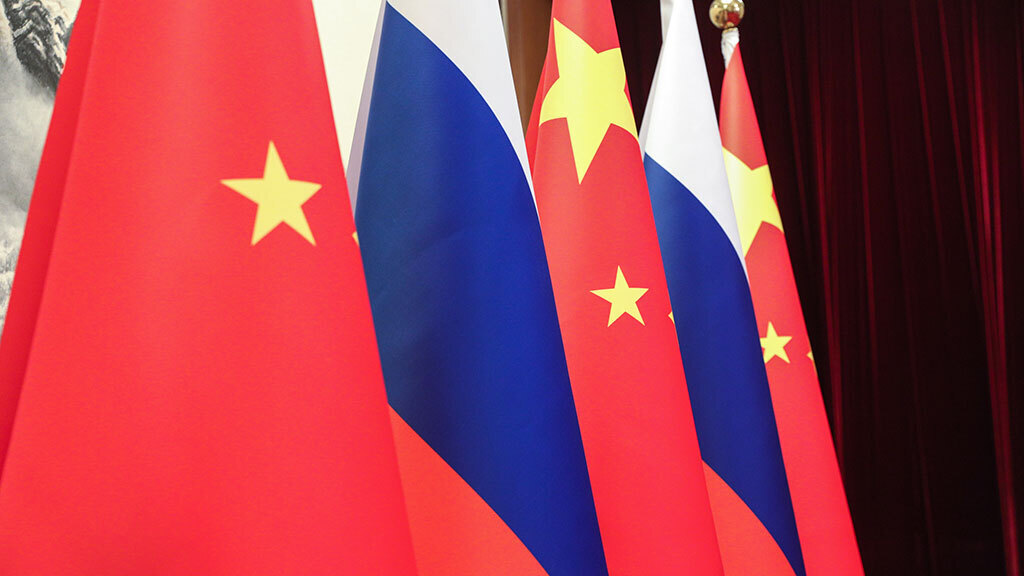
Russia and China have sharply criticized the military operation carried out by the United States and Israel against Iran, calling for an immediate cessation of hostilities and a return to diplomatic efforts.
Chinese Foreign Minister Wang Yi, in a phone conversation with his Israeli counterpart Gideon Saar, called for an end to the strikes on Iran, emphasizing that the use of force does not resolve problems but instead exacerbates the crisis and creates new risks to regional stability. Beijing also expressed concern that the negotiation process between Iran and the United States, which in its view had been showing signs of progress, was disrupted by the outbreak of hostilities.
For his part, Russian Foreign Minister Sergey Lavrov stated that Moscow sees no evidence that Tehran is seeking to develop nuclear weapons — the primary justification cited for the U.S. and Israeli campaign. He warned that the current strikes could have the opposite effect, potentially prompting countries in the region, including Iran itself and several Arab states, to pursue their own nuclear programs, thereby posing a threat to global security. According to the Russian diplomat, responsibility for the escalation and its possible long-term consequences lies with Washington and Tel Aviv, rather than with the parties that have been subjected to the attacks.
These statements came amid ongoing hostilities in the Middle East, where Iran and a coalition led by Israel and the United States have been exchanging missile strikes and conducting air raids for several consecutive days. The conflict has contributed to growing global instability, including sharp fluctuations in energy prices and an increase in international protests against the military operations.
The statements from Moscow and Beijing signal that major powers are attempting to limit the scope of the conflict and encourage a return to negotiations despite the worsening situation. While Western countries have largely supported the actions of the United States and Israel against Tehran, Russia and China have intensified their criticism, increasing the risk of broader international political confrontation and further fragmentation of the global order. Rising tensions may also prompt other countries in the region — from Saudi Arabia to the United Arab Emirates — to reassess their security strategies and potentially expand their military capabilities. This, in turn, could trigger a new phase of an arms race in the Middle East. Additionally, oil markets have already reacted to the crisis with rising prices amid fears of supply disruptions through the Strait of Hormuz, which could further intensify inflationary pressures worldwide.


 Latest news
Latest news
Latest newsGeorgia’s Constitutional Court Continues Case on Banning Opposition Parties: Political Pluralism at Stake
12.Oct.2026
Azerbaijan and Iran Step Up Security Contacts Amid Hijab Protests
12.Oct.2026
Personnel Shortages Complicate Ukrainian Forces’ Rotation: Ukraine Faces Long-Term Challenges on the Front Line
11.Oct.2026
Trump Eases Sanctions on Russian Fuel After Talks with Putin: Kyiv Fears Boost to Moscow’s War Revenues
10.Oct.2026
Putin Seeks to Strengthen Russia’s Influence in the Post-Soviet Space Through the CIS
10.Oct.2026
Russia and the South Caucasus: External Pressure, Political Competition and a Crisis of Trust
10.Oct.2026
Peaceful Settlement Between Armenia and Azerbaijan: Moving from Declarations to Implementation
10.Oct.2026
Moldova Ready to Accept as Many Ukrainians as Necessary if Situation Worsens This Winter
09.Oct.2026
Turkmenistan Turns Avaza into a Regional Diplomatic Hub as Caspian, Central Asian and CIS Agendas Converge
08.Oct.2026
Romania Scrambles Spanish F-18s After Aerial Targets Detected Near Ukrainian Border
07.Oct.2026
Berlin Deepens Defence Partnership with Kyiv: Germany to Provide Ukraine with €1 Billion in Military Aid
07.Oct.2026
European Parliament Against Georgian Dream: EU Prepares New Response to Tbilisi
06.Oct.2026
Bulgarian Foreign Minister to Discuss European Security and International Law in the Netherlands
05.Oct.2026
Rheinmetall in Bulgaria: Sofia Emerges as a New NATO Defence-Industrial Hub in the Balkans
05.Oct.2026
The Cost of a Long War: Moscow Expands Spending Plans Through 2029
05.Oct.2026