
 13 Oct 2026









EU Steps Up Pressure on Kyiv Over the “Druzhba” Oil Pipeline
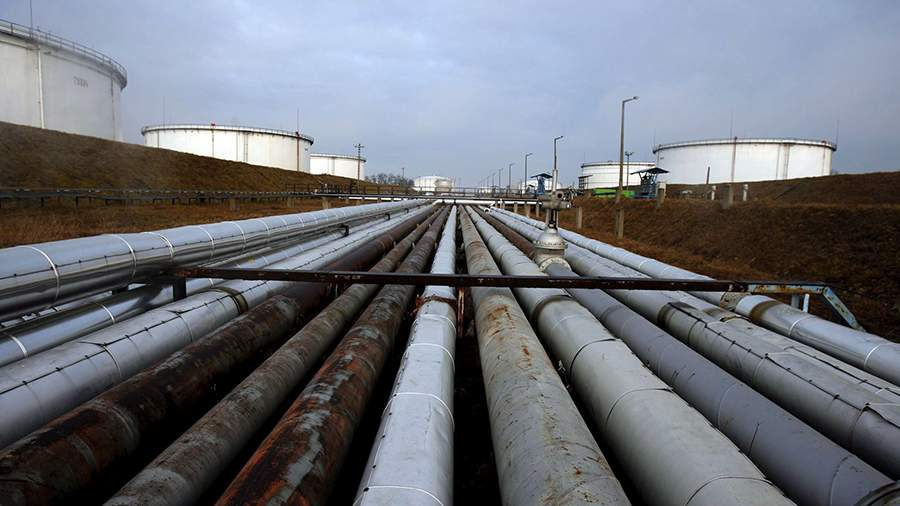
The European Union has increased pressure on Ukraine to allow European inspectors access to the “Druzhba” oil pipeline, which transports Russian oil to Central European countries, including Hungary and Slovakia. This was reported by Western media citing EU sources and European diplomats.
Ukraine maintains that the pipeline was severely damaged by a Russian strike on energy infrastructure in January and that repairs require time and strict safety precautions. Kyiv has already provided European partners with documentation and evidence of the damage, including photos of a large storage tank engulfed in flames.
However, several EU countries, particularly Hungary and Slovakia, accuse Ukraine of deliberately delaying repairs and obstructing inspections, insisting there are no technical reasons to halt oil supplies. These countries have also taken steps to block a multibillion-euro aid package to Ukraine within the EU until shipments resume.
During a visit to Kyiv, European Commission President Ursula von der Leyen and European Council President António Costa called on Ukrainian authorities to grant access to the damaged section for damage assessment and inspection of restoration progress, but were denied. Kyiv cited security concerns and the unexplored condition of the destroyed infrastructure.
Meanwhile, Ukraine’s top energy official stated that the fire caused by the attack was so extensive that assessing the condition of the pipeline’s underground sections requires time, and repairs could endanger workers’ safety. Kyiv also expressed concern that the situation is being used as political leverage.
The dispute over the Druzhba pipeline is heightening tensions between Ukraine and certain EU countries, while Brussels seeks to balance regional energy stability with Ukraine’s interests amid the ongoing war.


 Latest news
Latest news
Latest newsGeorgia’s Constitutional Court Continues Case on Banning Opposition Parties: Political Pluralism at Stake
12.Oct.2026
Azerbaijan and Iran Step Up Security Contacts Amid Hijab Protests
12.Oct.2026
Personnel Shortages Complicate Ukrainian Forces’ Rotation: Ukraine Faces Long-Term Challenges on the Front Line
11.Oct.2026
Trump Eases Sanctions on Russian Fuel After Talks with Putin: Kyiv Fears Boost to Moscow’s War Revenues
10.Oct.2026
Putin Seeks to Strengthen Russia’s Influence in the Post-Soviet Space Through the CIS
10.Oct.2026
Russia and the South Caucasus: External Pressure, Political Competition and a Crisis of Trust
10.Oct.2026
Peaceful Settlement Between Armenia and Azerbaijan: Moving from Declarations to Implementation
10.Oct.2026
Moldova Ready to Accept as Many Ukrainians as Necessary if Situation Worsens This Winter
09.Oct.2026
Turkmenistan Turns Avaza into a Regional Diplomatic Hub as Caspian, Central Asian and CIS Agendas Converge
08.Oct.2026
Romania Scrambles Spanish F-18s After Aerial Targets Detected Near Ukrainian Border
07.Oct.2026
Berlin Deepens Defence Partnership with Kyiv: Germany to Provide Ukraine with €1 Billion in Military Aid
07.Oct.2026
European Parliament Against Georgian Dream: EU Prepares New Response to Tbilisi
06.Oct.2026
Bulgarian Foreign Minister to Discuss European Security and International Law in the Netherlands
05.Oct.2026
Rheinmetall in Bulgaria: Sofia Emerges as a New NATO Defence-Industrial Hub in the Balkans
05.Oct.2026
The Cost of a Long War: Moscow Expands Spending Plans Through 2029
05.Oct.2026