
 13 Oct 2026









Russia Warns of Nuclear Catastrophe Risk: Moscow Urges Against Strikes Near Iran’s Nuclear Power Plant
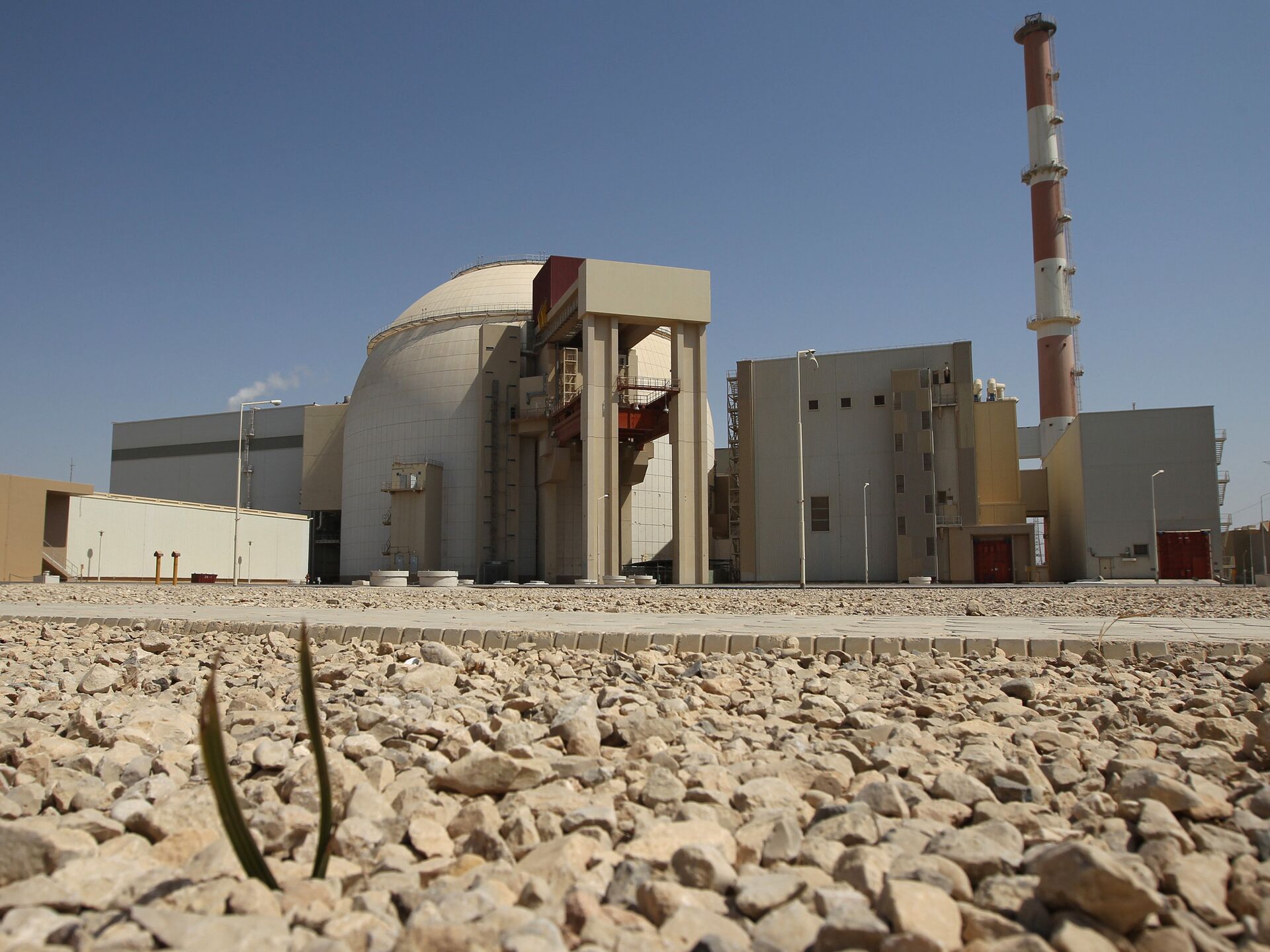
Russia has issued a warning to Israel over potential strikes near the city of Bushehr in southern Iran, where the country’s nuclear power plant is located. Moscow drew attention to the risks for the safety of the nuclear facility and the foreign specialists working there, including Russian personnel.
The statement followed reports of military activity in the Bushehr area amid the ongoing conflict involving Iran, the United States, and Israel. The Russian side emphasized that attacks on facilities located near the nuclear power plant could lead to serious consequences not only for the region but also for international security.
It should be noted that the Bushehr nuclear power plant is the only operating nuclear power facility in Iran and was built with the participation of Russian specialists. In recent years, Moscow has played an active role in its modernization and technical maintenance. Russian engineers and technical personnel continue to work at the facility, making the situation around the plant particularly sensitive for Russia.
The situation around Bushehr is unfolding against the backdrop of a large-scale conflict that began in late February following strikes by the United States and Israel on targets inside Iran. The military operation has become part of a new phase of confrontation surrounding Iran’s nuclear program and Tehran’s regional influence.
Political analysts note that through this warning Russia is also seeking to protect its specialists working at the Iranian nuclear facility. As the war in the Middle East continues, the issue of nuclear facility safety is becoming increasingly pressing. Experts stress that any military activity near nuclear infrastructure poses heightened risks. Even limited strikes on nearby facilities could damage cooling systems, power supply networks, or nuclear fuel storage sites. In such a scenario, the consequences could affect not only Iran but also countries across the Middle East. If hostilities move closer to nuclear energy infrastructure, the conflict could enter a new level of risk, with repercussions felt far beyond the region.


 Latest news
Latest news
Latest newsGeorgia’s Constitutional Court Continues Case on Banning Opposition Parties: Political Pluralism at Stake
12.Oct.2026
Azerbaijan and Iran Step Up Security Contacts Amid Hijab Protests
12.Oct.2026
Personnel Shortages Complicate Ukrainian Forces’ Rotation: Ukraine Faces Long-Term Challenges on the Front Line
11.Oct.2026
Trump Eases Sanctions on Russian Fuel After Talks with Putin: Kyiv Fears Boost to Moscow’s War Revenues
10.Oct.2026
Putin Seeks to Strengthen Russia’s Influence in the Post-Soviet Space Through the CIS
10.Oct.2026
Russia and the South Caucasus: External Pressure, Political Competition and a Crisis of Trust
10.Oct.2026
Peaceful Settlement Between Armenia and Azerbaijan: Moving from Declarations to Implementation
10.Oct.2026
Moldova Ready to Accept as Many Ukrainians as Necessary if Situation Worsens This Winter
09.Oct.2026
Turkmenistan Turns Avaza into a Regional Diplomatic Hub as Caspian, Central Asian and CIS Agendas Converge
08.Oct.2026
Romania Scrambles Spanish F-18s After Aerial Targets Detected Near Ukrainian Border
07.Oct.2026
Berlin Deepens Defence Partnership with Kyiv: Germany to Provide Ukraine with €1 Billion in Military Aid
07.Oct.2026
European Parliament Against Georgian Dream: EU Prepares New Response to Tbilisi
06.Oct.2026
Bulgarian Foreign Minister to Discuss European Security and International Law in the Netherlands
05.Oct.2026
Rheinmetall in Bulgaria: Sofia Emerges as a New NATO Defence-Industrial Hub in the Balkans
05.Oct.2026
The Cost of a Long War: Moscow Expands Spending Plans Through 2029
05.Oct.2026