
 13 Oct 2026









Kazakhstan Adopts a New Constitution: Strengthening Presidential Power and Political Modernization
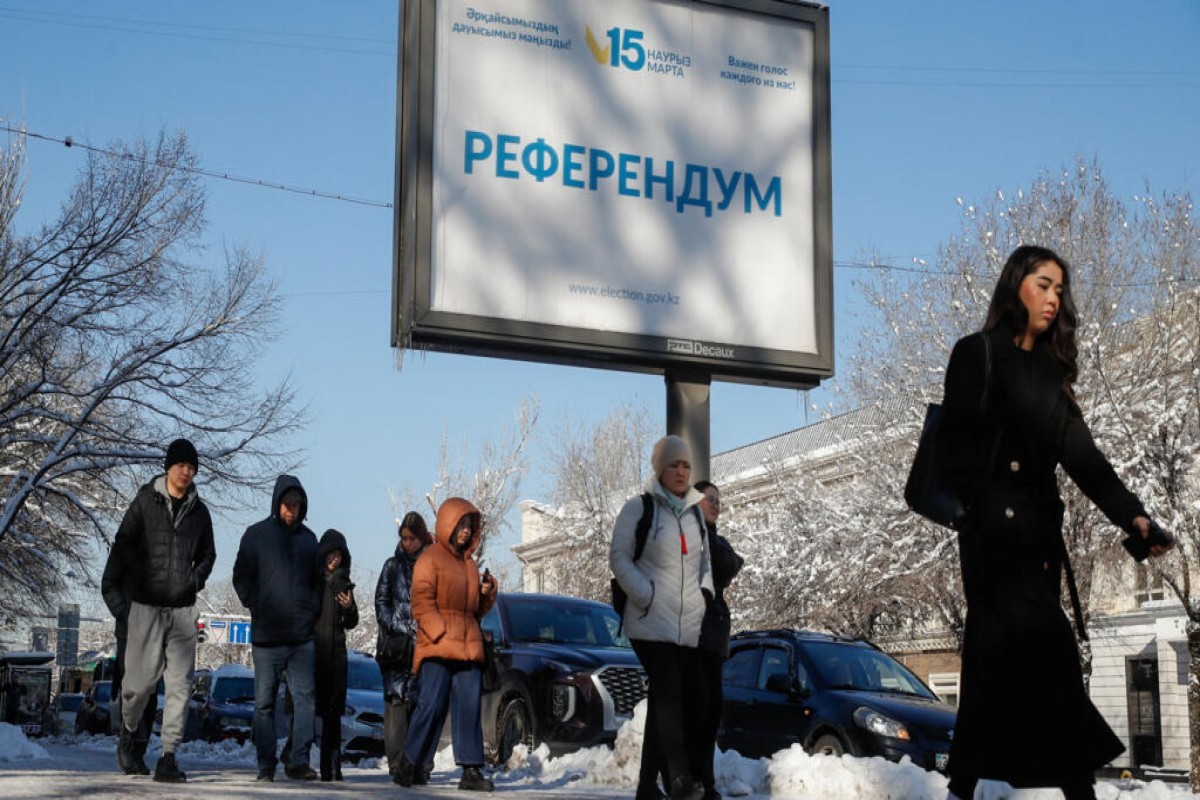
Kazakhstan has held a nationwide referendum on the adoption
of a new Constitution, marking one of the most significant political events in
the country in recent years. According to preliminary data from the Central
Election Commission, about 87–89% of voters supported the proposed amendments,
with voter turnout reaching approximately 73%. The results of the referendum
indicate a high level of voter mobilization and demonstrate the authorities’
intention to consolidate a new phase of political transformation in the
country.
The adopted Constitution
introduces substantial changes to the architecture of state power. One of the
most widely discussed innovations is the restoration of the position of vice
president, which had previously been abolished as part of earlier political reforms.
This institution is expected to serve as an additional mechanism to ensure the
continuity of power and provide greater stability for the executive branch in
the event of political or institutional crises. At the same time, the reform
provides for the restructuring of the parliamentary system, including
adjustments to the powers and procedures governing interaction between the
legislative and executive branches.
The new version of the basic
law also expands the powers of the president, which, according to a number of
political analysts, may strengthen the vertical of power and improve the
efficiency of strategic decision-making. Critics of the reforms, however, argue
that such changes could increase the personalization of power and reduce the
space for political competition. Nevertheless, supporters of the constitutional
reforms maintain that the modernization of institutional structures is
necessary for Kazakhstan to adapt to new geopolitical and economic realities.
Following the completion of
the referendum, the authorities also announced the introduction of a new
national holiday — Constitution Day — which will be celebrated annually on
March 15. This move symbolically reinforces the significance of the vote and
highlights the government’s intention to present the adoption of the new
Constitution as the beginning of a new stage in Kazakhstan’s political
development. Experts note that such symbolic decisions are often used to build
new political legitimacy and consolidate public support around institutional
reforms.
Analysts emphasize that these constitutional changes are taking place amid a period of active transformation in the regional and international environment, prompting Astana to seek a more resilient model of governance. In this context, the referendum is viewed not only as a domestic political process but also as an attempt to strengthen state governance in the face of growing economic and geopolitical challenges.


 Latest news
Latest news
Latest newsGeorgia’s Constitutional Court Continues Case on Banning Opposition Parties: Political Pluralism at Stake
12.Oct.2026
Azerbaijan and Iran Step Up Security Contacts Amid Hijab Protests
12.Oct.2026
Personnel Shortages Complicate Ukrainian Forces’ Rotation: Ukraine Faces Long-Term Challenges on the Front Line
11.Oct.2026
Trump Eases Sanctions on Russian Fuel After Talks with Putin: Kyiv Fears Boost to Moscow’s War Revenues
10.Oct.2026
Putin Seeks to Strengthen Russia’s Influence in the Post-Soviet Space Through the CIS
10.Oct.2026
Russia and the South Caucasus: External Pressure, Political Competition and a Crisis of Trust
10.Oct.2026
Peaceful Settlement Between Armenia and Azerbaijan: Moving from Declarations to Implementation
10.Oct.2026
Moldova Ready to Accept as Many Ukrainians as Necessary if Situation Worsens This Winter
09.Oct.2026
Turkmenistan Turns Avaza into a Regional Diplomatic Hub as Caspian, Central Asian and CIS Agendas Converge
08.Oct.2026
Romania Scrambles Spanish F-18s After Aerial Targets Detected Near Ukrainian Border
07.Oct.2026
Berlin Deepens Defence Partnership with Kyiv: Germany to Provide Ukraine with €1 Billion in Military Aid
07.Oct.2026
European Parliament Against Georgian Dream: EU Prepares New Response to Tbilisi
06.Oct.2026
Bulgarian Foreign Minister to Discuss European Security and International Law in the Netherlands
05.Oct.2026
Rheinmetall in Bulgaria: Sofia Emerges as a New NATO Defence-Industrial Hub in the Balkans
05.Oct.2026
The Cost of a Long War: Moscow Expands Spending Plans Through 2029
05.Oct.2026