
 13 Oct 2026









Greece Rules Out Participation in Military Operations in the Strait of Hormuz Amid Rising Tensions in the Middle East
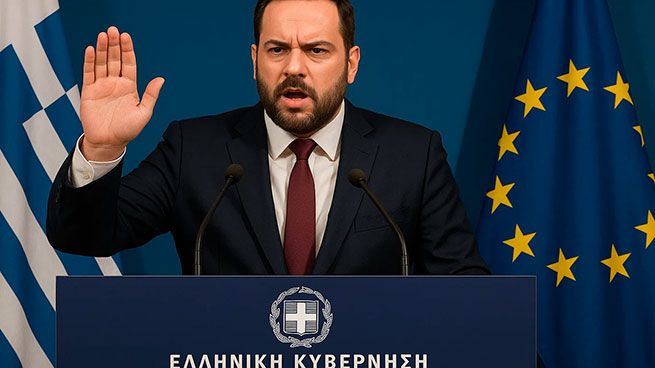
The Greek government has stated that the country will not
participate in potential military operations in the Strait of Hormuz despite
calls from the United States for its allies to help ensure the security of
shipping in the strategically important region. Government spokesperson Pavlos
Marinakis emphasized that Athens does not intend to become involved in combat
operations in the area.
The statement comes amid
escalating tensions in the Middle East and the ongoing confrontation
surrounding Iran, which has already created serious concerns about the safety
of maritime routes through the Strait of Hormuz. This maritime corridor is
considered one of the most important global energy routes, as a significant
share of the world’s oil and gas supplies passes through it. Growing
instability in the region has raised fears about the security of tanker traffic
and the potential increase in global energy prices.
According to representatives
of the Greek government, the country’s role in regional security will remain
limited to the European Union mission Aspides,
which aims to protect commercial vessels in the Red Sea and ensure freedom of
navigation. Athens stressed that the mission is defensive in nature and does
not involve participation in direct military operations against any state.
Greece’s decision also
reflects the broader position of several European countries that are seeking to
avoid direct military involvement in the conflict surrounding Iran. Amid
growing geopolitical tensions, many European governments are attempting to
balance support for the security of international maritime routes with efforts
to prevent further escalation in the Middle East.
Experts note that
Athens’ cautious stance is linked both to the risks of a wider regional
conflict and to economic considerations. Any serious disruption to shipping in
the Strait of Hormuz could affect global energy markets and lead to rising oil
prices, which would directly impact the economic situation in Europe. In this
context, Greece’s decision not to participate in a military operation is seen
as an attempt to maintain diplomatic balance and avoid direct involvement in a
potential escalation.
Researcher and consultant,
Nicholas Georgiou


 Latest news
Latest news
Latest newsGeorgia’s Constitutional Court Continues Case on Banning Opposition Parties: Political Pluralism at Stake
12.Oct.2026
Azerbaijan and Iran Step Up Security Contacts Amid Hijab Protests
12.Oct.2026
Personnel Shortages Complicate Ukrainian Forces’ Rotation: Ukraine Faces Long-Term Challenges on the Front Line
11.Oct.2026
Trump Eases Sanctions on Russian Fuel After Talks with Putin: Kyiv Fears Boost to Moscow’s War Revenues
10.Oct.2026
Putin Seeks to Strengthen Russia’s Influence in the Post-Soviet Space Through the CIS
10.Oct.2026
Russia and the South Caucasus: External Pressure, Political Competition and a Crisis of Trust
10.Oct.2026
Peaceful Settlement Between Armenia and Azerbaijan: Moving from Declarations to Implementation
10.Oct.2026
Moldova Ready to Accept as Many Ukrainians as Necessary if Situation Worsens This Winter
09.Oct.2026
Turkmenistan Turns Avaza into a Regional Diplomatic Hub as Caspian, Central Asian and CIS Agendas Converge
08.Oct.2026
Romania Scrambles Spanish F-18s After Aerial Targets Detected Near Ukrainian Border
07.Oct.2026
Berlin Deepens Defence Partnership with Kyiv: Germany to Provide Ukraine with €1 Billion in Military Aid
07.Oct.2026
European Parliament Against Georgian Dream: EU Prepares New Response to Tbilisi
06.Oct.2026
Bulgarian Foreign Minister to Discuss European Security and International Law in the Netherlands
05.Oct.2026
Rheinmetall in Bulgaria: Sofia Emerges as a New NATO Defence-Industrial Hub in the Balkans
05.Oct.2026
The Cost of a Long War: Moscow Expands Spending Plans Through 2029
05.Oct.2026