
 13 Oct 2026









Putin and Pashinyan in Moscow: Armenia Strengthens Its Agency Amid Regional Changes
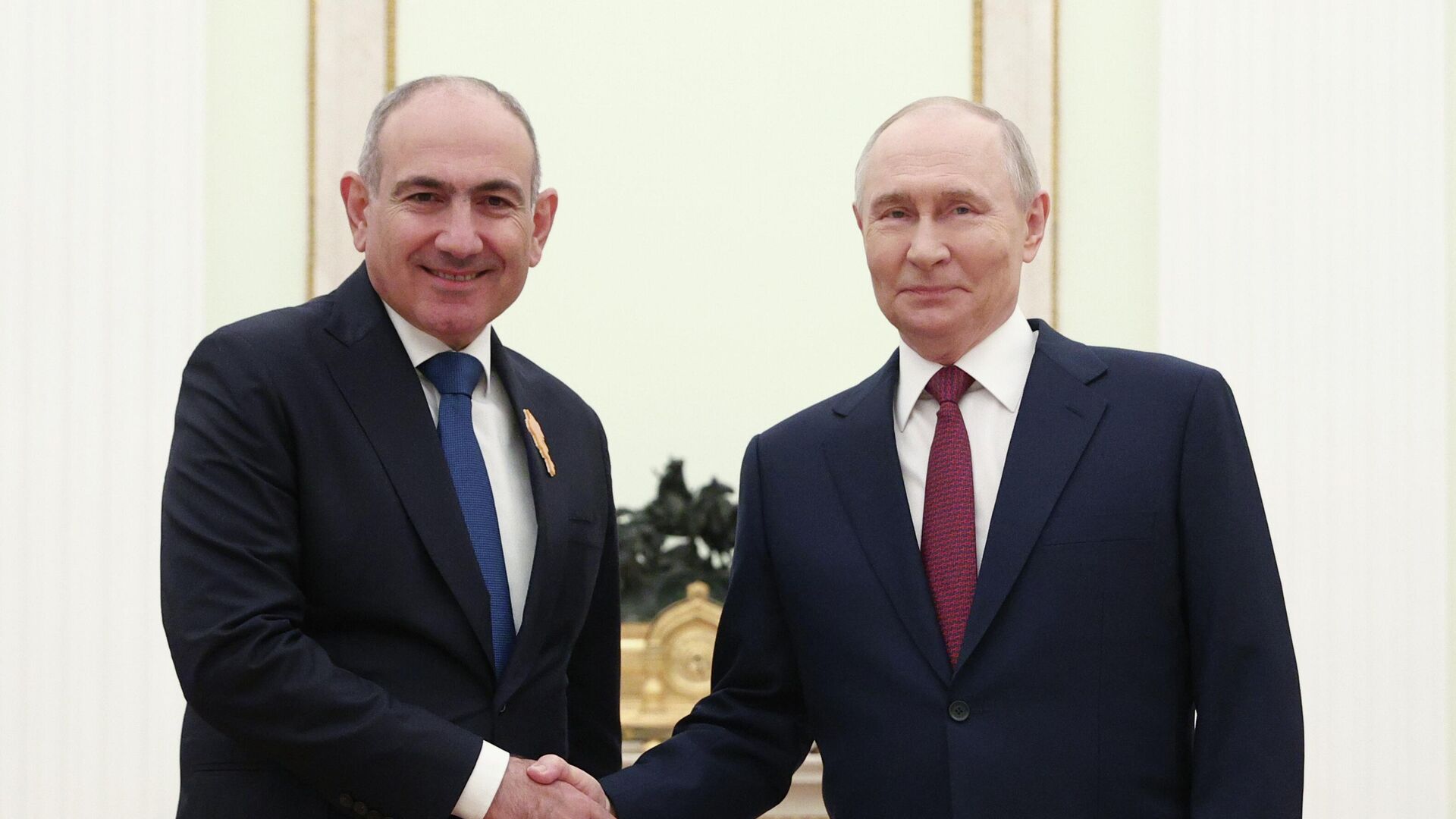
The
meeting between Russian President Vladimir Putin
and Armenian Prime Minister Nikol Pashinyan
in Moscow on April 1 marked an important stage in the reassessment of bilateral
relations, which are now evolving in a more complex yet more mature form.
The talks were held in a candid atmosphere and addressed
key issues ranging from the economy to security and Yerevan’s foreign policy
course. Notably, Armenia’s confident position stood out, as it continues to
consistently defend its national interests, demonstrating growing political
agency and flexibility in decision-making.
One of the central topics was balancing cooperation with
Russia and the development of ties with the European Union. Moscow pointed to
the challenges of combining membership in the Eurasian
Economic Union with deeper integration into the EU. In response,
Pashinyan emphasized that Armenia seeks to pursue a pragmatic and multi-vector
foreign policy based on the interests of its society. According to experts,
this approach reflects Yerevan’s increasing diplomatic independence and its
ability to engage with multiple centers of power.
In the field of security, discussions were also complex.
Issues related to the role of the Collective
Security Treaty Organization remain sensitive for Armenia. However,
Yerevan’s position reflects a desire not for confrontation, but for the search
for more effective and modern security mechanisms, in line with the broader
transformation of the regional security architecture.
The absence of high-profile statements following the
meeting may indicate not a weakness in negotiations, but rather a shift toward
more pragmatic and substantive diplomacy, where the focus is placed on
long-term interests rather than symbolic gestures.
Analysts note that Armenia today
demonstrates an ability to adapt to a rapidly changing geopolitical
environment. Despite objective challenges, the country continues to develop its
state institutions, strengthen democratic processes, and expand its foreign
policy opportunities. This allows Yerevan to engage in a more balanced dialogue
even with major partners such as Russia.
Overall, the meeting in Moscow showed that Armenia is
increasingly shaping its own development strategy, striving to maintain a
balance between traditional allies and new areas of cooperation. If implemented
effectively, this course could strengthen the country’s position in the region
and enhance its role as an independent and responsible international actor.


 Latest news
Latest news
Latest newsGeorgia’s Constitutional Court Continues Case on Banning Opposition Parties: Political Pluralism at Stake
12.Oct.2026
Azerbaijan and Iran Step Up Security Contacts Amid Hijab Protests
12.Oct.2026
Personnel Shortages Complicate Ukrainian Forces’ Rotation: Ukraine Faces Long-Term Challenges on the Front Line
11.Oct.2026
Trump Eases Sanctions on Russian Fuel After Talks with Putin: Kyiv Fears Boost to Moscow’s War Revenues
10.Oct.2026
Putin Seeks to Strengthen Russia’s Influence in the Post-Soviet Space Through the CIS
10.Oct.2026
Russia and the South Caucasus: External Pressure, Political Competition and a Crisis of Trust
10.Oct.2026
Peaceful Settlement Between Armenia and Azerbaijan: Moving from Declarations to Implementation
10.Oct.2026
Moldova Ready to Accept as Many Ukrainians as Necessary if Situation Worsens This Winter
09.Oct.2026
Turkmenistan Turns Avaza into a Regional Diplomatic Hub as Caspian, Central Asian and CIS Agendas Converge
08.Oct.2026
Romania Scrambles Spanish F-18s After Aerial Targets Detected Near Ukrainian Border
07.Oct.2026
Berlin Deepens Defence Partnership with Kyiv: Germany to Provide Ukraine with €1 Billion in Military Aid
07.Oct.2026
European Parliament Against Georgian Dream: EU Prepares New Response to Tbilisi
06.Oct.2026
Bulgarian Foreign Minister to Discuss European Security and International Law in the Netherlands
05.Oct.2026
Rheinmetall in Bulgaria: Sofia Emerges as a New NATO Defence-Industrial Hub in the Balkans
05.Oct.2026
The Cost of a Long War: Moscow Expands Spending Plans Through 2029
05.Oct.2026