
 13 Oct 2026









Turkiye Conducts Large-Scale Military Drills
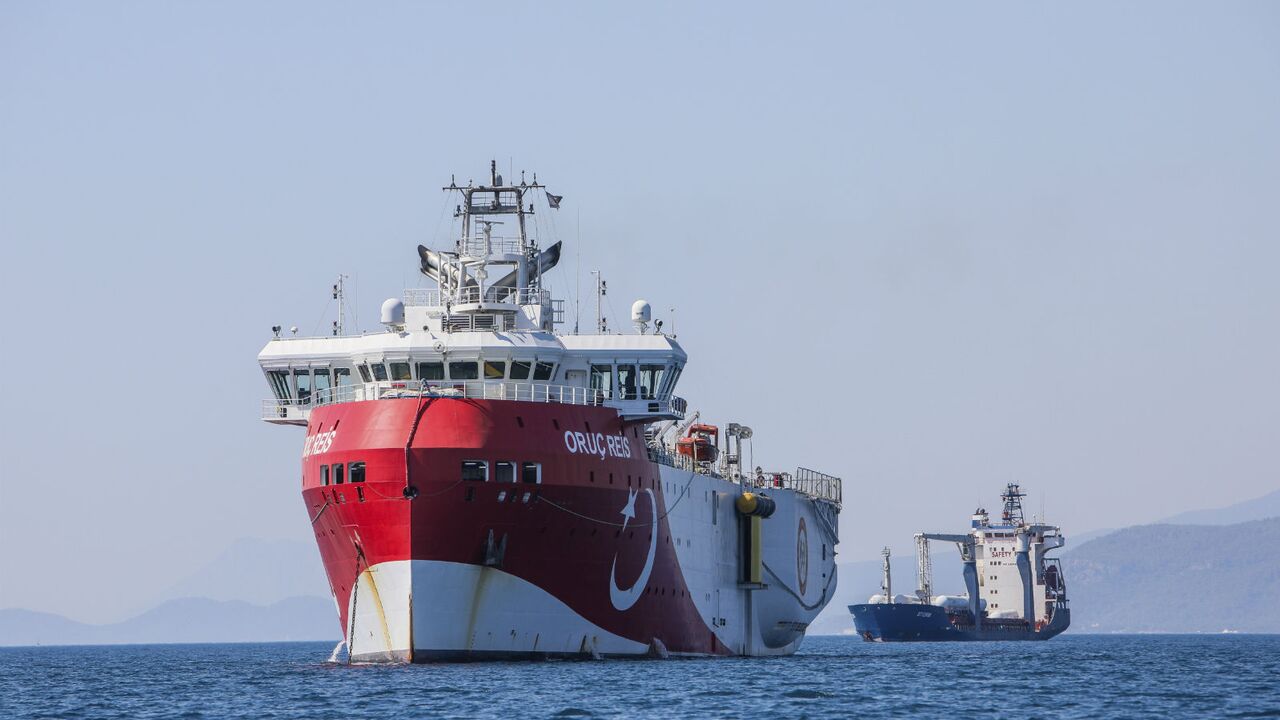
Amid the rapid escalation of tensions in the Middle East and growing risks to global energy infrastructure, Turkiye is demonstrating increased military and political activity while simultaneously strengthening coordination with key partners, including Russia.
Ankara is conducting large-scale naval exercises across three strategic maritime zones — the Black Sea, the Aegean Sea, and the Mediterranean — signaling its intention to reinforce control over critical sea routes. These maneuvers come against the backdrop of rising regional instability and threats to maritime security, including potential attacks on energy infrastructure. At the same time, diplomatic engagement is intensifying: a phone call between Vladimir Putin and Recep Tayyip Erdoghan reflects a shared need for coordination in an increasingly volatile geopolitical environment.
During the talks, the two leaders addressed several interconnected crises. A central focus was the escalation in the Persian Gulf, where strikes on Iran have sharply increased the risk of large-scale destabilization. Both sides emphasized the need for an immediate ceasefire and a shift toward political and diplomatic mechanisms for conflict resolution.
Special attention was also given to security in the Black Sea — a key region for both countries, where energy, trade, and military logistics intersect. The leaders stressed the importance of coordinated efforts amid threats to gas infrastructure and commercial shipping, directly affecting Russian-Turkish energy projects and the stability of export routes.
In addition, the agenda included the conflict in Ukraine and Türkiye’s mediating role. Moscow expressed appreciation for Ankara’s willingness to facilitate dialogue, reaffirming Turkiye’s position as one of the few actors maintaining communication channels with both sides.
The combination of military activity and diplomatic engagement highlights Türkiye’s attempt to position itself as a regional balancer. On the one hand, the demonstration of force through large-scale naval exercises allows Ankara to strengthen its presence in strategically important maritime zones and signal its readiness to defend national interests. On the other hand, active diplomacy with Russia and involvement in Middle Eastern affairs enhance its role as an independent power center capable of shaping the regional security landscape.
In a broader context, Türkiye’s actions reflect the emergence of a new regional political architecture, in which key actors seek not only to respond to crises but also to manage them. By balancing military demonstration and diplomacy, Ankara is effectively consolidating its status as a major mediator and power broker in the Eurasian space, particularly as traditional international security mechanisms continue to weaken.


 Latest news
Latest news
Latest newsGeorgia’s Constitutional Court Continues Case on Banning Opposition Parties: Political Pluralism at Stake
12.Oct.2026
Azerbaijan and Iran Step Up Security Contacts Amid Hijab Protests
12.Oct.2026
Personnel Shortages Complicate Ukrainian Forces’ Rotation: Ukraine Faces Long-Term Challenges on the Front Line
11.Oct.2026
Trump Eases Sanctions on Russian Fuel After Talks with Putin: Kyiv Fears Boost to Moscow’s War Revenues
10.Oct.2026
Putin Seeks to Strengthen Russia’s Influence in the Post-Soviet Space Through the CIS
10.Oct.2026
Russia and the South Caucasus: External Pressure, Political Competition and a Crisis of Trust
10.Oct.2026
Peaceful Settlement Between Armenia and Azerbaijan: Moving from Declarations to Implementation
10.Oct.2026
Moldova Ready to Accept as Many Ukrainians as Necessary if Situation Worsens This Winter
09.Oct.2026
Turkmenistan Turns Avaza into a Regional Diplomatic Hub as Caspian, Central Asian and CIS Agendas Converge
08.Oct.2026
Romania Scrambles Spanish F-18s After Aerial Targets Detected Near Ukrainian Border
07.Oct.2026
Berlin Deepens Defence Partnership with Kyiv: Germany to Provide Ukraine with €1 Billion in Military Aid
07.Oct.2026
European Parliament Against Georgian Dream: EU Prepares New Response to Tbilisi
06.Oct.2026
Bulgarian Foreign Minister to Discuss European Security and International Law in the Netherlands
05.Oct.2026
Rheinmetall in Bulgaria: Sofia Emerges as a New NATO Defence-Industrial Hub in the Balkans
05.Oct.2026
The Cost of a Long War: Moscow Expands Spending Plans Through 2029
05.Oct.2026