
 13 Oct 2026









Ukraine says Russian offensive thwarted as frontline situation improves
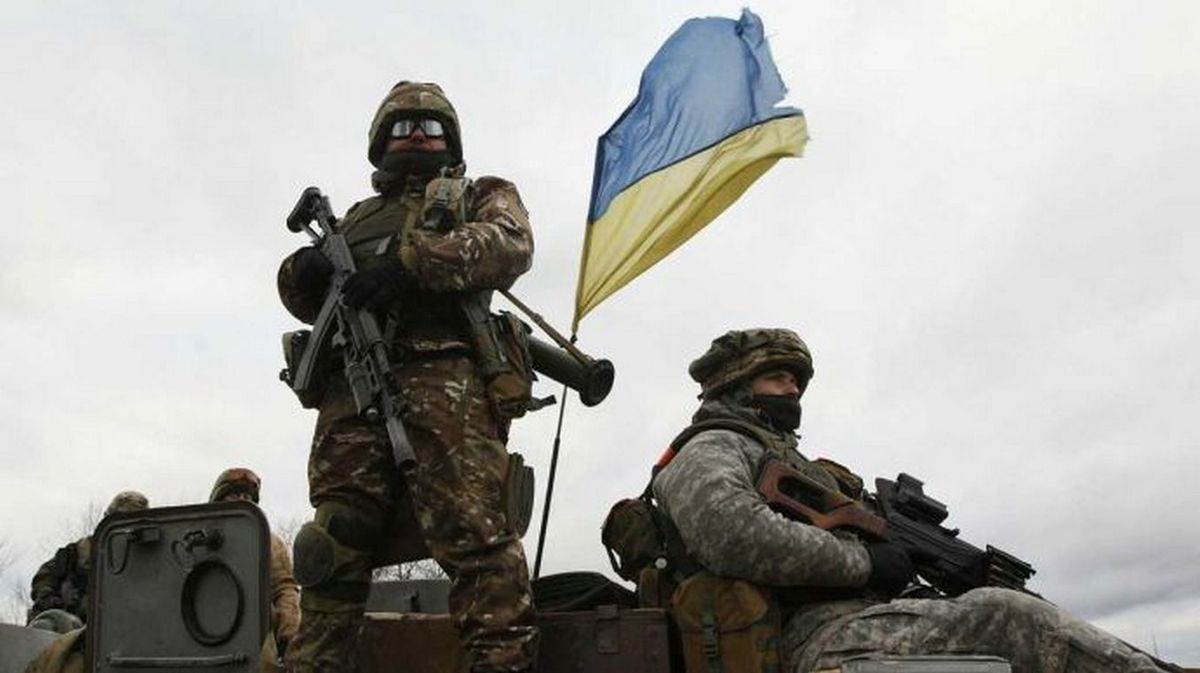
Ukrainian President Volodymyr Zelenskyy said the current situation along the frontline is the “best in the past ten months” for Kyiv, suggesting a temporary stabilization of fighting after a prolonged period of pressure from Russian forces. According to him, Ukrainian troops managed to disrupt a major Russian offensive that had reportedly been planned for March, and this became a key factor behind the improved situation on the battlefield.
At the same time, combat remains highly intense: the frontline, stretching over more than 1,200 kilometers, continues to be a zone of constant clashes, where Ukrainian forces maintain defensive positions while also carrying out localized counterattacks. Over the past day alone, around 230 combat engagements were recorded, according to Ukraine’s General Staff, underscoring the high level of escalation despite claims of the “best” situation.
Zelenskyy noted that overall Ukraine currently has a “small positive balance” in terms of territory — roughly 20 square kilometers of land regained, though without specifying the timeframe. Meanwhile, independent estimates indicate that the pace of Russian advances in 2026 has indeed slowed: since the beginning of the year, about 500 square kilometers have come under Russian control, significantly less than in the previous period.
At the same time, the Ukrainian side warns that it is too early to speak of a turning point. Russian forces continue to concentrate in strategically important areas, particularly near Pokrovsk in the Donetsk region and Huliaipole in the Zaporizhzhia region, both key logistical hubs. According to Kyiv, after the setback of the March offensive, Russia may intensify its attacks, in line with seasonal patterns, as fighting typically escalates in the spring.
The political context also remains complicated. Moscow continues to insist on the withdrawal of Ukrainian troops from the remaining Ukrainian-controlled parts of Donbas, while Kyiv firmly rejects such conditions. Against this backdrop, Zelenskyy is seeking to reinvigorate diplomatic efforts and has invited U.S. negotiators to Kyiv, proposing an alternative format for talks amid a broader deadlock in the peace process.
An additional factor of uncertainty is the international environment: the attention of the United States and its allies has partially shifted toward the crisis in the Middle East, potentially affecting the volume of military aid to Ukraine. Earlier, Kyiv said Russia responded to ceasefire initiatives with large-scale drone strikes involving hundreds of UAVs, highlighting the continued intensity of the conflict and the lack of readiness for compromise.
Analytically, statements about the “best situation” reflect more of an operational improvement than a strategic breakthrough. The stabilization of the frontline, the slowdown of Russian advances, and the successful repelling of certain offensives may point to increased effectiveness of Ukraine’s defense, including better coordination, intelligence, and the use of drone technologies. However, Russia’s continuing advantage in resources, manpower, and its ability to sustain pressure suggests that the current phase of the war remains positional and attritional, with no clear signs of a near-term resolution.


 Latest news
Latest news
Latest newsGeorgia’s Constitutional Court Continues Case on Banning Opposition Parties: Political Pluralism at Stake
12.Oct.2026
Azerbaijan and Iran Step Up Security Contacts Amid Hijab Protests
12.Oct.2026
Personnel Shortages Complicate Ukrainian Forces’ Rotation: Ukraine Faces Long-Term Challenges on the Front Line
11.Oct.2026
Trump Eases Sanctions on Russian Fuel After Talks with Putin: Kyiv Fears Boost to Moscow’s War Revenues
10.Oct.2026
Putin Seeks to Strengthen Russia’s Influence in the Post-Soviet Space Through the CIS
10.Oct.2026
Russia and the South Caucasus: External Pressure, Political Competition and a Crisis of Trust
10.Oct.2026
Peaceful Settlement Between Armenia and Azerbaijan: Moving from Declarations to Implementation
10.Oct.2026
Moldova Ready to Accept as Many Ukrainians as Necessary if Situation Worsens This Winter
09.Oct.2026
Turkmenistan Turns Avaza into a Regional Diplomatic Hub as Caspian, Central Asian and CIS Agendas Converge
08.Oct.2026
Romania Scrambles Spanish F-18s After Aerial Targets Detected Near Ukrainian Border
07.Oct.2026
Berlin Deepens Defence Partnership with Kyiv: Germany to Provide Ukraine with €1 Billion in Military Aid
07.Oct.2026
European Parliament Against Georgian Dream: EU Prepares New Response to Tbilisi
06.Oct.2026
Bulgarian Foreign Minister to Discuss European Security and International Law in the Netherlands
05.Oct.2026
Rheinmetall in Bulgaria: Sofia Emerges as a New NATO Defence-Industrial Hub in the Balkans
05.Oct.2026
The Cost of a Long War: Moscow Expands Spending Plans Through 2029
05.Oct.2026