
 13 Oct 2026









Ukraine Develops a “Low-Cost Shield”: New Air Defense System Could Change the Rules of Warfare by 2027
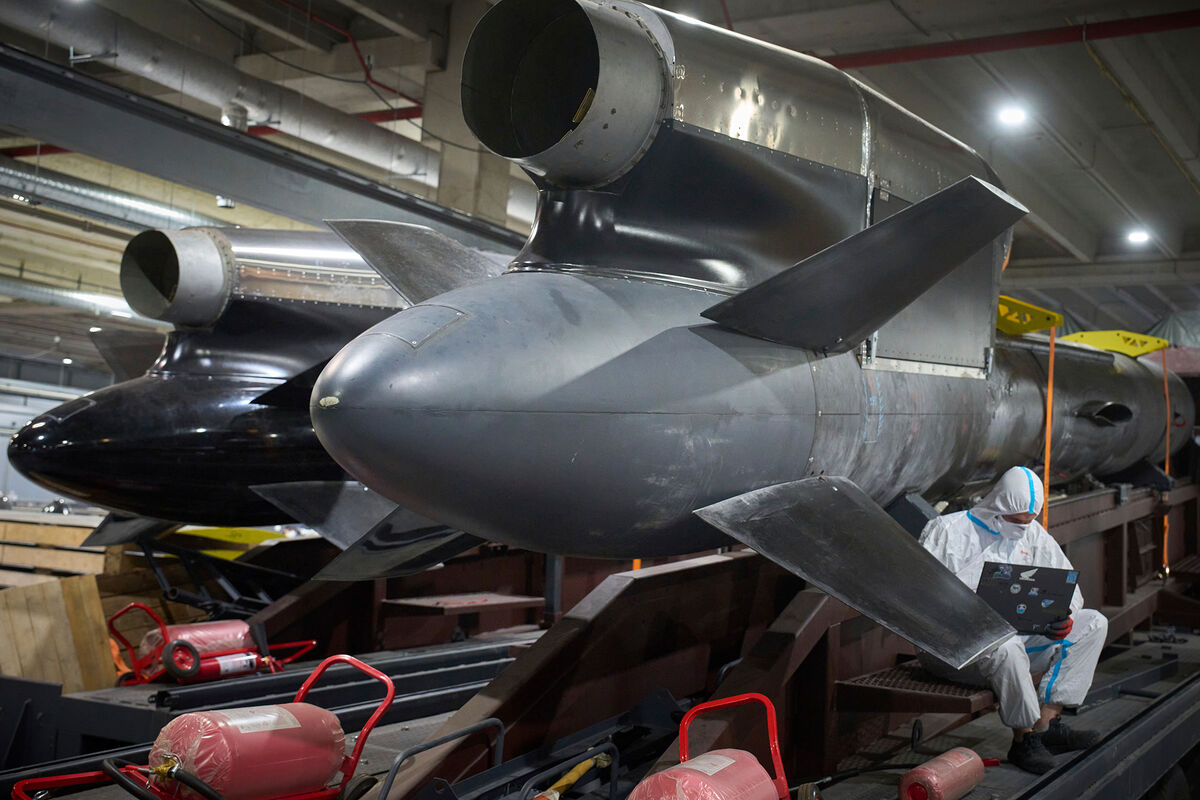
Ukrainian defense company Fire Point, known for developing the Flamingo cruise missile, has announced plans to create a fundamentally new air defense system by 2027 — one that could significantly reshape the market for ballistic missile interception and reduce the cost of such operations to unprecedented levels. According to the company’s leadership, the key objective is to bring the cost of a single interception below $1 million, several times cheaper than existing solutions.
This initiative is rooted in the practical experience Ukraine has gained during combat operations since 2022. Over this period, the country has effectively become a hub for the development of low-cost military technologies, particularly in the fields of drones and missile systems. Fire Point, founded after the start of the conflict, now produces hundreds of drones daily while simultaneously developing a range of missile systems, including advanced ballistic projects FP-7 and FP-9.
The new air defense system is positioned as a potential alternative to U.S.-made Patriot systems, which remain the primary means of intercepting ballistic targets for Ukraine and several Western countries. However, reliance on these systems is becoming increasingly problematic: intercepting a single target often requires launching two or even three missiles, each costing millions of dollars.
The situation is further complicated by a global shortage of such weapons. Due to multiple ongoing conflicts and rising tensions in the Middle East, a significant portion of air defense systems and munitions is being redirected to other regions, reducing availability for Ukraine and its allies. Against this backdrop, the development of cheaper and more scalable solutions is not just a technological project, but a strategic necessity.
The company is already in talks with European partners to develop key components of the future system, including radars, guidance, and communication systems. This points to the possible formation of an international consortium, reflecting a broader trend of cooperation in the defense sector, where individual countries are no longer able to independently cover all technological chains.
The project has also attracted attention due to its investment potential. Fire Point is seeking to raise around $760 million from a Middle Eastern investor, which would value the company at approximately $2.5 billion. These funds could be used not only for air defense development but also for more ambitious initiatives, including satellite launches and space technology programs.
Experts note that if the stated performance targets are achieved, this could transform the very economics of missile defense. Today, protection against ballistic threats remains extremely expensive and limited in scale, leaving even advanced nations vulnerable to mass attacks. The emergence of low-cost interception could enable the creation of layered defense systems with far greater density and resilience to saturation.
At the same time, significant risks remain. First, the project is still at an early stage and requires the complex integration of high-tech components. Second, exports and international cooperation in the defense sector are subject to strict government regulations, which could slow down implementation.
According to military analysts, Ukraine is gradually evolving from a recipient of military aid into an exporter of defense technologies. Amid rising global military spending and growing demand for air defense systems, such developments could secure a significant niche in the global market in the coming years.


 Latest news
Latest news
Latest newsGeorgia’s Constitutional Court Continues Case on Banning Opposition Parties: Political Pluralism at Stake
12.Oct.2026
Azerbaijan and Iran Step Up Security Contacts Amid Hijab Protests
12.Oct.2026
Personnel Shortages Complicate Ukrainian Forces’ Rotation: Ukraine Faces Long-Term Challenges on the Front Line
11.Oct.2026
Trump Eases Sanctions on Russian Fuel After Talks with Putin: Kyiv Fears Boost to Moscow’s War Revenues
10.Oct.2026
Putin Seeks to Strengthen Russia’s Influence in the Post-Soviet Space Through the CIS
10.Oct.2026
Russia and the South Caucasus: External Pressure, Political Competition and a Crisis of Trust
10.Oct.2026
Peaceful Settlement Between Armenia and Azerbaijan: Moving from Declarations to Implementation
10.Oct.2026
Moldova Ready to Accept as Many Ukrainians as Necessary if Situation Worsens This Winter
09.Oct.2026
Turkmenistan Turns Avaza into a Regional Diplomatic Hub as Caspian, Central Asian and CIS Agendas Converge
08.Oct.2026
Romania Scrambles Spanish F-18s After Aerial Targets Detected Near Ukrainian Border
07.Oct.2026
Berlin Deepens Defence Partnership with Kyiv: Germany to Provide Ukraine with €1 Billion in Military Aid
07.Oct.2026
European Parliament Against Georgian Dream: EU Prepares New Response to Tbilisi
06.Oct.2026
Bulgarian Foreign Minister to Discuss European Security and International Law in the Netherlands
05.Oct.2026
Rheinmetall in Bulgaria: Sofia Emerges as a New NATO Defence-Industrial Hub in the Balkans
05.Oct.2026
The Cost of a Long War: Moscow Expands Spending Plans Through 2029
05.Oct.2026