
 13 Oct 2026









Escalation Around Iran: The U.S. Increases Pressure
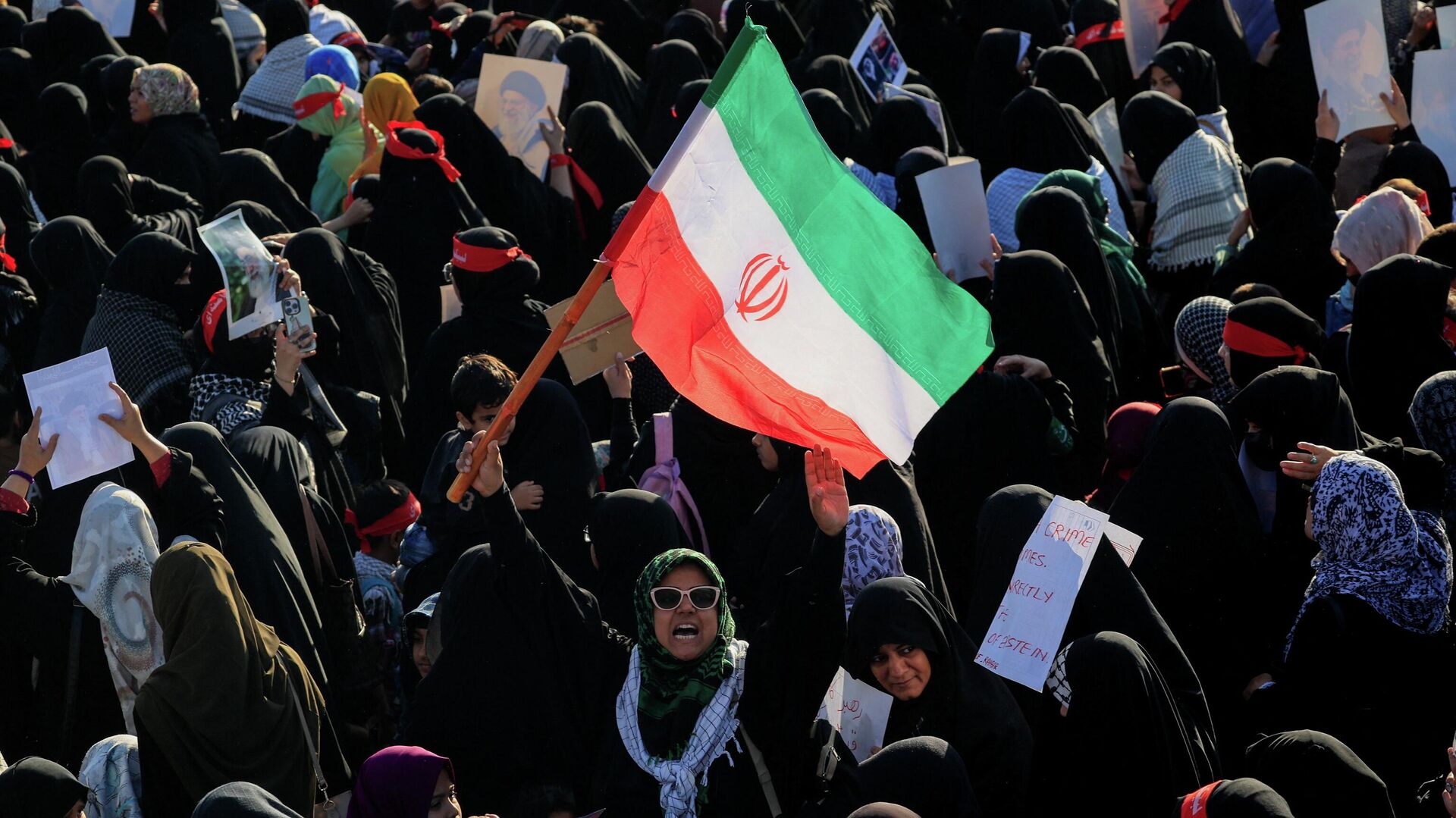
U.S. President Donald Trump delivered a sharp statement regarding the situation around Iran, warning of a possible “decisive night” that, according to him, could become a turning point not only for the region but for world history as a whole.
In a post on Truth Social, he said that “tonight an entire civilization could perish”, emphasizing that he does not want such an outcome but considers it likely. At the same time, Trump suggested that in the event of a “complete and total regime change” in Iran, “smarter and less radical forces” could come to power, potentially leading to “revolutionarily beautiful” changes.
This statement comes amid a rapid escalation of the conflict between Iran, Israel, and the United States, which in recent weeks has effectively developed into a large-scale military confrontation. The sides have already exchanged a series of strikes: Israel and the U.S. are targeting military and transport infrastructure inside Iran, while Tehran is responding with missile and drone attacks on Israeli targets and U.S. bases in the region. Reports indicate that the strikes are affecting not only military sites but also critical infrastructure, increasing the risk of a humanitarian crisis.
Additional tension stems from reports that Iran is considering strikes on energy infrastructure in the Persian Gulf states, a move that could significantly disrupt global oil supplies and trigger a sharp rise in energy prices. At the same time, increased activity of U.S. military assets has been observed, including the deployment of strategic aviation, indirectly pointing to preparations for further escalation.
Experts note that Trump’s rhetoric about the “death of a civilization” may serve both as a political signal of pressure and as a reflection of genuine concerns about a large-scale strike with unpredictable consequences. In a worst-case scenario, this could involve the collapse of Iran’s key state institutions, destabilization across the region, and the involvement of additional countries in the conflict. Meanwhile, statements about “regime change” are traditionally perceived in Tehran as a direct threat to the state’s existence, reducing the chances of a diplomatic resolution in the short term.


 Latest news
Latest news
Latest newsGeorgia’s Constitutional Court Continues Case on Banning Opposition Parties: Political Pluralism at Stake
12.Oct.2026
Azerbaijan and Iran Step Up Security Contacts Amid Hijab Protests
12.Oct.2026
Personnel Shortages Complicate Ukrainian Forces’ Rotation: Ukraine Faces Long-Term Challenges on the Front Line
11.Oct.2026
Trump Eases Sanctions on Russian Fuel After Talks with Putin: Kyiv Fears Boost to Moscow’s War Revenues
10.Oct.2026
Putin Seeks to Strengthen Russia’s Influence in the Post-Soviet Space Through the CIS
10.Oct.2026
Russia and the South Caucasus: External Pressure, Political Competition and a Crisis of Trust
10.Oct.2026
Peaceful Settlement Between Armenia and Azerbaijan: Moving from Declarations to Implementation
10.Oct.2026
Moldova Ready to Accept as Many Ukrainians as Necessary if Situation Worsens This Winter
09.Oct.2026
Turkmenistan Turns Avaza into a Regional Diplomatic Hub as Caspian, Central Asian and CIS Agendas Converge
08.Oct.2026
Romania Scrambles Spanish F-18s After Aerial Targets Detected Near Ukrainian Border
07.Oct.2026
Berlin Deepens Defence Partnership with Kyiv: Germany to Provide Ukraine with €1 Billion in Military Aid
07.Oct.2026
European Parliament Against Georgian Dream: EU Prepares New Response to Tbilisi
06.Oct.2026
Bulgarian Foreign Minister to Discuss European Security and International Law in the Netherlands
05.Oct.2026
Rheinmetall in Bulgaria: Sofia Emerges as a New NATO Defence-Industrial Hub in the Balkans
05.Oct.2026
The Cost of a Long War: Moscow Expands Spending Plans Through 2029
05.Oct.2026