
 13 Oct 2026









Repairs to the Druzhba Oil Pipeline Near Completion: Kyiv Seeks to Ease Tensions within the EU
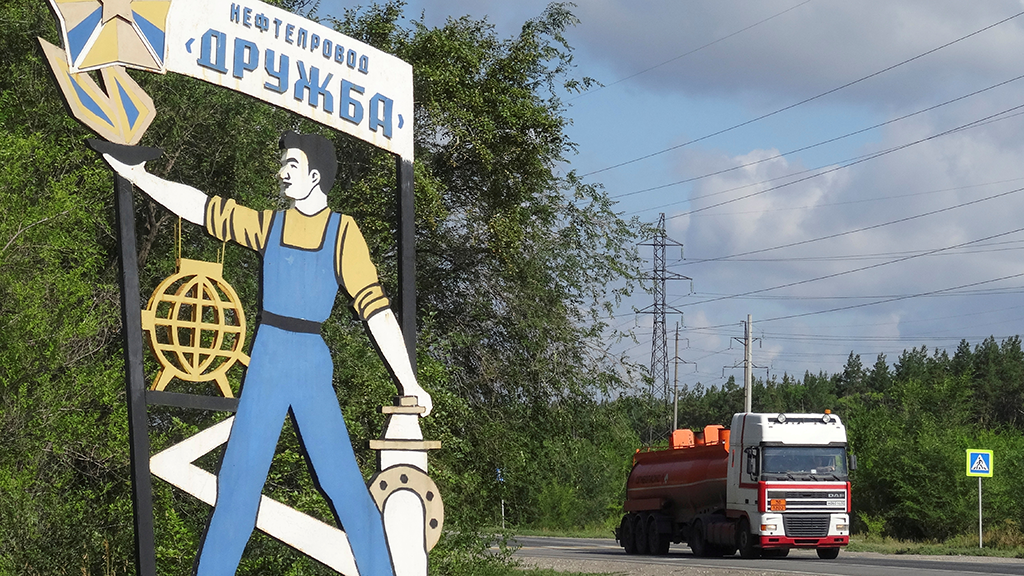
Ukraine
intends to complete repairs to the Druzhba oil pipeline this spring, which
could become an important factor both for the regional energy market and for
political relations within Europe. This was stated by President Volodymyr
Zelenskyy, who emphasized that restoration work is progressing despite
difficult conditions and the consequences of infrastructure damage.
According to the Ukrainian side, a significant portion of
the work has already been completed; however, the process is complicated by the
fact that some facilities — particularly storage tanks — sustained serious
damage and cannot be restored quickly. The pipeline was damaged at the end of January
as a result of a strike that Kyiv attributes to Russia, after which supplies of
Russian oil to Hungary and Slovakia were effectively halted.
The situation around Druzhba quickly went beyond a
technical issue, turning into a serious political and economic dispute.
Budapest and Bratislava, which remain among the few EU countries continuing to
receive Russian oil, accused Kyiv of delaying repairs, while Ukraine rejects
these claims and points to objective reasons for the delays, including the
threat of new attacks and the complexity of restoring infrastructure.
Against this backdrop, Hungary linked the issue of
restoring transit to blocking a major EU financial aid package for Ukraine,
estimated at around €90 billion. Thus, the energy incident has become part of a
broader political confrontation, where energy security intertwines with issues
of war financing and European solidarity.
The Druzhba pipeline itself remains a key artery for oil
supplies to Central Europe — one of the largest systems in the world connecting
Russian oil fields with European markets. Its shutdown demonstrated the
continued dependence of certain EU countries on Russian energy resources,
despite efforts toward diversification.
Kyiv’s statements about completing repairs
in the spring can be seen as an attempt to reduce tensions while maintaining
control over the situation: on the one hand, to demonstrate readiness to
fulfill transit obligations, and on the other, not to yield to political
pressure. At the same time, even after the infrastructure is restored, an open
question remains: will the resumption of supplies lead to stabilization, or
merely a temporary pause in a deeper energy and political conflict between
Ukraine, certain EU countries, and Russia.


 Latest news
Latest news
Latest newsGeorgia’s Constitutional Court Continues Case on Banning Opposition Parties: Political Pluralism at Stake
12.Oct.2026
Azerbaijan and Iran Step Up Security Contacts Amid Hijab Protests
12.Oct.2026
Personnel Shortages Complicate Ukrainian Forces’ Rotation: Ukraine Faces Long-Term Challenges on the Front Line
11.Oct.2026
Trump Eases Sanctions on Russian Fuel After Talks with Putin: Kyiv Fears Boost to Moscow’s War Revenues
10.Oct.2026
Putin Seeks to Strengthen Russia’s Influence in the Post-Soviet Space Through the CIS
10.Oct.2026
Russia and the South Caucasus: External Pressure, Political Competition and a Crisis of Trust
10.Oct.2026
Peaceful Settlement Between Armenia and Azerbaijan: Moving from Declarations to Implementation
10.Oct.2026
Moldova Ready to Accept as Many Ukrainians as Necessary if Situation Worsens This Winter
09.Oct.2026
Turkmenistan Turns Avaza into a Regional Diplomatic Hub as Caspian, Central Asian and CIS Agendas Converge
08.Oct.2026
Romania Scrambles Spanish F-18s After Aerial Targets Detected Near Ukrainian Border
07.Oct.2026
Berlin Deepens Defence Partnership with Kyiv: Germany to Provide Ukraine with €1 Billion in Military Aid
07.Oct.2026
European Parliament Against Georgian Dream: EU Prepares New Response to Tbilisi
06.Oct.2026
Bulgarian Foreign Minister to Discuss European Security and International Law in the Netherlands
05.Oct.2026
Rheinmetall in Bulgaria: Sofia Emerges as a New NATO Defence-Industrial Hub in the Balkans
05.Oct.2026
The Cost of a Long War: Moscow Expands Spending Plans Through 2029
05.Oct.2026