
 13 Oct 2026









War Transforms Iran: Power Shifts from Clerics to Security Forces
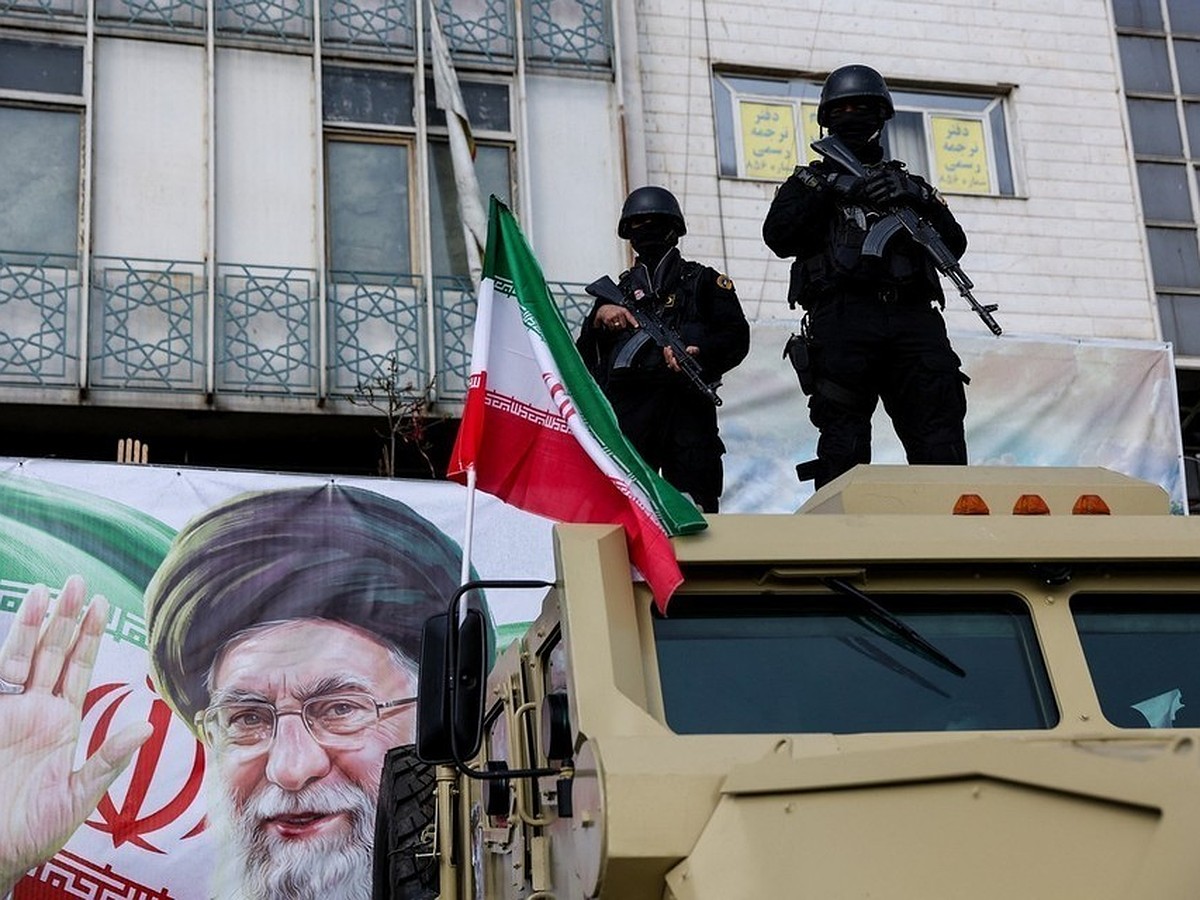
In Iran, amid the ongoing military conflict with the United States and Israel, a profound transformation of the political system is underway: real power is rapidly shifting from the religious leadership to military structures, primarily the Islamic Revolutionary Guard Corps (IRGC). In wartime conditions, security elites have become the central decision-makers, while formal institutions, including the position of the Supreme Leader, are increasingly playing a symbolic role.
The situation largely stems from the events of late February 2026, when Supreme Leader Ali Khamenei was reportedly killed in an airstrike, along with a significant portion of the country’s top military and political leadership. His successor, Mojtaba Khamenei, was appointed during wartime; however, according to sources, he sustained serious injuries and has been unable to fully govern the country, further strengthening the influence of security forces.
Against this backdrop, a new model of governance has effectively taken shape: key decisions are made not by the religious establishment but by a narrow circle of IRGC officials and security bodies, including the Supreme National Security Council. Analysts suggest that Iran is transitioning from a theocratic system to a form of military-dominated rule, where the priority is no longer ideological legitimacy but control and regime survival under wartime conditions.
This redistribution of power is already affecting Iran’s foreign policy. Negotiations with the United States have effectively reached a deadlock: neither side appears willing to compromise, and any concessions within Iran’s political system are viewed as a sign of weakness. As a result, diplomatic space is shrinking, and Tehran’s course is becoming more rigid and confrontational.
At the same time, internal repression is intensifying. The military leadership is focused on maintaining control within the country amid a worsening economic situation and the growing risk of mass protests. According to various sources, the war has already dealt a serious blow to Iran’s economy, including job losses and rising social tensions.
Experts note that these developments could have long-term consequences not only for Iran but for the entire region. The growing influence of the IRGC reduces flexibility in foreign policy and increases the likelihood of further escalation. At the same time, even a potential change in formal leadership in the near future is unlikely to alter the country’s trajectory, as the real center of power has already shifted toward military structures.
Thus, Iran is entering a new phase of its political development: a country long governed by a religious elite is, under the pressures of war, effectively transforming into a state dominated by the military — making its behavior less predictable and more hardline both domestically and on the international stage.
CCBS Expert Group


 Latest news
Latest news
Latest newsGeorgia’s Constitutional Court Continues Case on Banning Opposition Parties: Political Pluralism at Stake
12.Oct.2026
Azerbaijan and Iran Step Up Security Contacts Amid Hijab Protests
12.Oct.2026
Personnel Shortages Complicate Ukrainian Forces’ Rotation: Ukraine Faces Long-Term Challenges on the Front Line
11.Oct.2026
Trump Eases Sanctions on Russian Fuel After Talks with Putin: Kyiv Fears Boost to Moscow’s War Revenues
10.Oct.2026
Putin Seeks to Strengthen Russia’s Influence in the Post-Soviet Space Through the CIS
10.Oct.2026
Russia and the South Caucasus: External Pressure, Political Competition and a Crisis of Trust
10.Oct.2026
Peaceful Settlement Between Armenia and Azerbaijan: Moving from Declarations to Implementation
10.Oct.2026
Moldova Ready to Accept as Many Ukrainians as Necessary if Situation Worsens This Winter
09.Oct.2026
Turkmenistan Turns Avaza into a Regional Diplomatic Hub as Caspian, Central Asian and CIS Agendas Converge
08.Oct.2026
Romania Scrambles Spanish F-18s After Aerial Targets Detected Near Ukrainian Border
07.Oct.2026
Berlin Deepens Defence Partnership with Kyiv: Germany to Provide Ukraine with €1 Billion in Military Aid
07.Oct.2026
European Parliament Against Georgian Dream: EU Prepares New Response to Tbilisi
06.Oct.2026
Bulgarian Foreign Minister to Discuss European Security and International Law in the Netherlands
05.Oct.2026
Rheinmetall in Bulgaria: Sofia Emerges as a New NATO Defence-Industrial Hub in the Balkans
05.Oct.2026
The Cost of a Long War: Moscow Expands Spending Plans Through 2029
05.Oct.2026