
 13 Oct 2026









Shadows of Drones Over Moscow: Threats Around May 9 Increase the Risk of Escalation
Statements
by Ukrainian President Volodymyr Zelenskyy about the possibility of strikes on
Moscow in the days surrounding the military parade reflect a noticeable rise in
tensions and highlight how far the conflict has extended beyond the front
lines. The Ukrainian leader has outlined scenarios involving the use of drones,
emphasizing both the symbolic importance of the date and the potential targets.
Such rhetoric points to an evolution in Kyiv’s strategy,
which is increasingly relying on asymmetric means of pressure. Over the past
year, Ukraine has significantly expanded its long-range drone capabilities,
enabling strikes on targets far from the front. Moscow and surrounding regions
have already been targeted multiple times; despite Russian authorities’ claims
of successful interceptions, these incidents suggest growing vulnerability even
in deep rear areas.
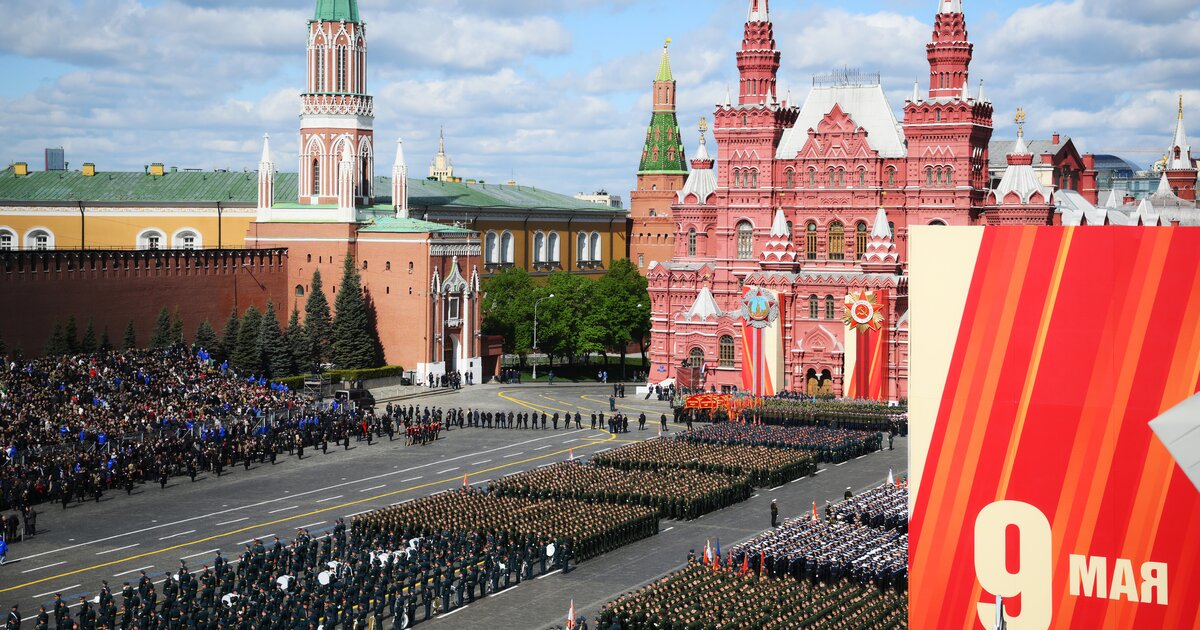
The timing also appears deliberate. The May 9 parade on Red
Square remains a central element of Russia’s state symbolism, where military
power is intertwined with the historical memory of World War II. A potential
security threat on such a day carries not only military but also political
implications, calling into question the state’s ability to ensure security
during one of its most significant public displays of strength.
Russia’s response has been swift: officials warned of
“serious consequences” in the event of attacks and signaled readiness for
retaliatory measures. At the same time, Moscow had previously announced plans
for a temporary ceasefire during the celebrations — a contrast that underscores
the contradictory nature of recent diplomatic messaging from both sides.
Analysts note that such statements should
be viewed not only as direct military threats but also as part of a broader
information and psychological strategy. For Kyiv, this serves as a way to
demonstrate its ability to bring the war onto the opponent’s territory and to
maintain Western allies’ attention to the need for continued support. For
Moscow, it provides grounds to strengthen internal mobilization and reinforce
the narrative of an external threat.
At the same time, the
risk of escalation remains significant. Even a limited incident in the capital
region — especially during large public events — could trigger a
disproportionately harsh response. In a context where direct communication
channels between the sides remain limited, such episodes increase the
likelihood of rapid and difficult-to-control escalation. More broadly, the
situation illustrates the transformation of the war itself, where symbolic
dates, major cities, and the information space are becoming arenas of
confrontation no less important than the traditional battlefield.


 Latest news
Latest news
Latest newsGeorgia’s Constitutional Court Continues Case on Banning Opposition Parties: Political Pluralism at Stake
12.Oct.2026
Azerbaijan and Iran Step Up Security Contacts Amid Hijab Protests
12.Oct.2026
Personnel Shortages Complicate Ukrainian Forces’ Rotation: Ukraine Faces Long-Term Challenges on the Front Line
11.Oct.2026
Trump Eases Sanctions on Russian Fuel After Talks with Putin: Kyiv Fears Boost to Moscow’s War Revenues
10.Oct.2026
Putin Seeks to Strengthen Russia’s Influence in the Post-Soviet Space Through the CIS
10.Oct.2026
Russia and the South Caucasus: External Pressure, Political Competition and a Crisis of Trust
10.Oct.2026
Peaceful Settlement Between Armenia and Azerbaijan: Moving from Declarations to Implementation
10.Oct.2026
Moldova Ready to Accept as Many Ukrainians as Necessary if Situation Worsens This Winter
09.Oct.2026
Turkmenistan Turns Avaza into a Regional Diplomatic Hub as Caspian, Central Asian and CIS Agendas Converge
08.Oct.2026
Romania Scrambles Spanish F-18s After Aerial Targets Detected Near Ukrainian Border
07.Oct.2026
Berlin Deepens Defence Partnership with Kyiv: Germany to Provide Ukraine with €1 Billion in Military Aid
07.Oct.2026
European Parliament Against Georgian Dream: EU Prepares New Response to Tbilisi
06.Oct.2026
Bulgarian Foreign Minister to Discuss European Security and International Law in the Netherlands
05.Oct.2026
Rheinmetall in Bulgaria: Sofia Emerges as a New NATO Defence-Industrial Hub in the Balkans
05.Oct.2026
The Cost of a Long War: Moscow Expands Spending Plans Through 2029
05.Oct.2026