
 13 Oct 2026









Less Equipment, More Signals: The Scaled-Down 2026 Victory Parade
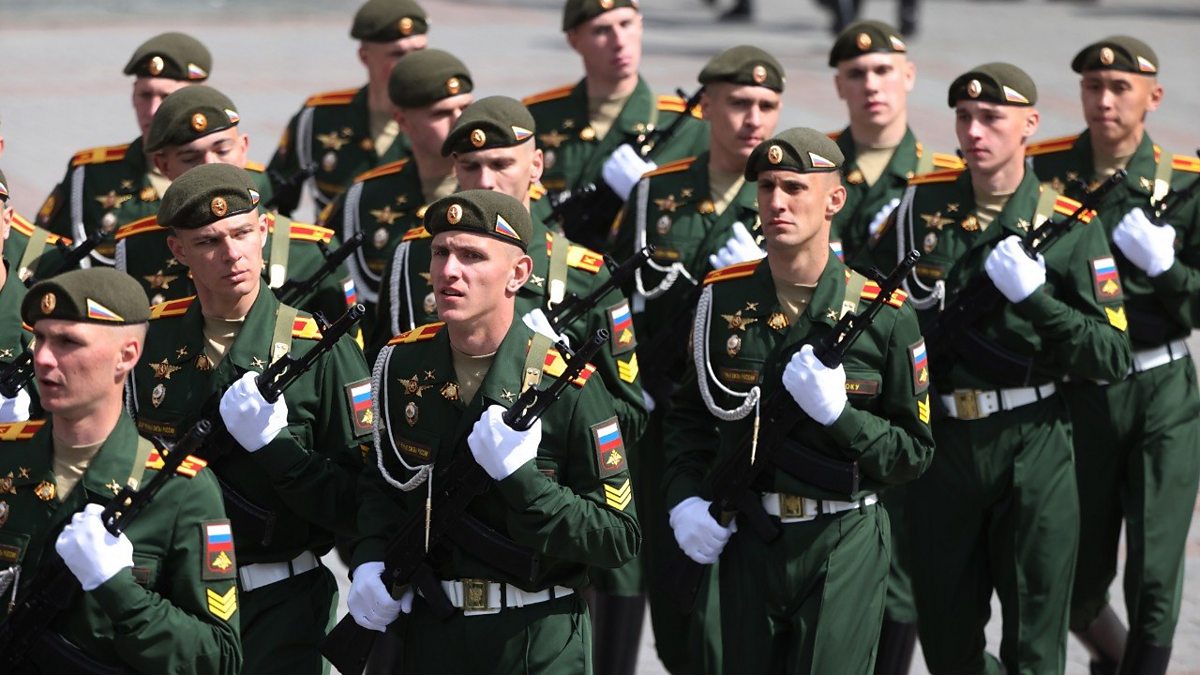
In
Moscow, the Victory Day parade took place, but unlike previous years, it was
noticeably scaled down: there was less military equipment, fewer troops, and a
limited number of spectators. Red Square traditionally serves not only as a
commemoration of history but also as a demonstration of state power. This year,
the parade became an indicator of Russia’s current domestic and international
situation.
The scaled-down parade sent a clear signal to the
international community: Russia is displaying its military presence, but
without the previous grandeur, which may reflect constraints related to
sanctions, international isolation, and the consequences of the war. From a
foreign policy perspective, the parade demonstrated a combination of strength
and caution — the state seeks to maintain the image of a powerful player while
avoiding new sanctions or escalation from the West.
Thus, the 2026 Victory Parade transformed from a
traditional show of force into a complex political and diplomatic signal,
reflecting both internal challenges and strategic calculations on the
international stage.
Analysts note that the reduced scale of
the parade reflects domestic challenges: economic difficulties, inflation, and
personnel shortages in the armed forces engaged in the war in Ukraine. Limiting
the public display of military power allows the authorities to manage public
perception and minimize potential dissatisfaction. Despite the traditional
rhetoric about the “heroism of the people”, the parade has become a cautious
signal from the government about the need to carefully control public opinion.
Experts suggest that Russia will continue careful displays of strength and symbolic public events while focusing on domestic stability. Further centralization of control over the information space is likely to be used to limit critical sentiment. International pressure and the ongoing conflict in Ukraine will probably continue to shape the country’s policy in the coming months. Parades and public events will serve not only for patriotic education but also as indicators of the country’s internal state for the outside world.


 Latest news
Latest news
Latest newsGeorgia’s Constitutional Court Continues Case on Banning Opposition Parties: Political Pluralism at Stake
12.Oct.2026
Azerbaijan and Iran Step Up Security Contacts Amid Hijab Protests
12.Oct.2026
Personnel Shortages Complicate Ukrainian Forces’ Rotation: Ukraine Faces Long-Term Challenges on the Front Line
11.Oct.2026
Trump Eases Sanctions on Russian Fuel After Talks with Putin: Kyiv Fears Boost to Moscow’s War Revenues
10.Oct.2026
Putin Seeks to Strengthen Russia’s Influence in the Post-Soviet Space Through the CIS
10.Oct.2026
Russia and the South Caucasus: External Pressure, Political Competition and a Crisis of Trust
10.Oct.2026
Peaceful Settlement Between Armenia and Azerbaijan: Moving from Declarations to Implementation
10.Oct.2026
Moldova Ready to Accept as Many Ukrainians as Necessary if Situation Worsens This Winter
09.Oct.2026
Turkmenistan Turns Avaza into a Regional Diplomatic Hub as Caspian, Central Asian and CIS Agendas Converge
08.Oct.2026
Romania Scrambles Spanish F-18s After Aerial Targets Detected Near Ukrainian Border
07.Oct.2026
Berlin Deepens Defence Partnership with Kyiv: Germany to Provide Ukraine with €1 Billion in Military Aid
07.Oct.2026
European Parliament Against Georgian Dream: EU Prepares New Response to Tbilisi
06.Oct.2026
Bulgarian Foreign Minister to Discuss European Security and International Law in the Netherlands
05.Oct.2026
Rheinmetall in Bulgaria: Sofia Emerges as a New NATO Defence-Industrial Hub in the Balkans
05.Oct.2026
The Cost of a Long War: Moscow Expands Spending Plans Through 2029
05.Oct.2026