
 13 Oct 2026









Turkiye Prepares to Launch Direct Trade with Armenia Amid Normalization Process
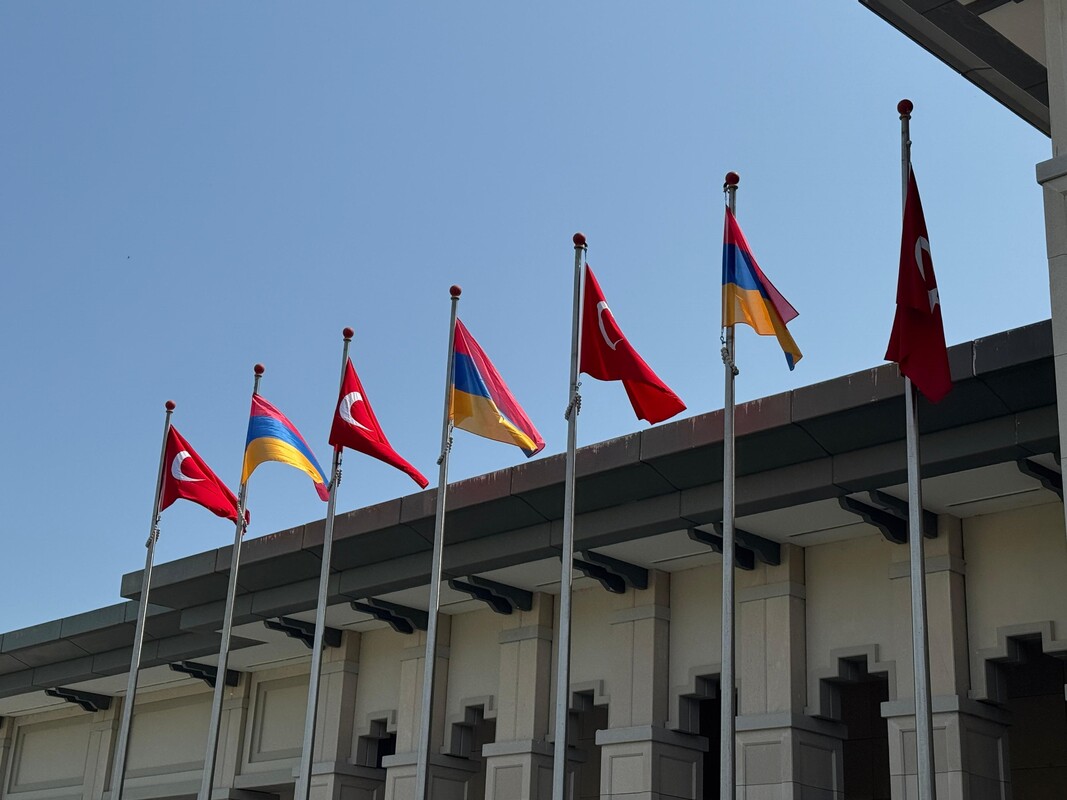
Turkiye has completed
preparations for the launch of direct trade with Armenia as part of the ongoing
normalization process between the two countries. According to Turkish and
Armenian sources, Ankara and Yerevan continue technical and diplomatic
consultations related to the opening of land transport links and the
simplification of trade mechanisms.
This
marks an important stage in the rapprochement process between the two states,
which have not had diplomatic relations since 1993. The border between Turkiye
and Armenia has remained closed for more than three decades following the
Karabakh conflict. However, since 2022, the two sides have been engaged in
negotiations aimed at gradually normalizing relations. One of the key areas of
discussion has been the restoration of transport and trade ties.
According
to Turkish diplomatic sources, Turkiye has already completed a significant part
of the bureaucratic preparations necessary for the launch of direct trade.
Previously, a considerable portion of Turkish goods entered Armenia through
Georgia via re-export schemes, which increased both costs and delivery times.
The new system will allow trade to be carried out directly without
intermediaries.
Particular
attention is being paid to the opening of the Alican–Margara border crossing,
which is viewed as one of the key elements of future transport connections
between the two countries. In addition, the sides are discussing the
restoration of railway links and the opening of the border for third-country
nationals and holders of diplomatic passports.
Experts note that the normalization of
Armenian-Turkish relations is closely linked to changes in regional
geopolitics. Amid the transformation of Eurasian transport routes, instability
in the Middle East, and the weakening of Russian influence in the South
Caucasus, Ankara seeks to strengthen its role as a regional logistics and
economic hub. For Armenia, the opening of the Turkish border could mean reduced
dependence on existing routes through Georgia and Iran.
According to analysts, the launch of direct trade could significantly increase trade turnover between the two countries. Even now, Turkiye is among Armenia’s largest trading partners despite the absence of an officially open border. Economists also point out that the expansion of transport links could become one of the factors contributing to the long-term stabilization of the South Caucasus region.


 Latest news
Latest news
Latest newsGeorgia’s Constitutional Court Continues Case on Banning Opposition Parties: Political Pluralism at Stake
12.Oct.2026
Azerbaijan and Iran Step Up Security Contacts Amid Hijab Protests
12.Oct.2026
Personnel Shortages Complicate Ukrainian Forces’ Rotation: Ukraine Faces Long-Term Challenges on the Front Line
11.Oct.2026
Trump Eases Sanctions on Russian Fuel After Talks with Putin: Kyiv Fears Boost to Moscow’s War Revenues
10.Oct.2026
Putin Seeks to Strengthen Russia’s Influence in the Post-Soviet Space Through the CIS
10.Oct.2026
Russia and the South Caucasus: External Pressure, Political Competition and a Crisis of Trust
10.Oct.2026
Peaceful Settlement Between Armenia and Azerbaijan: Moving from Declarations to Implementation
10.Oct.2026
Moldova Ready to Accept as Many Ukrainians as Necessary if Situation Worsens This Winter
09.Oct.2026
Turkmenistan Turns Avaza into a Regional Diplomatic Hub as Caspian, Central Asian and CIS Agendas Converge
08.Oct.2026
Romania Scrambles Spanish F-18s After Aerial Targets Detected Near Ukrainian Border
07.Oct.2026
Berlin Deepens Defence Partnership with Kyiv: Germany to Provide Ukraine with €1 Billion in Military Aid
07.Oct.2026
European Parliament Against Georgian Dream: EU Prepares New Response to Tbilisi
06.Oct.2026
Bulgarian Foreign Minister to Discuss European Security and International Law in the Netherlands
05.Oct.2026
Rheinmetall in Bulgaria: Sofia Emerges as a New NATO Defence-Industrial Hub in the Balkans
05.Oct.2026
The Cost of a Long War: Moscow Expands Spending Plans Through 2029
05.Oct.2026