
 13 Oct 2026









Tbilisi on the Eve of May 26: Independence Day Turns Into a Day of Political Struggle
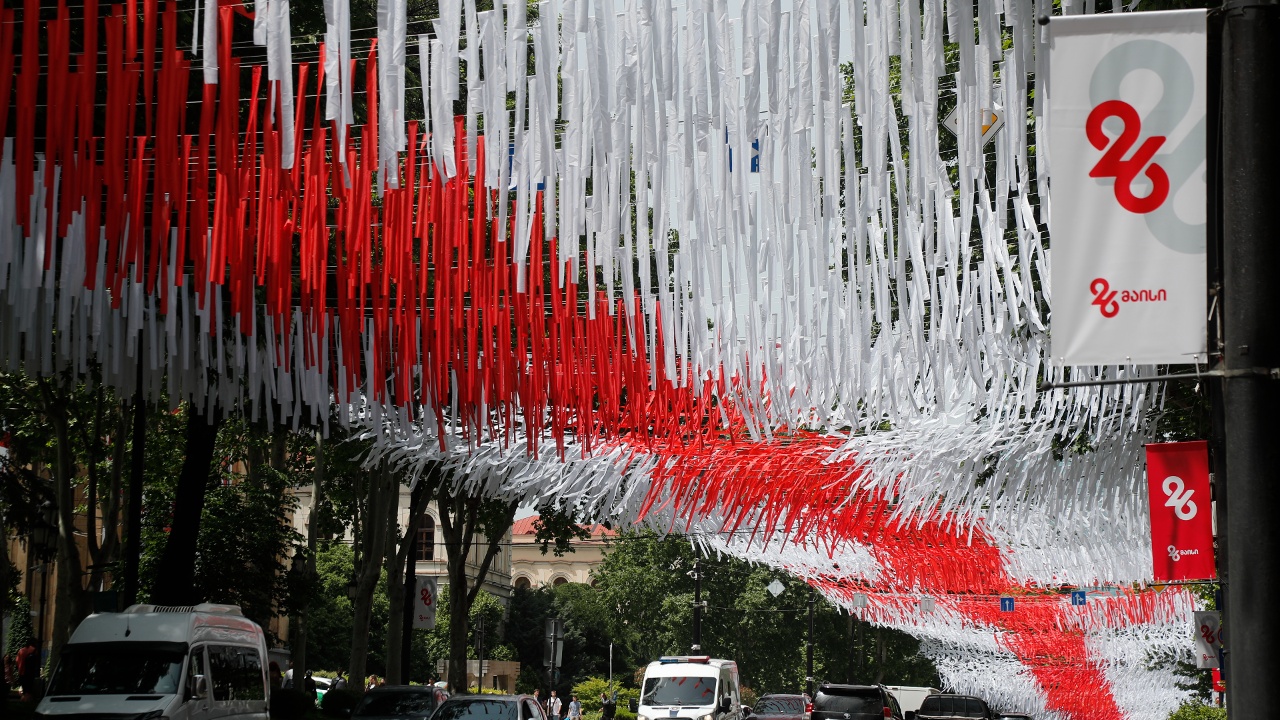
As Georgia approaches Independence Day, the political atmosphere in the country has sharply intensified once again. The authorities and the opposition appear to be on the verge of a new serious confrontation, while Tbilisi’s central avenue is already becoming the main symbol of the struggle for the country’s future.
The trigger for the conflict was a large-scale opposition rally planned for May 26 near the parliament building. Tbilisi City Hall refused to approve the installation of a stage, sound equipment, and the closure of Rustaveli Avenue, citing official celebrations and security concerns. Georgia’s Interior Ministry also stated that the application for the rally had been submitted in violation of established procedures.
However, opposition forces are not backing down. Representatives of the “Opposition Alliance” declared that the protest will still take place, accusing the authorities of trying to artificially limit the scale of the demonstration. According to opposition leaders, May 26 should become “a day to defend Georgia’s European future”.
At first glance, the dispute may appear technical — the authorities refused to authorize a rally in the city center on a national holiday. In reality, however, the conflict runs much deeper. Georgia is now witnessing a political struggle over the country’s foreign policy direction and its future model of development.
Following the parliamentary elections and the sharp cooling of relations with the European Union, Georgian society has become increasingly divided. The pro-Western segment of the population accuses the ruling Georgian Dream party of drifting away from European integration and gradually moving closer to Russia. In response, the authorities claim that the opposition is attempting to destabilize the country and drag it into constant political turmoil.
This is precisely why May 26 carries special significance. For the government, Independence Day is an opportunity to demonstrate stability, state control, and national unity. For the opposition, it is a chance to bring thousands of supporters into the streets and show that a significant part of society demands a return to a stronger pro-European course.
International factors are also adding to the tension. Developments in Georgia are being closely monitored in Brussels and Washington, where concerns about the country’s political situation have repeatedly been expressed. Possible clashes between protesters and police on Independence Day could seriously damage Tbilisi’s relations with its Western partners.
At the same time, the authorities appear to be relying on public fatigue from years of political confrontation. The ruling party is trying to portray itself as the guarantor of stability while depicting the opposition as a source of chaos and street pressure. This approach remains effective for part of the conservative electorate, especially outside the capital.
Experts note that Georgia’s political system is becoming increasingly polarized. Compromise between the two opposing camps is becoming nearly impossible, while every new protest turns into a test of the state’s resilience. The events of May 26 could become one of the most significant political moments of the year for Georgia. If the demonstrations remain peaceful, the authorities will likely present it as proof that they have maintained control over the situation. However, any clashes or heavy-handed police actions could trigger a new wave of political crisis and deepen divisions within Georgian society even further.


 Latest news
Latest news
Latest newsGeorgia’s Constitutional Court Continues Case on Banning Opposition Parties: Political Pluralism at Stake
12.Oct.2026
Azerbaijan and Iran Step Up Security Contacts Amid Hijab Protests
12.Oct.2026
Personnel Shortages Complicate Ukrainian Forces’ Rotation: Ukraine Faces Long-Term Challenges on the Front Line
11.Oct.2026
Trump Eases Sanctions on Russian Fuel After Talks with Putin: Kyiv Fears Boost to Moscow’s War Revenues
10.Oct.2026
Putin Seeks to Strengthen Russia’s Influence in the Post-Soviet Space Through the CIS
10.Oct.2026
Russia and the South Caucasus: External Pressure, Political Competition and a Crisis of Trust
10.Oct.2026
Peaceful Settlement Between Armenia and Azerbaijan: Moving from Declarations to Implementation
10.Oct.2026
Moldova Ready to Accept as Many Ukrainians as Necessary if Situation Worsens This Winter
09.Oct.2026
Turkmenistan Turns Avaza into a Regional Diplomatic Hub as Caspian, Central Asian and CIS Agendas Converge
08.Oct.2026
Romania Scrambles Spanish F-18s After Aerial Targets Detected Near Ukrainian Border
07.Oct.2026
Berlin Deepens Defence Partnership with Kyiv: Germany to Provide Ukraine with €1 Billion in Military Aid
07.Oct.2026
European Parliament Against Georgian Dream: EU Prepares New Response to Tbilisi
06.Oct.2026
Bulgarian Foreign Minister to Discuss European Security and International Law in the Netherlands
05.Oct.2026
Rheinmetall in Bulgaria: Sofia Emerges as a New NATO Defence-Industrial Hub in the Balkans
05.Oct.2026
The Cost of a Long War: Moscow Expands Spending Plans Through 2029
05.Oct.2026