
 13 Oct 2026









Drone Over NATO Territory: Strike on Residential Building in Romania Signals Dangerous Expansion of the War
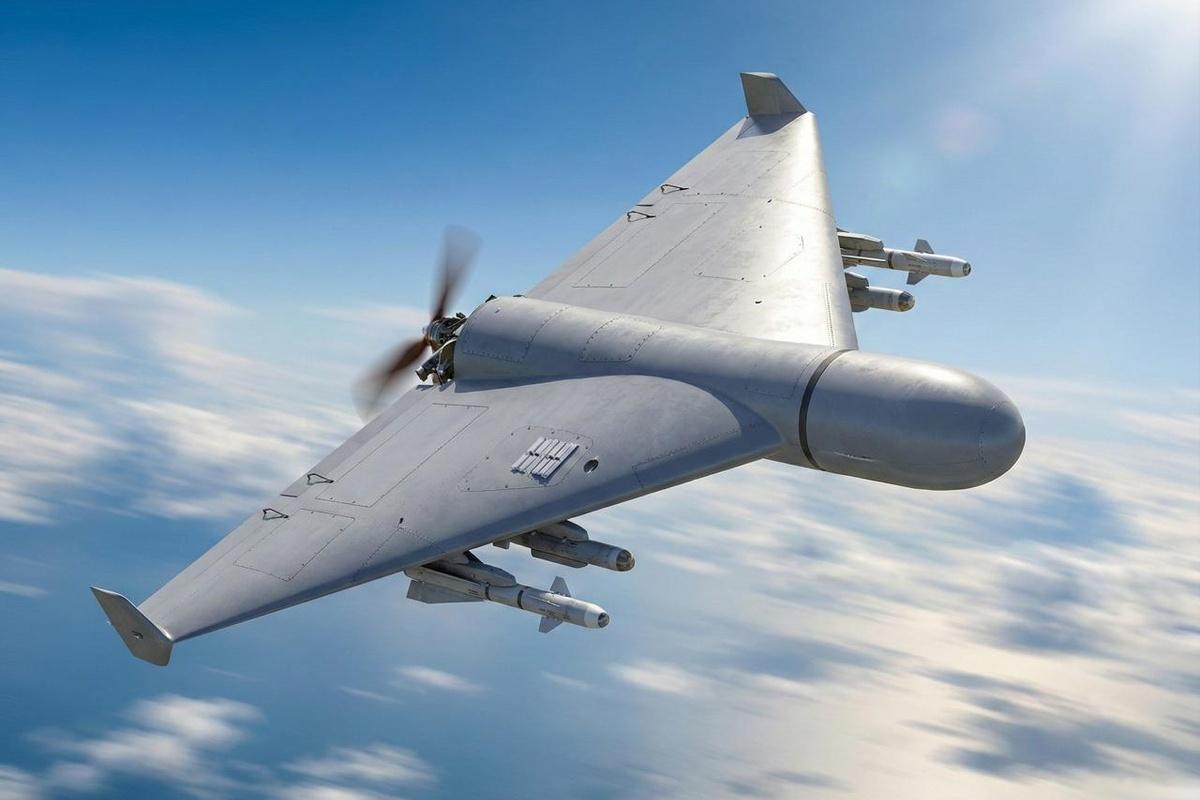
During the night of May 29, a Russian drone crashed into a ten-story residential building in the Romanian city of Galați, located near the Ukrainian border. As a result of the incident, a woman and a child were injured, dozens of residents were evacuated, and part of the building was damaged. According to Romanian authorities, the drone crossed the state border during another large-scale Russian attack on targets in Ukraine and continued flying over Romanian territory before colliding with the residential building.
Although debris from Russian drones used in attacks on Ukrainian infrastructure near the Danube has been found in Romania on several occasions in recent years, this incident is considered the most serious so far. For the first time since the start of the full-scale war, a direct strike on a residential structure caused injuries to civilians on the territory of a NATO member state. As a result, the incident immediately drew international attention and prompted a swift response from both Bucharest and NATO leadership.
Romanian military officials stated that the aerial target was detected after entering the country’s airspace. F-16 fighter jets and surveillance assets were deployed to monitor the situation, but the drone was flying at a low altitude, significantly complicating tracking and interception efforts. Following the collision, a fire broke out on the upper floors of the building and was quickly brought under control by emergency services.
 Moment of a Russian drone striking a residential building in Romania
Romanian President Nicushor Dan described the event as an unprecedented breach of the country's security and called for additional measures to protect national airspace. Authorities in Bucharest are reportedly discussing the accelerated deployment of new drone-detection and counter-drone systems, as well as closer coordination with NATO allies along the alliance’s eastern flank.
NATO Secretary General Mark Rutte condemned the incident and reaffirmed the alliance’s commitment to defending the territory of all member states. At the same time, NATO officials indicated that the event is currently being treated as an isolated incident and does not warrant invoking Article 5 of the Washington Treaty. Nevertheless, the fact that a Russian drone struck a residential building on the territory of a NATO country has significantly heightened concerns among European allies.
Particularly alarming is the fact that this incident involved a civilian target. Even if Romanian territory was not the intended destination of the drone, the consequences demonstrate how narrow the margin has become between the war inside Ukraine and the security of neighboring states. A navigational error, technical malfunction, or loss of control can now result in casualties beyond the battlefield.
Moscow rejected accusations of responsibility for the strike, arguing that Romanian conclusions require further verification. Nevertheless, the political implications of the incident may prove more significant than the physical damage itself. For NATO countries, the event serves as another reminder that the war in Ukraine continues to pose risks to the broader European security architecture and is increasingly affecting states that are not direct participants in the conflict.
Against the backdrop of continued Russian attacks on Ukraine and persistent tensions along NATO’s eastern frontier, the Galazi incident is likely to strengthen calls for additional investment in regional air-defense capabilities. For Romania, meanwhile, the night of May 29 became the starkest reminder of the war’s proximity since the conflict began in February 2022.
From a military perspective, the incident highlights the growing risks associated with Russia’s ongoing aerial campaign against Ukrainian infrastructure. Many Russian strikes target facilities in Ukraine’s Odesa region and Danube ports located close to the Romanian border. Given the extensive use of drones and missiles, the possibility of individual aircraft straying off course or accidentally crossing into neighboring countries inevitably increases.
However, a growing number of European analysts argue that such incidents can no longer be viewed solely as accidents. Over the past several years, Russian drones and missiles have repeatedly entered the airspace of Poland, Romania, and other NATO members on the alliance’s eastern flank. Each new occurrence intensifies debate over whether NATO’s current air-defense architecture is adequately prepared to respond to threats emerging near active conflict zones.


 Latest news
Latest news
Latest newsGeorgia’s Constitutional Court Continues Case on Banning Opposition Parties: Political Pluralism at Stake
12.Oct.2026
Azerbaijan and Iran Step Up Security Contacts Amid Hijab Protests
12.Oct.2026
Personnel Shortages Complicate Ukrainian Forces’ Rotation: Ukraine Faces Long-Term Challenges on the Front Line
11.Oct.2026
Trump Eases Sanctions on Russian Fuel After Talks with Putin: Kyiv Fears Boost to Moscow’s War Revenues
10.Oct.2026
Putin Seeks to Strengthen Russia’s Influence in the Post-Soviet Space Through the CIS
10.Oct.2026
Russia and the South Caucasus: External Pressure, Political Competition and a Crisis of Trust
10.Oct.2026
Peaceful Settlement Between Armenia and Azerbaijan: Moving from Declarations to Implementation
10.Oct.2026
Moldova Ready to Accept as Many Ukrainians as Necessary if Situation Worsens This Winter
09.Oct.2026
Turkmenistan Turns Avaza into a Regional Diplomatic Hub as Caspian, Central Asian and CIS Agendas Converge
08.Oct.2026
Romania Scrambles Spanish F-18s After Aerial Targets Detected Near Ukrainian Border
07.Oct.2026
Berlin Deepens Defence Partnership with Kyiv: Germany to Provide Ukraine with €1 Billion in Military Aid
07.Oct.2026
European Parliament Against Georgian Dream: EU Prepares New Response to Tbilisi
06.Oct.2026
Bulgarian Foreign Minister to Discuss European Security and International Law in the Netherlands
05.Oct.2026
Rheinmetall in Bulgaria: Sofia Emerges as a New NATO Defence-Industrial Hub in the Balkans
05.Oct.2026
The Cost of a Long War: Moscow Expands Spending Plans Through 2029
05.Oct.2026