
 13 Oct 2026









Drones Over NATO: Moscow Warns Europe of More Incidents After Strike in Romania
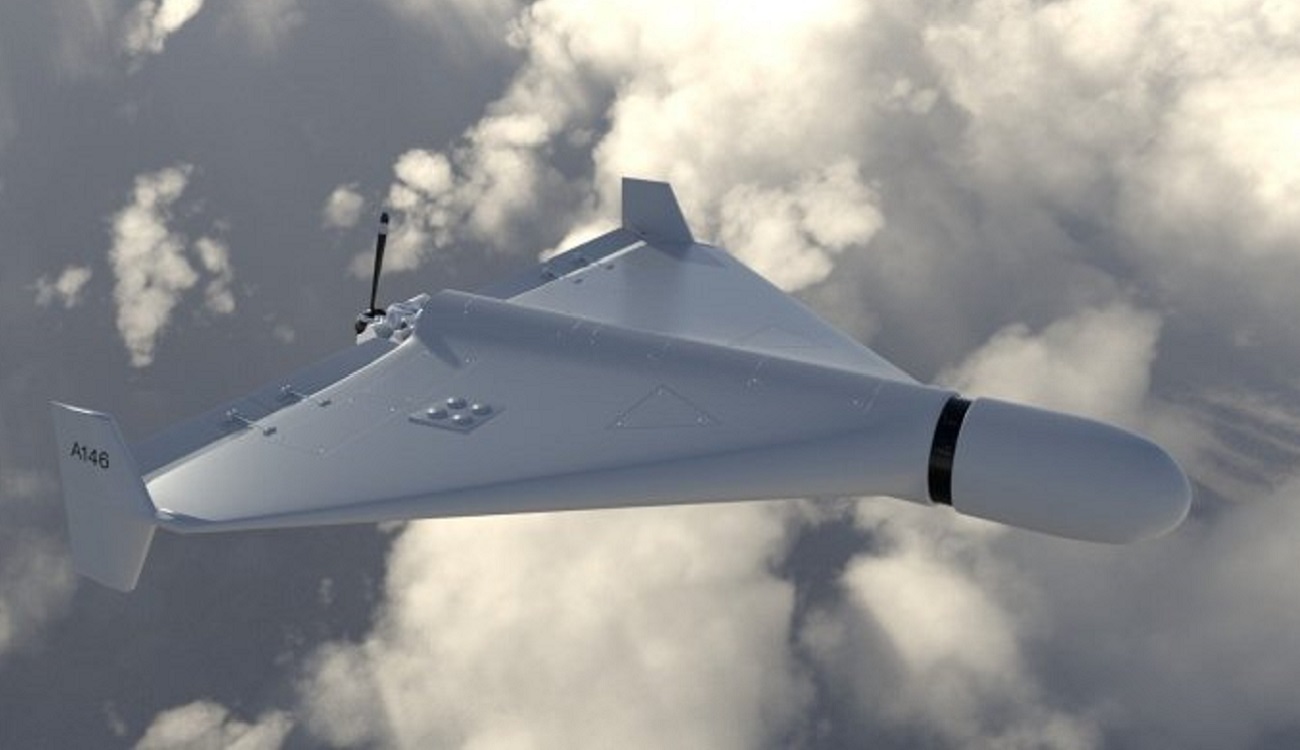
Tensions between Russia and NATO countries continue to rise following an incident in Romania, where a drone crashed into a residential building in the city of Galați, near the Ukrainian border, during a large-scale attack on Ukrainian targets. A woman and a child were injured. The incident marked the first time since the start of the full-scale war that an attack linked to the Russia-Ukraine conflict resulted in civilian casualties on the territory of a NATO member state.
Against this backdrop, Russian Security Council Deputy Chairman Dmitry Medvedev issued a stern warning, cautioning European countries that similar incidents could happen again. According to him, European Union member states are becoming increasingly involved in the conflict through arms supplies, intelligence sharing, and the provision of components for Ukrainian drones. As a result, he argued, European citizens should be prepared for the consequences of the war to be felt more strongly. Medvedev stated that “this will continue” and suggested that Europeans can no longer feel completely insulated from the conflict’s repercussions.
 Medvedev warned European Union countries that drone-related incidents on European territory could occur again
The statement came after NATO reacted sharply to the incident in Romania. NATO Secretary General Mark Rutte emphasized that the alliance is prepared to defend “every inch of allied territory”, while describing the incident as another example of Russia’s irresponsible behavior. Romanian authorities summoned the Russian ambassador for explanations and also decided to close the Russian consulate in Constanța. Moscow, in turn, promised retaliatory measures.
Russian President Vladimir Putin said it was too early to draw conclusions about the drone’s origin and that a full investigation was necessary to determine its ownership. According to Putin, the possibility that the drone was Ukrainian could not be ruled out. Russian officials also noted that drones had previously been detected in the airspace of Poland, Finland, and the Baltic states.
The events in Romania have heightened concerns among European governments about the risk of the war spilling beyond Ukraine’s borders. According to Romanian authorities, dozens of violations of the country’s airspace by drones and missiles linked to the conflict have been recorded since 2022. The number of such incidents has increased significantly in 2026 alone.
For NATO, the incident has become another argument in favor of accelerating the deployment of modern counter-drone systems along the alliance’s eastern flank. Romania has already requested additional air defense support, including low-altitude radar systems and specialized drone interception capabilities. NATO officials acknowledge that the widespread use of relatively inexpensive attack drones has become one of the most significant challenges to European security.
Politically, the incident could have long-term consequences. While previous cases involving falling debris or airspace violations were often viewed as side effects of the war, injuries to civilians on the territory of a NATO member state elevate the issue to a new level. European capitals are increasingly treating such incidents not as accidents but as part of a broader security threat to the continent. As a result, pressure on NATO allies to strengthen the protection of the alliance’s eastern borders and expand military support for Ukraine is likely to continue growing.


 Latest news
Latest news
Latest newsGeorgia’s Constitutional Court Continues Case on Banning Opposition Parties: Political Pluralism at Stake
12.Oct.2026
Azerbaijan and Iran Step Up Security Contacts Amid Hijab Protests
12.Oct.2026
Personnel Shortages Complicate Ukrainian Forces’ Rotation: Ukraine Faces Long-Term Challenges on the Front Line
11.Oct.2026
Trump Eases Sanctions on Russian Fuel After Talks with Putin: Kyiv Fears Boost to Moscow’s War Revenues
10.Oct.2026
Putin Seeks to Strengthen Russia’s Influence in the Post-Soviet Space Through the CIS
10.Oct.2026
Russia and the South Caucasus: External Pressure, Political Competition and a Crisis of Trust
10.Oct.2026
Peaceful Settlement Between Armenia and Azerbaijan: Moving from Declarations to Implementation
10.Oct.2026
Moldova Ready to Accept as Many Ukrainians as Necessary if Situation Worsens This Winter
09.Oct.2026
Turkmenistan Turns Avaza into a Regional Diplomatic Hub as Caspian, Central Asian and CIS Agendas Converge
08.Oct.2026
Romania Scrambles Spanish F-18s After Aerial Targets Detected Near Ukrainian Border
07.Oct.2026
Berlin Deepens Defence Partnership with Kyiv: Germany to Provide Ukraine with €1 Billion in Military Aid
07.Oct.2026
European Parliament Against Georgian Dream: EU Prepares New Response to Tbilisi
06.Oct.2026
Bulgarian Foreign Minister to Discuss European Security and International Law in the Netherlands
05.Oct.2026
Rheinmetall in Bulgaria: Sofia Emerges as a New NATO Defence-Industrial Hub in the Balkans
05.Oct.2026
The Cost of a Long War: Moscow Expands Spending Plans Through 2029
05.Oct.2026