
 13 Oct 2026









Azerbaijan Expands Fuel Supplies to Armenia Amid Growing Economic Engagement
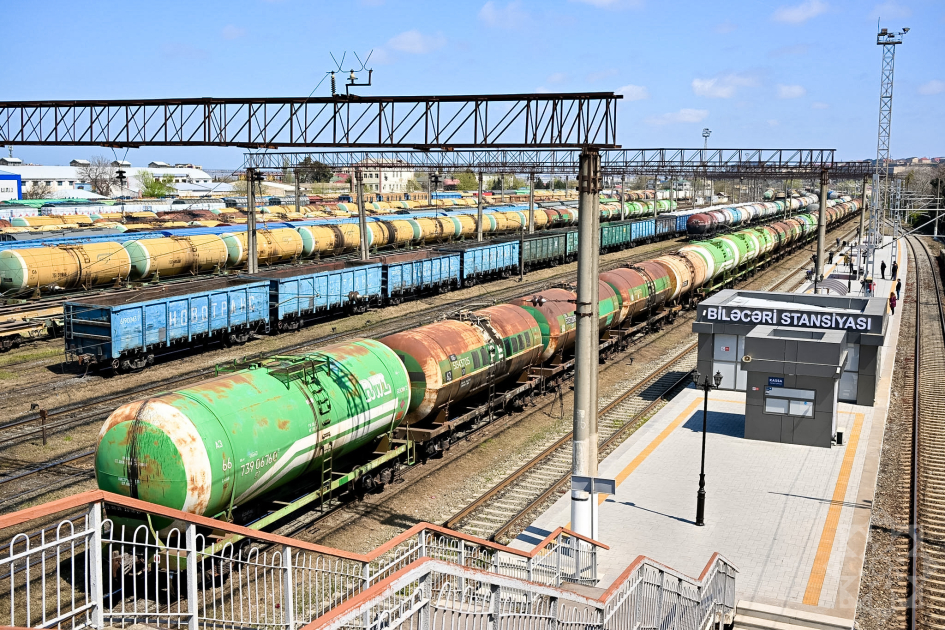
Azerbaijan continues to supply petroleum products to Armenia, gradually expanding economic cooperation between the two neighboring countries after decades without direct trade. The latest shipment was dispatched by rail from the Balajari railway station and transported to the Armenian border via Georgia. The cargo consisted of 971 tonnes of AI-92 gasoline and 467 tonnes of diesel fuel, carried in 26 railway tank cars.
The shipment marks another step in a series of fuel exports that began in late 2025 following agreements reached between Baku and Yerevan. According to official figures, Azerbaijan previously supplied 1,220 tonnes of AI-95 gasoline to Armenia in December 2025, followed by an additional 2,698 tonnes of gasoline and diesel fuel in January 2026.
According to Azerbaijani and Armenian sources, the total volume of petroleum products delivered so far has exceeded 10,000 tonnes of diesel fuel and nearly 4,000 tonnes of gasoline of various grades. At the same time, Azerbaijan has increasingly served as a transit corridor for Russian and Kazakh cargoes destined for Armenia, including grain, fertilizers, and other goods, reflecting a gradual normalization of regional transport links.
Analysts note that the fuel deliveries are significant not only from an economic perspective but also politically. Following progress on the draft peace agreement between Azerbaijan and Armenia, the two countries have begun translating political dialogue into practical economic cooperation. Whereas direct trade between the neighbors was virtually impossible only a few years ago, energy supplies are now emerging as one of the first tangible examples of a new model of regional engagement.
Although fuel exports to Armenia represent only a small share of Azerbaijan's overall petroleum trade, they carry considerable strategic importance. For Baku, the deliveries demonstrate a willingness to develop economic ties and support the reopening of transport and trade routes across the South Caucasus. For Armenia, access to an additional fuel supplier contributes to the diversification of imports and reduces dependence on a limited number of supply routes and sources.
Observers believe that further expansion of bilateral trade will largely depend on the implementation of political agreements and the reopening of regional transport infrastructure. If the current trend continues, cooperation in the energy sector could become the foundation for broader economic interaction between the two countries and contribute to greater economic integration and stability across the South Caucasus.
CCBS Expert Group


 Latest news
Latest news
Latest newsGeorgia’s Constitutional Court Continues Case on Banning Opposition Parties: Political Pluralism at Stake
12.Oct.2026
Azerbaijan and Iran Step Up Security Contacts Amid Hijab Protests
12.Oct.2026
Personnel Shortages Complicate Ukrainian Forces’ Rotation: Ukraine Faces Long-Term Challenges on the Front Line
11.Oct.2026
Trump Eases Sanctions on Russian Fuel After Talks with Putin: Kyiv Fears Boost to Moscow’s War Revenues
10.Oct.2026
Putin Seeks to Strengthen Russia’s Influence in the Post-Soviet Space Through the CIS
10.Oct.2026
Russia and the South Caucasus: External Pressure, Political Competition and a Crisis of Trust
10.Oct.2026
Peaceful Settlement Between Armenia and Azerbaijan: Moving from Declarations to Implementation
10.Oct.2026
Moldova Ready to Accept as Many Ukrainians as Necessary if Situation Worsens This Winter
09.Oct.2026
Turkmenistan Turns Avaza into a Regional Diplomatic Hub as Caspian, Central Asian and CIS Agendas Converge
08.Oct.2026
Romania Scrambles Spanish F-18s After Aerial Targets Detected Near Ukrainian Border
07.Oct.2026
Berlin Deepens Defence Partnership with Kyiv: Germany to Provide Ukraine with €1 Billion in Military Aid
07.Oct.2026
European Parliament Against Georgian Dream: EU Prepares New Response to Tbilisi
06.Oct.2026
Bulgarian Foreign Minister to Discuss European Security and International Law in the Netherlands
05.Oct.2026
Rheinmetall in Bulgaria: Sofia Emerges as a New NATO Defence-Industrial Hub in the Balkans
05.Oct.2026
The Cost of a Long War: Moscow Expands Spending Plans Through 2029
05.Oct.2026