
 22 Sep 2026









Russia’s Fuel Crisis Reaches the Federal Level as Putin Acknowledges Shortages
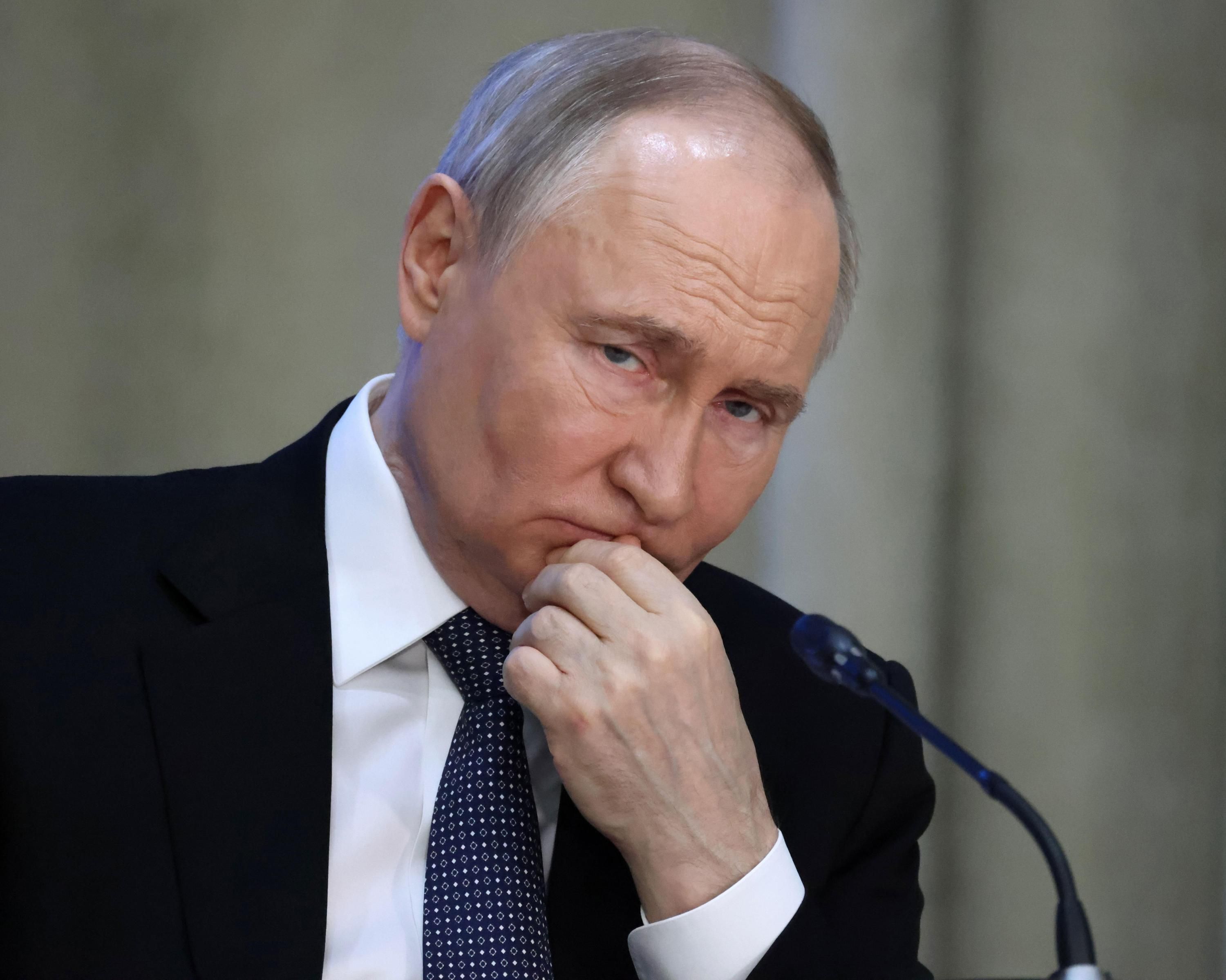
Russian President Vladimir Putin has publicly acknowledged fuel shortages in several regions of the country for the first time, signaling that disruptions to domestic fuel supplies have become a matter of national concern. During a government meeting, Putin announced the creation of a federal task force to coordinate fuel distribution and stabilize supplies. He said the immediate priority is to ensure adequate deliveries to the domestic market, particularly to the agricultural sector, where demand for diesel has surged during the peak harvesting season. Authorities are also considering a temporary ban on diesel exports to increase supplies at home.
Putin’s remarks represent the clearest official acknowledgment to date of a problem that has been spreading across Russia over recent weeks. Regional authorities have reported long queues at filling stations, temporary sales restrictions on gasoline and diesel, and interruptions in fuel deliveries. In response, the federal government has already banned gasoline exports and is evaluating additional measures to prevent further shortages.
Analysts say the crisis is being driven by a combination of structural and operational factors, with repeated Ukrainian strikes on Russia’s oil refining and energy infrastructure playing a significant role. Over recent months, a series of drone attacks has targeted major oil refineries, fuel storage facilities, and logistical hubs. As a result, parts of Russia’s refining capacity have been temporarily shut down or forced to operate below normal levels, reducing production of gasoline, diesel, and jet fuel. Output of some automotive fuels has fallen by roughly a quarter compared with the same period last year.
The situation has been further complicated by seasonal demand. Fuel consumption typically rises during the summer due to increased road traffic, vacation travel, and intensive agricultural activity. With refining capacity under pressure, even relatively minor disruptions to transportation and distribution networks can quickly lead to localized shortages. Russian authorities have therefore identified fuel supplies for farmers as a strategic priority, warning that diesel shortages could affect the pace of harvesting and the transportation of agricultural products.
To stabilize the market, the government is considering several emergency measures. In addition to the existing ban on gasoline exports, officials are discussing temporary restrictions on diesel exports. Russia has also reportedly approached Kazakhstan about purchasing additional volumes of AI-92 gasoline and is preparing to import gasoline by sea from Asian suppliers for the first time in many years. For one of the world's largest exporters of crude oil and petroleum products, such steps underscore the seriousness of the current supply disruptions.
Military and energy analysts argue that Ukraine’s long-range campaign is increasingly focused on weakening Russia’s logistical and industrial capabilities rather than solely targeting military assets. The objective, they say, is not necessarily to halt oil production altogether but to create sustained disruptions in fuel distribution, increase repair and maintenance costs, and force Moscow to divert financial and logistical resources from military operations to domestic infrastructure. As attacks on energy facilities continue, the Russian government faces growing pressure to balance export commitments, military demand, and civilian consumption simultaneously.
While the Kremlin insists that the situation remains under control and that the shortages are temporary, the establishment of a federal task force and discussions of additional export restrictions suggest that the issue has evolved from isolated regional disruptions into a nationwide challenge for Russia’s energy sector.


 Latest news
Latest news
Latest newsBulgaria Strengthens Mobile Air Defence Through Strategic Partnership with Czechia
22.Sep.2026
Bulgaria Marks 118 Years of Independence: Veliko Tarnovo Becomes the Center of National Celebrations
22.Sep.2026
Tbilisi Links Georgia’s European Future to the Restoration of Territorial Integrity
22.Sep.2026
Duma Elections Reinforce Kremlin Dominance Amid the War
21.Sep.2026
Zelenskyy Approves New Long-Range Ukrainian Operations Amid Russian Attacks
20.Sep.2026
US Sanctions Target Russias Main Pillar as Moscow Faces New Pressure on Oil Revenues
19.Sep.2026
Russia Begins State Duma Elections Amid War in Ukraine
18.Sep.2026
Bulgaria Strengthens Protection of Strategic Infrastructure Against Drones and Other Threats
18.Sep.2026
Georgia and Enka: How the Namakhvani Dispute Could Affect the Investment Climate
17.Sep.2026
Una Aleksandra Bērziņa-Čerenkova: After Russia’s Invasion, Latvia Began Banning Russian-Language Media
17.Sep.2026
Rainer Saks: Russia сould lose its influence in Armenia, just as it did in the Baltics
16.Sep.2026
Russian Drones Violated Moldovan Airspace Twice During Zelenskys Trips
16.Sep.2026
Operation Vivaldi: Ukraine Reports Advances Near Lyman as Fighting Intensifies
16.Sep.2026
Kazakhstan and South Korea Elevate Ties to Comprehensive Strategic Partnership
16.Sep.2026
Armenia Energy Diversification: Testing the Limits of Dependence on Russian Gas
15.Sep.2026