
 22 Sep 2026









Tbilisi Links Georgia’s European Future to the Restoration of Territorial Integrity
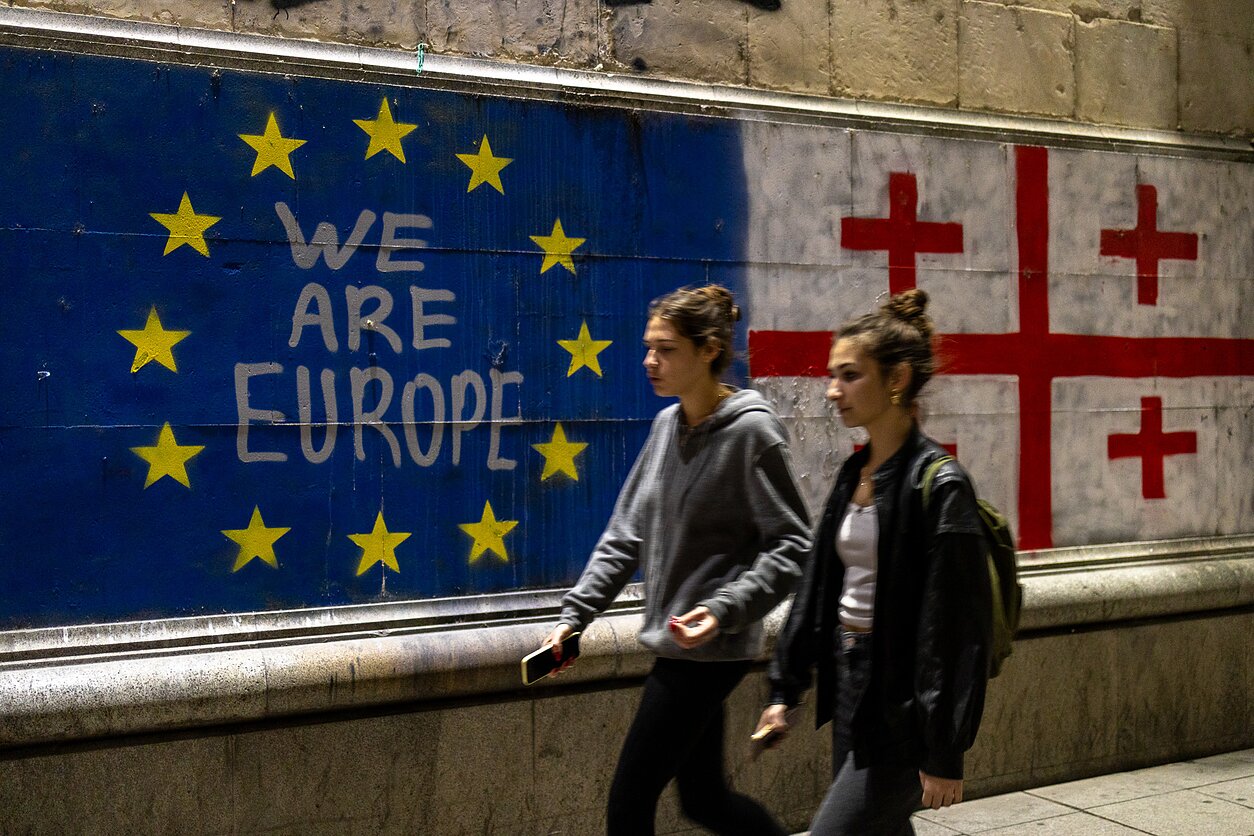
The Georgian authorities have once
again linked the country's prospects of joining the European Union to the
restoration of its territorial integrity, while developments in South Ossetia
demonstrate the continuing deepening of Russian influence in the occupied
territories. These developments come amid ongoing debates over Georgia's
foreign policy direction and its relations with European partners.
On
September 21, Georgian Parliament Speaker Shalva Papuashvili stated that EU membership without Abkhazia and the Tskhinvali region would have no
value for the country. He was responding to proposals to consider European
integration without first resolving the territorial issue, arguing that such
concessions were unacceptable.
The
statement came amid the election of Marat Kambolov as the new de facto
president of South Ossetia. The former Russian federal official, who is from
North Ossetia, received approximately 85% of the vote in the September 18
election. Moscow welcomed the result, presenting it as evidence of the region's
desire to further strengthen its ties with Russia.
Kambolov
had no previous ties to South Ossetia and assumed the leadership position
following the departure of Alan Gagloev, who moved to a position as an adviser
to Russian President Vladimir Putin. His election is viewed by Georgian and
Western sources in the context of Moscow's continued strengthening of
administrative and political control over the region.
The
European Union did not recognize the legitimacy of the vote, stating that its
results had no legal validity. Brussels also expressed concern over Russia's
efforts to integrate South Ossetia into Russian political, military, economic,
and legal structures. According to the EU, such steps deepen divisions,
threaten regional stability, and violate international law.
Statements by the Georgian
leadership regarding the conditions for European integration and the election
of a new leader in South Ossetia demonstrate how closely foreign policy,
unresolved territorial conflicts, and Moscow's influence remain intertwined in
the region.


 Latest news
Latest news
Latest newsBulgaria Strengthens Mobile Air Defence Through Strategic Partnership with Czechia
22.Sep.2026
Bulgaria Marks 118 Years of Independence: Veliko Tarnovo Becomes the Center of National Celebrations
22.Sep.2026
Tbilisi Links Georgia’s European Future to the Restoration of Territorial Integrity
22.Sep.2026
Duma Elections Reinforce Kremlin Dominance Amid the War
21.Sep.2026
Zelenskyy Approves New Long-Range Ukrainian Operations Amid Russian Attacks
20.Sep.2026
US Sanctions Target Russias Main Pillar as Moscow Faces New Pressure on Oil Revenues
19.Sep.2026
Russia Begins State Duma Elections Amid War in Ukraine
18.Sep.2026
Bulgaria Strengthens Protection of Strategic Infrastructure Against Drones and Other Threats
18.Sep.2026
Georgia and Enka: How the Namakhvani Dispute Could Affect the Investment Climate
17.Sep.2026
Una Aleksandra Bērziņa-Čerenkova: After Russia’s Invasion, Latvia Began Banning Russian-Language Media
17.Sep.2026
Rainer Saks: Russia сould lose its influence in Armenia, just as it did in the Baltics
16.Sep.2026
Russian Drones Violated Moldovan Airspace Twice During Zelenskys Trips
16.Sep.2026
Operation Vivaldi: Ukraine Reports Advances Near Lyman as Fighting Intensifies
16.Sep.2026
Kazakhstan and South Korea Elevate Ties to Comprehensive Strategic Partnership
16.Sep.2026
Armenia Energy Diversification: Testing the Limits of Dependence on Russian Gas
15.Sep.2026