
 13 Oct 2026









Russia Begins Importing Gasoline from India Amid Domestic Fuel Shortages
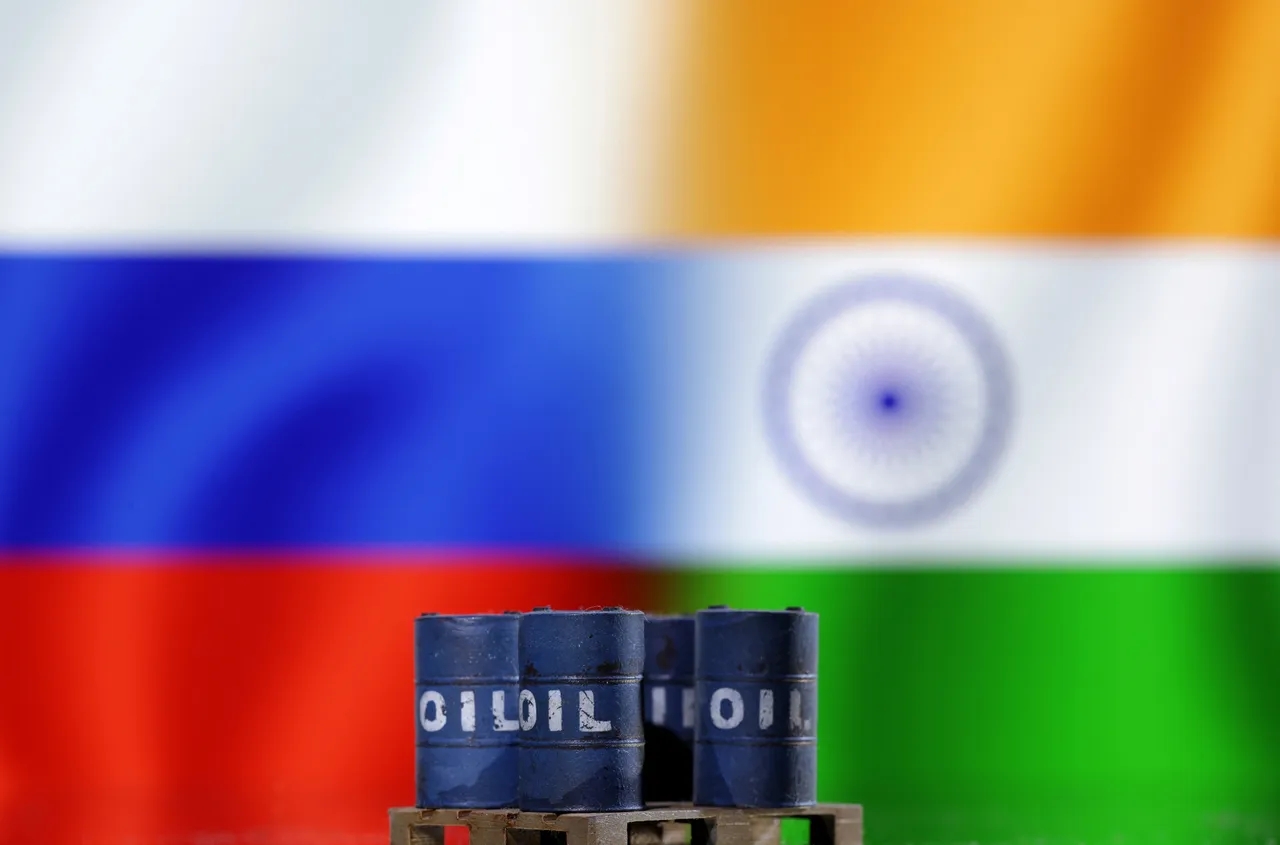
Russia
has begun importing gasoline from India by sea for the first time in years in
an effort to stabilize its domestic fuel market. According to Reuters, citing
industry sources, at least 60,000 metric tons of gasoline are already bound for
Russian ports aboard two tankers, each carrying between 30,000 and 40,000 tons
of fuel.
Sources
told Reuters that the Russian government is also considering importing up to
400,000 metric tons of gasoline per month from several countries, including
India and Belarus. Belarusian suppliers have already significantly increased
fuel exports to Russia, with shipments reportedly reaching around 70,000 tons
during the first half of June.
The
imports come as Russia continues to face fuel shortages. According to Reuters,
the supply disruptions have been driven by damage to oil refineries caused by
Ukrainian drone strikes, coupled with strong seasonal demand. Several Russian
regions have experienced fuel sales restrictions, long queues at filling
stations, and rising retail gasoline prices. Kremlin spokesman Dmitry Peskov
recently confirmed that Moscow is negotiating with foreign partners to secure
gasoline imports at competitive prices.
The
move is particularly notable given the current structure of Russia–India energy
cooperation. Since the introduction of Western sanctions, India has become one
of the largest buyers of discounted Russian crude oil, refining it at its
domestic facilities. Reuters estimates that India's imports of Russian crude
reached approximately 2.7 million barrels per day in June, accounting for more
than half of the country's total crude oil imports. As a result, part of the
gasoline now being shipped to Russia has effectively been produced from Russian
crude that was previously exported to India for refining.
Analysts
note that the initial shipment volumes are unlikely to significantly ease the
shortage. Russia's summer gasoline consumption exceeds 110,000 metric tons per
day, meaning that a 60,000-ton shipment represents less than one day's domestic
demand. Nevertheless, the start of gasoline imports marks a significant shift
in Russia's fuel market. Traditionally one of the world's largest exporters of
refined petroleum products, Russia is now relying on foreign supplies to offset
temporary shortages and stabilize domestic fuel prices.
The
development also reflects broader changes in global refining and energy trade.
India, home to some of the world's largest and most advanced refineries, is
increasingly establishing itself as a major global refining hub, particularly
for Russian crude. For Moscow, utilizing India's refining capacity provides a
means of partially compensating for reduced domestic refining output while
helping to maintain fuel supplies amid continued pressure on Russia's energy
infrastructure.


 Latest news
Latest news
Latest newsGeorgia’s Constitutional Court Continues Case on Banning Opposition Parties: Political Pluralism at Stake
12.Oct.2026
Azerbaijan and Iran Step Up Security Contacts Amid Hijab Protests
12.Oct.2026
Personnel Shortages Complicate Ukrainian Forces’ Rotation: Ukraine Faces Long-Term Challenges on the Front Line
11.Oct.2026
Trump Eases Sanctions on Russian Fuel After Talks with Putin: Kyiv Fears Boost to Moscow’s War Revenues
10.Oct.2026
Putin Seeks to Strengthen Russia’s Influence in the Post-Soviet Space Through the CIS
10.Oct.2026
Russia and the South Caucasus: External Pressure, Political Competition and a Crisis of Trust
10.Oct.2026
Peaceful Settlement Between Armenia and Azerbaijan: Moving from Declarations to Implementation
10.Oct.2026
Moldova Ready to Accept as Many Ukrainians as Necessary if Situation Worsens This Winter
09.Oct.2026
Turkmenistan Turns Avaza into a Regional Diplomatic Hub as Caspian, Central Asian and CIS Agendas Converge
08.Oct.2026
Romania Scrambles Spanish F-18s After Aerial Targets Detected Near Ukrainian Border
07.Oct.2026
Berlin Deepens Defence Partnership with Kyiv: Germany to Provide Ukraine with €1 Billion in Military Aid
07.Oct.2026
European Parliament Against Georgian Dream: EU Prepares New Response to Tbilisi
06.Oct.2026
Bulgarian Foreign Minister to Discuss European Security and International Law in the Netherlands
05.Oct.2026
Rheinmetall in Bulgaria: Sofia Emerges as a New NATO Defence-Industrial Hub in the Balkans
05.Oct.2026
The Cost of a Long War: Moscow Expands Spending Plans Through 2029
05.Oct.2026