
 13 Oct 2026









Romania Strengthens Strategic Partnership with the United States as President Nicușor Dan Reaffirms Defense Cooperation
Romanian
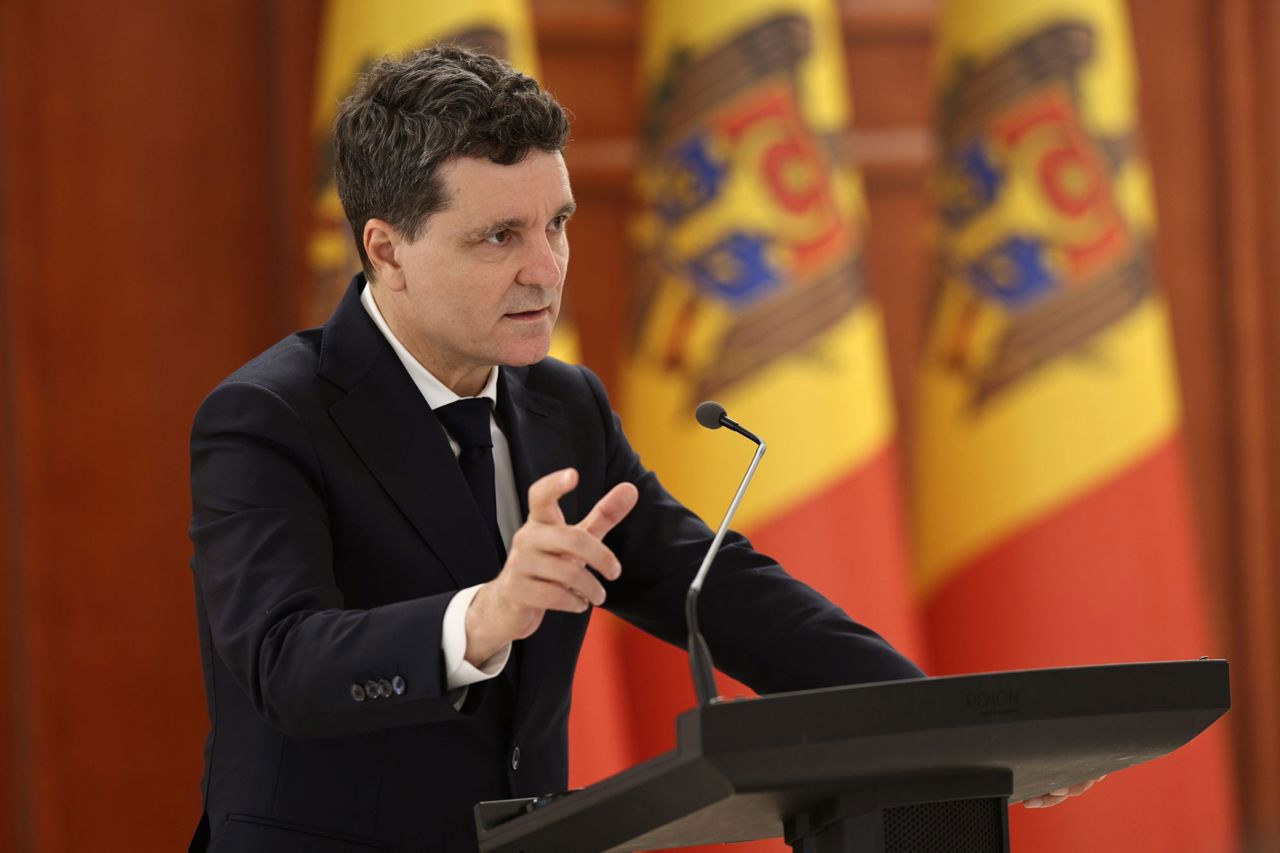
President Nicușor Dan has reaffirmed Bucharest's commitment to strengthening
its strategic partnership with the United States, describing cooperation with
Washington as one of the country's key foreign policy and defense priorities.
In a statement marking the 250th anniversary of U.S. independence, the
president stressed that Romanian-American relations should not only be
maintained but further expanded in response to the evolving security
environment in the Black Sea region and Eastern Europe.
According
to President Dan, Romania regards the United States as its principal strategic
ally and intends to deepen cooperation in defense, energy, advanced
technologies, and critical infrastructure. He emphasized that Bucharest is
actively working to expand the U.S. military presence at the Mihail
Kogălniceanu Air Base, which has become one of NATO's most important logistical
and operational hubs on the Alliance's eastern flank. The two countries are
also advancing cooperation in the energy sector, including the deployment of
U.S. small modular reactor (SMR) technology, the modernization of the Cernavodă
Nuclear Power Plant, the establishment of an artificial intelligence and data
center in the Dobruja region, and collaboration on the development of critical
mineral resources.
The
Romanian president also highlighted the importance of transport and energy
infrastructure projects. According to Dan, the modernization of the Port of
Constanța is expected to transform it into one of the region's principal
logistics hubs, capable of playing a significant role in ensuring Black Sea
security and supporting Ukraine's future reconstruction. At the same time,
Romania continues to promote strategic energy initiatives such as the Vertical
Gas Corridor (VGC) and the Neptun Deep offshore natural gas project, aimed at
diversifying energy supplies and reducing Europe's dependence on Russian gas.
The
president's remarks are consistent with the Romanian government's broader
policy of strengthening national defense capabilities. Bucharest has continued
to increase defense spending, accelerate the modernization of its armed forces,
and procure advanced U.S.-made military equipment, including air defense
systems, fighter aircraft, armored vehicles, and other modern weaponry. Romania
also supports NATO initiatives to increase defense expenditures among member
states and remains committed to reinforcing the Alliance's eastern flank. These
priorities were also discussed during the recent Bucharest Nine (B9) Summit,
where allied leaders focused on implementing new defense investment commitments
and expanding transatlantic defense industrial cooperation.
Analysts note that Romania's current foreign and security policy reflects its ambition to consolidate its position as one of the United States' and NATO's key allies in the Black Sea region. Against the backdrop of the ongoing war in Ukraine and continued tensions between Russia and the West, Bucharest is seeking to leverage its geographical position by expanding military infrastructure, enhancing logistical capabilities, and deepening cooperation with Washington. At the same time, joint energy and technology projects are expected to strengthen not only Romania's national security but also its long-term economic resilience, making the strategic partnership with the United States far broader than a traditional defense relationship.
CCBS Expert Group


 Latest news
Latest news
Latest newsGeorgia’s Constitutional Court Continues Case on Banning Opposition Parties: Political Pluralism at Stake
12.Oct.2026
Azerbaijan and Iran Step Up Security Contacts Amid Hijab Protests
12.Oct.2026
Personnel Shortages Complicate Ukrainian Forces’ Rotation: Ukraine Faces Long-Term Challenges on the Front Line
11.Oct.2026
Trump Eases Sanctions on Russian Fuel After Talks with Putin: Kyiv Fears Boost to Moscow’s War Revenues
10.Oct.2026
Putin Seeks to Strengthen Russia’s Influence in the Post-Soviet Space Through the CIS
10.Oct.2026
Russia and the South Caucasus: External Pressure, Political Competition and a Crisis of Trust
10.Oct.2026
Peaceful Settlement Between Armenia and Azerbaijan: Moving from Declarations to Implementation
10.Oct.2026
Moldova Ready to Accept as Many Ukrainians as Necessary if Situation Worsens This Winter
09.Oct.2026
Turkmenistan Turns Avaza into a Regional Diplomatic Hub as Caspian, Central Asian and CIS Agendas Converge
08.Oct.2026
Romania Scrambles Spanish F-18s After Aerial Targets Detected Near Ukrainian Border
07.Oct.2026
Berlin Deepens Defence Partnership with Kyiv: Germany to Provide Ukraine with €1 Billion in Military Aid
07.Oct.2026
European Parliament Against Georgian Dream: EU Prepares New Response to Tbilisi
06.Oct.2026
Bulgarian Foreign Minister to Discuss European Security and International Law in the Netherlands
05.Oct.2026
Rheinmetall in Bulgaria: Sofia Emerges as a New NATO Defence-Industrial Hub in the Balkans
05.Oct.2026
The Cost of a Long War: Moscow Expands Spending Plans Through 2029
05.Oct.2026