
 13 Oct 2026









OPEC+ Accelerates Output Recovery as Kazakhstan Increases Oil Production from August
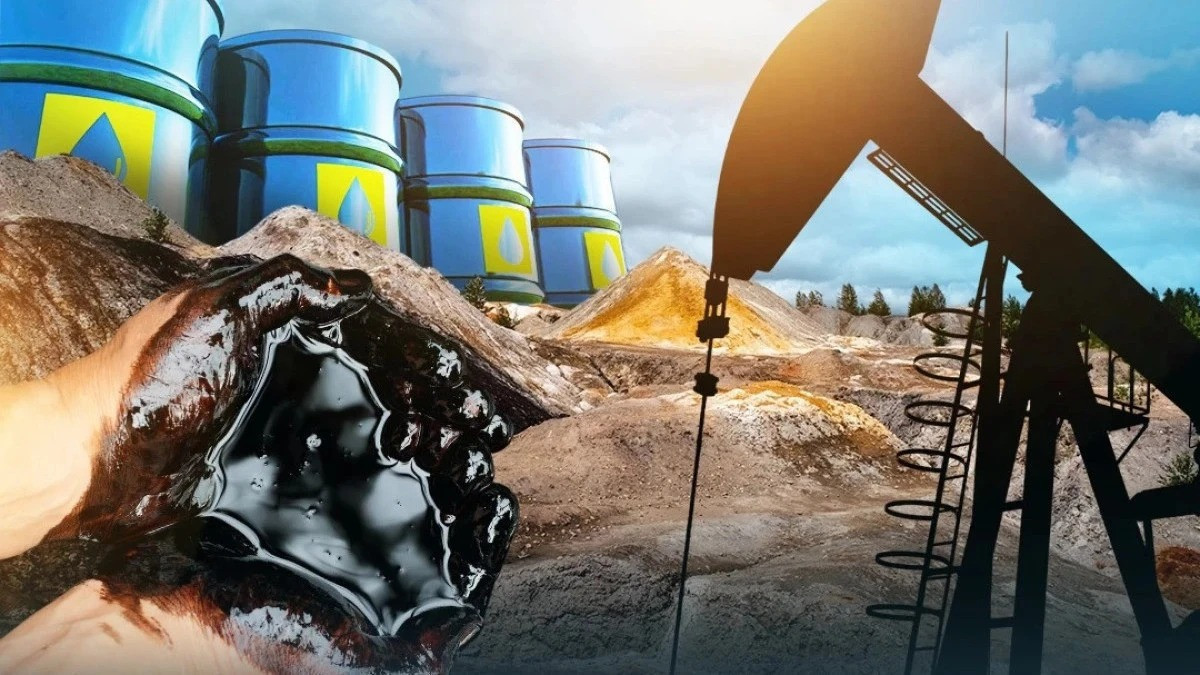
Kazakhstan will increase its oil production from August 2026 under the latest OPEC+ agreement reached by the eight countries participating in the voluntary production cuts. Under the deal, the group's combined output will rise by 188,000 barrels per day. In addition to Kazakhstan, the participating countries include Saudi Arabia, Russia, Iraq, the United Arab Emirates, Kuwait, Algeria, and Oman.
The decision was made following an online meeting of OPEC+ ministers, during which participants pointed to strong oil market fundamentals, relatively low global commercial crude inventories, and resilient demand. The production increase marks another step in the gradual unwinding of the voluntary output cuts that have been in place since 2023 and repeatedly extended to help maintain balance in the global oil market.
For Kazakhstan, compliance with OPEC+ production quotas remains one of the country's most sensitive energy policy issues. In recent months, Kazakhstan has consistently exceeded its agreed production targets, largely due to higher output at the Tengiz oil field following the completion of the Future Growth Project expansion. The government has repeatedly pledged to compensate for overproduction through additional cuts in subsequent months, but achieving full compliance has proven difficult because of the technical and operational characteristics of the country's major oil fields, which are operated by international consortia.
Kazakhstan's Ministry of Energy has reiterated that the country remains committed to its obligations under the OPEC+ agreement while also seeking to honor long-term commitments to foreign investors and ensure the stable development of its oil sector. According to the ministry, any further production increases should be accompanied by compensation measures agreed upon with other members of the alliance.
Analysts say the latest OPEC+ decision reflects growing confidence in the outlook for the global oil market. Despite persistent risks stemming from slower global economic growth and ongoing geopolitical tensions, oil demand remains robust, supported by seasonal fuel consumption, continued economic expansion across Asia, and the recovery of international transportation. Against this backdrop, OPEC+ members are gradually restoring previously curtailed production while attempting to avoid a sharp increase in supply that could put downward pressure on oil prices.
For Kazakhstan, the higher production ceiling carries significant macroeconomic importance. The oil sector accounts for a substantial share of the country's export revenues and government budget income, meaning increased production could boost foreign exchange earnings, tax revenues, and overall economic growth. At the same time, analysts believe Astana's future production policy will depend on global oil price trends, the country's fulfillment of its OPEC+ compensation commitments, and the pace of production growth at its largest oil fields — Tengiz, Kashagan, and Karachaganak.
Market observers believe the latest agreement demonstrates that OPEC+ continues to pursue a flexible supply management strategy. The alliance retains the ability to adjust production levels in response to changing market conditions, seeking to preserve price stability while meeting steadily growing global demand for energy.
CCBS Expert Group


 Latest news
Latest news
Latest newsGeorgia’s Constitutional Court Continues Case on Banning Opposition Parties: Political Pluralism at Stake
12.Oct.2026
Azerbaijan and Iran Step Up Security Contacts Amid Hijab Protests
12.Oct.2026
Personnel Shortages Complicate Ukrainian Forces’ Rotation: Ukraine Faces Long-Term Challenges on the Front Line
11.Oct.2026
Trump Eases Sanctions on Russian Fuel After Talks with Putin: Kyiv Fears Boost to Moscow’s War Revenues
10.Oct.2026
Putin Seeks to Strengthen Russia’s Influence in the Post-Soviet Space Through the CIS
10.Oct.2026
Russia and the South Caucasus: External Pressure, Political Competition and a Crisis of Trust
10.Oct.2026
Peaceful Settlement Between Armenia and Azerbaijan: Moving from Declarations to Implementation
10.Oct.2026
Moldova Ready to Accept as Many Ukrainians as Necessary if Situation Worsens This Winter
09.Oct.2026
Turkmenistan Turns Avaza into a Regional Diplomatic Hub as Caspian, Central Asian and CIS Agendas Converge
08.Oct.2026
Romania Scrambles Spanish F-18s After Aerial Targets Detected Near Ukrainian Border
07.Oct.2026
Berlin Deepens Defence Partnership with Kyiv: Germany to Provide Ukraine with €1 Billion in Military Aid
07.Oct.2026
European Parliament Against Georgian Dream: EU Prepares New Response to Tbilisi
06.Oct.2026
Bulgarian Foreign Minister to Discuss European Security and International Law in the Netherlands
05.Oct.2026
Rheinmetall in Bulgaria: Sofia Emerges as a New NATO Defence-Industrial Hub in the Balkans
05.Oct.2026
The Cost of a Long War: Moscow Expands Spending Plans Through 2029
05.Oct.2026