
 13 Oct 2026









Putin's Approval Ratings Decline as Russians Grow Increasingly Concerned About the Economy and the War
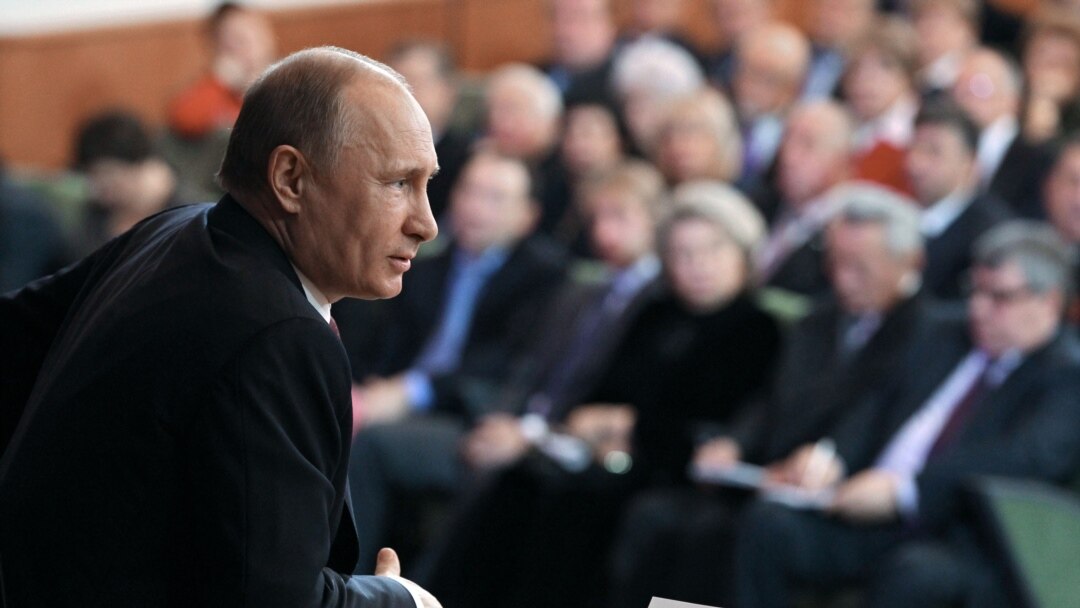
Public support for Russian President Vladimir
Putin is showing signs of weakening. According to the latest weekly survey
published by the Russian Public Opinion Research Center (VTsIOM) on July 3,
public trust in the president fell from 76.7% to 73.3% over the course of a
week, while approval of his performance dropped from 70.4% to 66.9%. Although
the figures remain relatively high, such a noticeable weekly decline is one of
the most significant in recent months and has drawn the attention of both
Russian and international analysts.
As Russia's war against Ukraine continues, Russian society
is increasingly feeling the consequences of the prolonged conflict. Economic
pressure, rising defense spending, regular Ukrainian drone strikes on Russian
territory, disruptions to mobile communications and internet services in
several regions, and continuing uncertainty over when the war might end are
gradually affecting public sentiment. Analysts note that while the initial
years of the conflict were marked by a "rally around the flag" effect
that helped sustain public support for the authorities, by mid-2026 this effect
has begun to weaken considerably.

The decline in public optimism is also reflected in a
recent Gallup survey published in late June. According to the poll, around 60%
of Russians believe the country's economic situation is deteriorating, while
more than half of respondents say their personal standard of living has
declined. Gallup also found that Russia's economic optimism index has fallen to
its lowest level in nearly two decades, while public confidence in state
institutions has gradually declined compared to the early years of the war.
Economic indicators reinforce these trends. Although Russia
continues to report GDP growth driven largely by unprecedented government
spending on the defense sector, the civilian economy is facing mounting
pressure. High interest rates, persistent inflation, labor shortages, and
rising prices for food and public utilities are eroding household purchasing
power. Economists note that Russia's military expenditures have surpassed
levels seen during the late Soviet period and are increasingly crowding out
investment in civilian industries.
Public attitudes toward the war itself also appear to be
evolving. According to several independent opinion surveys, while many Russians
continue to publicly support the government's actions, the number of citizens
favoring a negotiated end to the conflict is gradually increasing. Sociologists
attribute this shift to growing war fatigue, worsening economic conditions, and
concerns over the possibility of further mobilization.
At the same time, experts caution against
interpreting opinion polls in Russia without considering the broader political
environment. Under conditions of strict political control, criminal penalties
for criticizing the military, and significant restrictions on freedom of
expression, many respondents may be reluctant to express their true views. As a
result, official approval ratings may not fully reflect actual public
sentiment, and independent researchers recommend focusing on long-term trends
rather than absolute figures.
Despite the recent decline in support, Vladimir Putin's political position remains stable due to the absence of meaningful legal political competition, the dominance of state-controlled media, and the Kremlin's continued control over key state institutions. Nevertheless, the combination of a deteriorating economic outlook and a prolonged war is creating new domestic political challenges that could increasingly influence public opinion in the months ahead.
CCBS Expert Group


 Latest news
Latest news
Latest newsGeorgia’s Constitutional Court Continues Case on Banning Opposition Parties: Political Pluralism at Stake
12.Oct.2026
Azerbaijan and Iran Step Up Security Contacts Amid Hijab Protests
12.Oct.2026
Personnel Shortages Complicate Ukrainian Forces’ Rotation: Ukraine Faces Long-Term Challenges on the Front Line
11.Oct.2026
Trump Eases Sanctions on Russian Fuel After Talks with Putin: Kyiv Fears Boost to Moscow’s War Revenues
10.Oct.2026
Putin Seeks to Strengthen Russia’s Influence in the Post-Soviet Space Through the CIS
10.Oct.2026
Russia and the South Caucasus: External Pressure, Political Competition and a Crisis of Trust
10.Oct.2026
Peaceful Settlement Between Armenia and Azerbaijan: Moving from Declarations to Implementation
10.Oct.2026
Moldova Ready to Accept as Many Ukrainians as Necessary if Situation Worsens This Winter
09.Oct.2026
Turkmenistan Turns Avaza into a Regional Diplomatic Hub as Caspian, Central Asian and CIS Agendas Converge
08.Oct.2026
Romania Scrambles Spanish F-18s After Aerial Targets Detected Near Ukrainian Border
07.Oct.2026
Berlin Deepens Defence Partnership with Kyiv: Germany to Provide Ukraine with €1 Billion in Military Aid
07.Oct.2026
European Parliament Against Georgian Dream: EU Prepares New Response to Tbilisi
06.Oct.2026
Bulgarian Foreign Minister to Discuss European Security and International Law in the Netherlands
05.Oct.2026
Rheinmetall in Bulgaria: Sofia Emerges as a New NATO Defence-Industrial Hub in the Balkans
05.Oct.2026
The Cost of a Long War: Moscow Expands Spending Plans Through 2029
05.Oct.2026