
 13 Oct 2026









Transit Instead of Confrontation: Russia Expands Cargo Shipments to Armenia via Azerbaijan
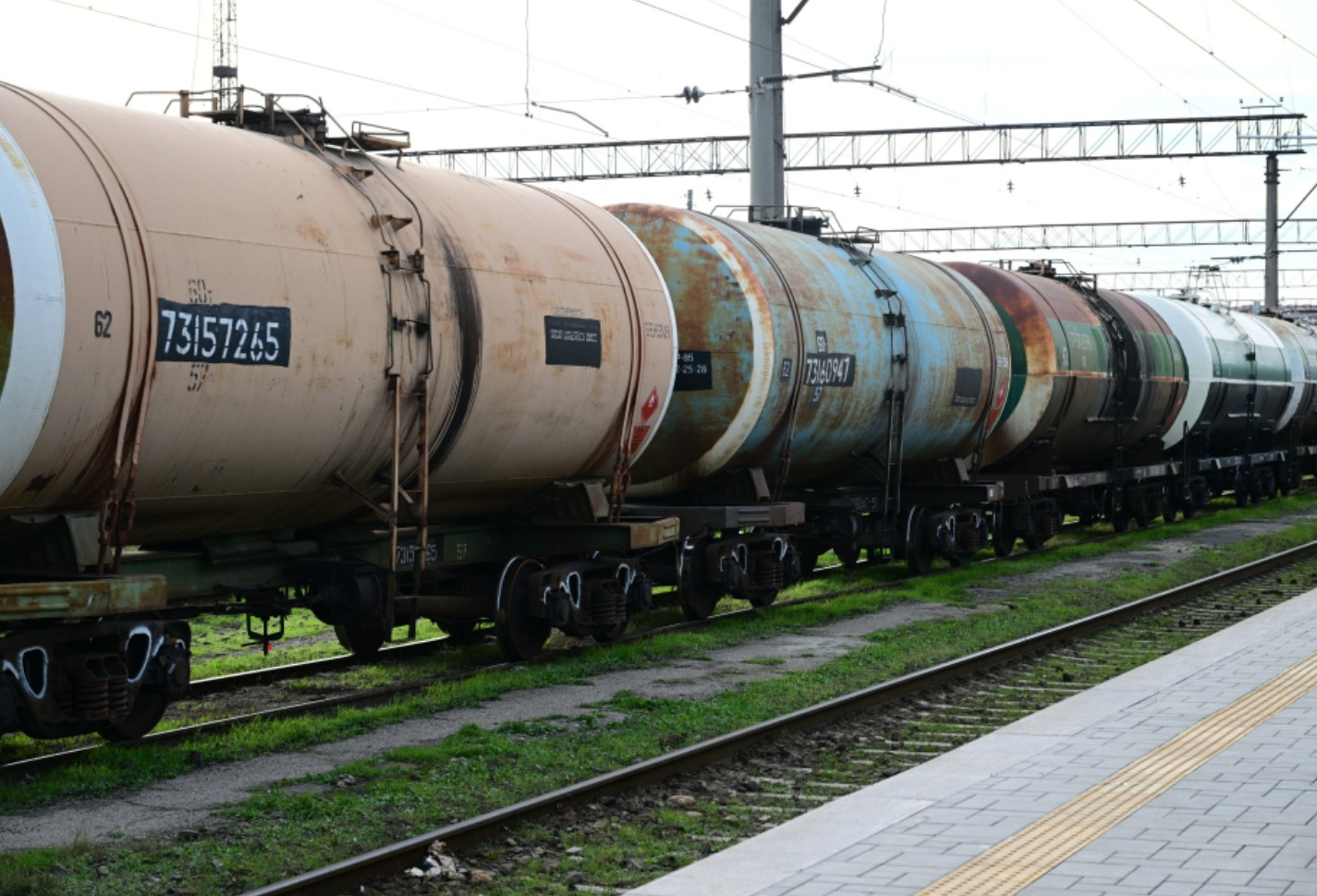
Another railway shipment of Russian cargo has been transported to Armenia through Azerbaijan. According to Azerbaijan Railways CJSC, a train carrying 14 railcars loaded with 470 tons of propane and five railcars carrying 339 tons of mineral fertilizers departed from the Balajari station toward the Azerbaijan–Georgia border. The cargo will then continue through Georgia before reaching Armenia.
The latest shipment is part of the established transit corridor linking Russia and Armenia via Azerbaijan. Official data show that since the route became operational, it has transported more than 36,000 tons of grain, around 8,000 tons of fertilizers, 1,136 tons of propane, 133 tons of aluminum, and 414 tons of anthracite.
In addition to facilitating Russian transit, trade between Azerbaijan and Armenia has also been developing. Azerbaijan has previously supplied Armenia with more than 14,000 tons of diesel fuel, as well as approximately 5,000 tons of AI-92 and AI-95 gasoline, indicating a gradual expansion of economic ties between the two neighboring countries.
Just a few years ago, such transportation would have seemed virtually impossible amid decades of conflict between Armenia and Azerbaijan. However, following significant geopolitical changes in the South Caucasus, the parties have gradually shifted toward a model of pragmatic economic cooperation.
Today, Azerbaijan is increasingly emerging as an important transit hub for cargo moving between Russia and Armenia. The railway corridor provides a reliable route for delivering industrial goods and raw materials essential to the Armenian economy.

Although the latest shipment of propane and fertilizers is relatively modest in volume, its significance lies elsewhere. First, the regularity of these deliveries suggests that transit through Azerbaijan is evolving into a stable mechanism for international trade rather than a one-off political initiative. Second, the expanding range of transported goods reflects growing confidence among the participants in the logistics chain. While initial shipments primarily consisted of grain, the cargo portfolio now includes energy products, fertilizers, aluminum, coal, and other industrial commodities.
Analysts note that stronger economic cooperation often contributes to reducing political risks. If the current trend continues, transit shipments could become one of the practical pillars supporting the long-term normalization of relations in the South Caucasus, where economic interdependence is gradually becoming as important as diplomatic negotiations. At the same time, the pace of further development will largely depend on future political agreements between the countries and the overall regional security environment.


 Latest news
Latest news
Latest newsGeorgia’s Constitutional Court Continues Case on Banning Opposition Parties: Political Pluralism at Stake
12.Oct.2026
Azerbaijan and Iran Step Up Security Contacts Amid Hijab Protests
12.Oct.2026
Personnel Shortages Complicate Ukrainian Forces’ Rotation: Ukraine Faces Long-Term Challenges on the Front Line
11.Oct.2026
Trump Eases Sanctions on Russian Fuel After Talks with Putin: Kyiv Fears Boost to Moscow’s War Revenues
10.Oct.2026
Putin Seeks to Strengthen Russia’s Influence in the Post-Soviet Space Through the CIS
10.Oct.2026
Russia and the South Caucasus: External Pressure, Political Competition and a Crisis of Trust
10.Oct.2026
Peaceful Settlement Between Armenia and Azerbaijan: Moving from Declarations to Implementation
10.Oct.2026
Moldova Ready to Accept as Many Ukrainians as Necessary if Situation Worsens This Winter
09.Oct.2026
Turkmenistan Turns Avaza into a Regional Diplomatic Hub as Caspian, Central Asian and CIS Agendas Converge
08.Oct.2026
Romania Scrambles Spanish F-18s After Aerial Targets Detected Near Ukrainian Border
07.Oct.2026
Berlin Deepens Defence Partnership with Kyiv: Germany to Provide Ukraine with €1 Billion in Military Aid
07.Oct.2026
European Parliament Against Georgian Dream: EU Prepares New Response to Tbilisi
06.Oct.2026
Bulgarian Foreign Minister to Discuss European Security and International Law in the Netherlands
05.Oct.2026
Rheinmetall in Bulgaria: Sofia Emerges as a New NATO Defence-Industrial Hub in the Balkans
05.Oct.2026
The Cost of a Long War: Moscow Expands Spending Plans Through 2029
05.Oct.2026