
 13 Oct 2026









Putin Approval Rating Drops to Lowest Level Since Start of War
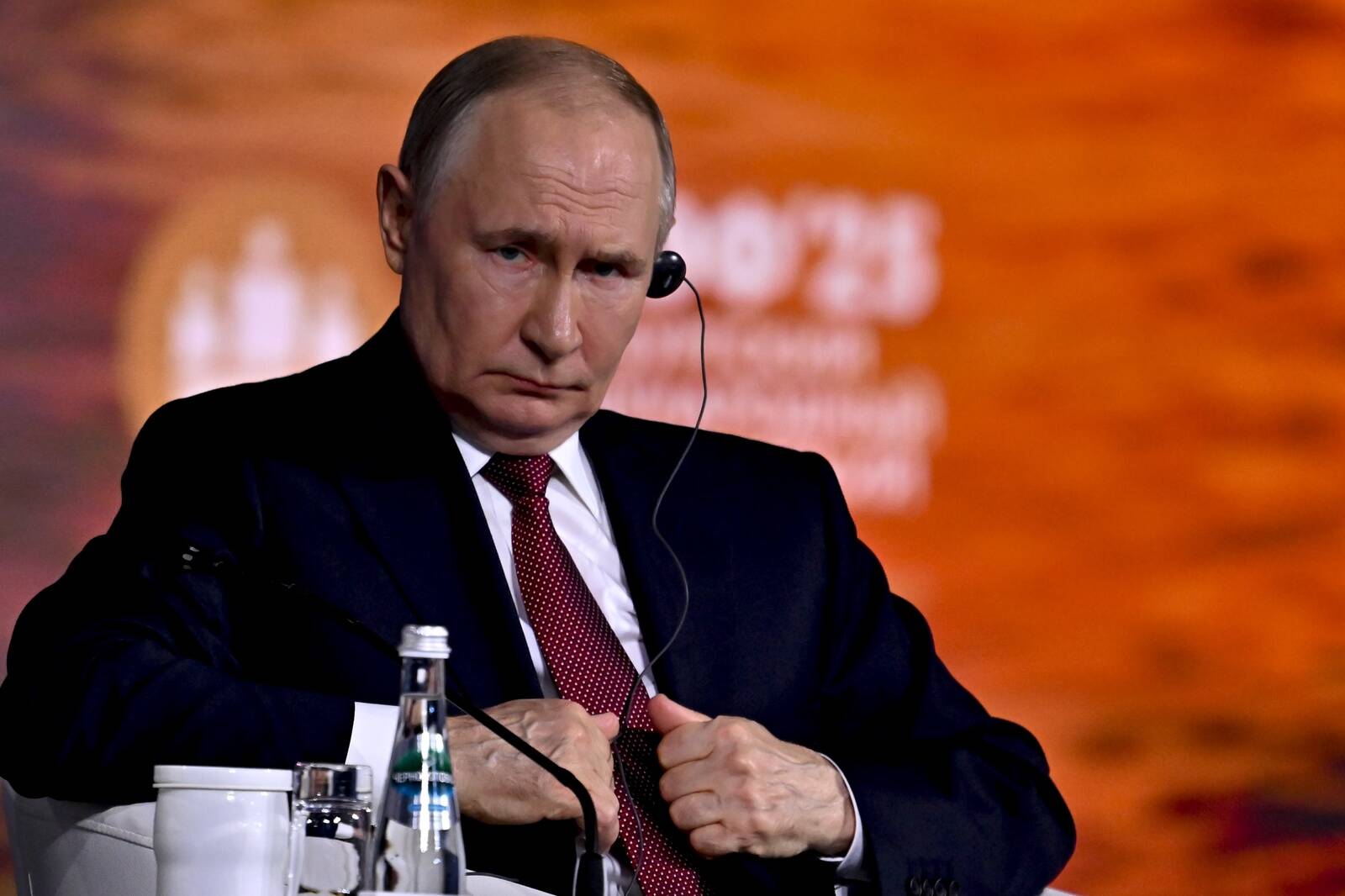
According to surveys conducted in July, Russian President Vladimir Putin’s approval rating has dropped to its lowest level since the beginning of Russia’s full-scale war against Ukraine. The polls cited by media outlets also indicate a growing share of Russians who view the president’s performance negatively.
 According to the published findings, the decline marks the sharpest drop in approval in several years. One of the main factors behind the trend is believed to be the worsening situation in Russia’s domestic fuel market. Several regions have reported gasoline shortages, rising fuel prices, and restrictions on fuel sales. For the first time in years, fuel availability has emerged as one of the country's primary public concerns.
 Experts note that the decline in approval ratings does not necessarily signal a dramatic shift in political attitudes but may reflect growing public dissatisfaction with the country's socio-economic situation. Historically, domestic economic issues — including inflation, pension reforms, and declining living standards — have had a greater impact on public perceptions of the government than foreign policy developments.

The current situation is particularly notable because, for the first time since the autumn of 2022, the main driver of declining public support appears to be domestic economic problems rather than developments related to the war. Analysts suggest this could signal the need for Russian authorities to stabilize the fuel market and curb rising prices, as everyday economic concerns increasingly shape public sentiment.
At the same time, experts caution that opinion polls conducted in Russia should be interpreted carefully. Given restrictions on freedom of expression and the broader political climate, some respondents may be reluctant to openly criticize the authorities, meaning that actual public attitudes could differ from the results reported in official surveys.
CCBS Expert Group


 Latest news
Latest news
Latest newsGeorgia’s Constitutional Court Continues Case on Banning Opposition Parties: Political Pluralism at Stake
12.Oct.2026
Azerbaijan and Iran Step Up Security Contacts Amid Hijab Protests
12.Oct.2026
Personnel Shortages Complicate Ukrainian Forces’ Rotation: Ukraine Faces Long-Term Challenges on the Front Line
11.Oct.2026
Trump Eases Sanctions on Russian Fuel After Talks with Putin: Kyiv Fears Boost to Moscow’s War Revenues
10.Oct.2026
Putin Seeks to Strengthen Russia’s Influence in the Post-Soviet Space Through the CIS
10.Oct.2026
Russia and the South Caucasus: External Pressure, Political Competition and a Crisis of Trust
10.Oct.2026
Peaceful Settlement Between Armenia and Azerbaijan: Moving from Declarations to Implementation
10.Oct.2026
Moldova Ready to Accept as Many Ukrainians as Necessary if Situation Worsens This Winter
09.Oct.2026
Turkmenistan Turns Avaza into a Regional Diplomatic Hub as Caspian, Central Asian and CIS Agendas Converge
08.Oct.2026
Romania Scrambles Spanish F-18s After Aerial Targets Detected Near Ukrainian Border
07.Oct.2026
Berlin Deepens Defence Partnership with Kyiv: Germany to Provide Ukraine with €1 Billion in Military Aid
07.Oct.2026
European Parliament Against Georgian Dream: EU Prepares New Response to Tbilisi
06.Oct.2026
Bulgarian Foreign Minister to Discuss European Security and International Law in the Netherlands
05.Oct.2026
Rheinmetall in Bulgaria: Sofia Emerges as a New NATO Defence-Industrial Hub in the Balkans
05.Oct.2026
The Cost of a Long War: Moscow Expands Spending Plans Through 2029
05.Oct.2026