
 22 Sep 2026









Urban and Mountain Tourism Drive Growth in Bulgaria
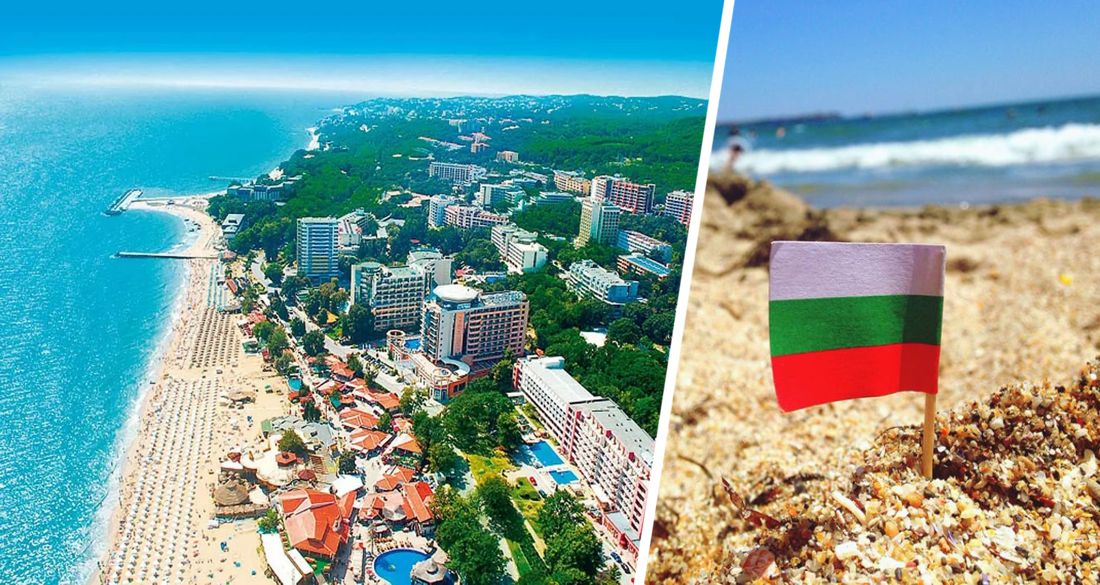
Bulgaria's tourism industry continues to post steady growth during the 2026 summer season, with urban, cultural, and domestic tourism emerging as the primary drivers of demand. At the same time, the country's Black Sea resorts have yet to fully recover to their pre-pandemic 2019 performance, according to industry analysts.
 Cape Kaliakra – 12 km east of the town of Kavarna, 60 km northeast of Varna
Experts say growing interest in destinations such as Sofia, Plovdiv, Veliko Tarnovo, and Bulgaria's mountain regions reflects changing travel preferences. An increasing number of visitors are opting for short city breaks, cultural experiences, festivals, and outdoor activities, boosting hotel occupancy beyond the country's traditional beach destinations.
 Tsarevets Fortress – located in the city of Veliko Tarnovo
Meanwhile, Bulgaria's Black Sea resorts continue to face challenges in returning to the record levels recorded in 2019. Although visitor numbers have improved compared with previous seasons, the total number of officially registered overnight stays remains below pre-pandemic figures. Analysts also note that a portion of tourist accommodation is still not captured in official statistics, making it difficult to fully assess the market.
 Ancient City of Nessebar – 37 km north of Burgas
Industry representatives remain optimistic about the second half of the summer season. They believe sustained demand from international travelers, combined with ongoing promotional campaigns, could further strengthen tourism performance in August and September. The Ministry of Tourism also expects this year's summer season to outperform last year's results.
 Rila Monastery – 117 km south of Sofia, in the Rilska River Valley
According to analysts, the current season highlights a longer-term transformation of Bulgaria's tourism sector. Alongside its traditional seaside offerings, the country is increasingly expanding cultural, historical, gastronomic, and nature-based tourism, helping to diversify the industry and reduce its dependence on beach tourism alone.


 Latest news
Latest news
Latest newsBulgaria Strengthens Mobile Air Defence Through Strategic Partnership with Czechia
22.Sep.2026
Bulgaria Marks 118 Years of Independence: Veliko Tarnovo Becomes the Center of National Celebrations
22.Sep.2026
Tbilisi Links Georgia’s European Future to the Restoration of Territorial Integrity
22.Sep.2026
Duma Elections Reinforce Kremlin Dominance Amid the War
21.Sep.2026
Zelenskyy Approves New Long-Range Ukrainian Operations Amid Russian Attacks
20.Sep.2026
US Sanctions Target Russias Main Pillar as Moscow Faces New Pressure on Oil Revenues
19.Sep.2026
Russia Begins State Duma Elections Amid War in Ukraine
18.Sep.2026
Bulgaria Strengthens Protection of Strategic Infrastructure Against Drones and Other Threats
18.Sep.2026
Georgia and Enka: How the Namakhvani Dispute Could Affect the Investment Climate
17.Sep.2026
Una Aleksandra Bērziņa-Čerenkova: After Russia’s Invasion, Latvia Began Banning Russian-Language Media
17.Sep.2026
Rainer Saks: Russia сould lose its influence in Armenia, just as it did in the Baltics
16.Sep.2026
Russian Drones Violated Moldovan Airspace Twice During Zelenskys Trips
16.Sep.2026
Operation Vivaldi: Ukraine Reports Advances Near Lyman as Fighting Intensifies
16.Sep.2026
Kazakhstan and South Korea Elevate Ties to Comprehensive Strategic Partnership
16.Sep.2026
Armenia Energy Diversification: Testing the Limits of Dependence on Russian Gas
15.Sep.2026