
 13 Oct 2026









Russia Strengthens Its Influence in Abkhazia Through a New Five-Year Development Program
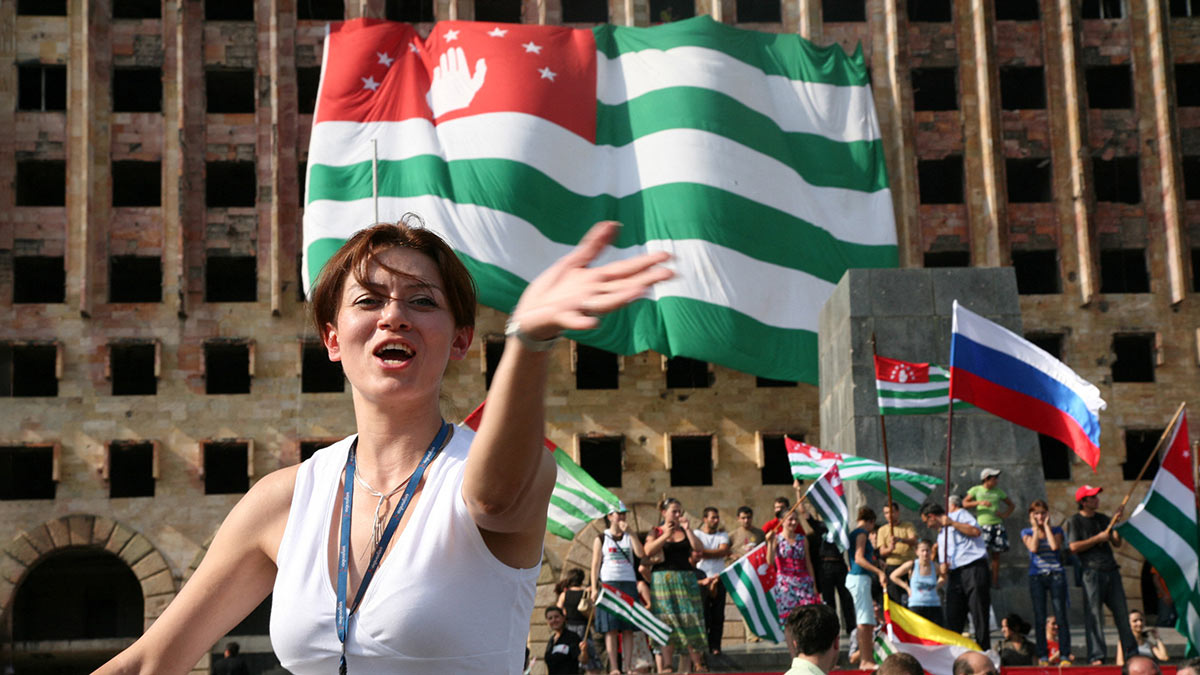
Russia has officially approved
a new socio-economic development program for Abkhazia covering the period from
2026 to 2030. The initiative provides for funding infrastructure projects,
modernizing the energy sector, transport networks and social services, while
further integrating the region's economic mechanisms with the Russian system.
The corresponding decree was signed by Russian President Vladimir Putin.
The new program continues
Moscow's long-term policy of financial support for Abkhazia. Russian funding
has traditionally been allocated to the development of road infrastructure,
healthcare and education facilities, public utilities, salary increases for
public sector employees, pension payments, and the modernization of the energy
sector. According to Russian officials, the program is intended to improve living
standards and create conditions for attracting investment.

In Tbilisi, however, the
decision is viewed as another step toward strengthening Russia's control over
the occupied region. Georgia's Ministry of Foreign Affairs and the country's
Western partners have repeatedly stated that any agreements between Moscow and
the de facto authorities in Abkhazia violate Georgia's sovereignty and
territorial integrity, which are recognized by the international community. The
overwhelming majority of countries continue to regard Abkhazia as part of
Georgia, despite Russia's recognition of the region following the 2008
Russo-Georgian war.
Economic cooperation between
Moscow and Sukhumi has intensified significantly since the signing of the 2020
program aimed at creating a "common socio-economic space," which
envisaged the gradual harmonization of Abkhazia's legislation, tax system,
technical standards, and administrative procedures with Russian regulations. By
2024, Russian officials stated that the legal harmonization process had been
largely completed.
At the same time, the
expansion of Russia's presence has generated debate within Abkhazia itself. In
late 2024, mass protests led to the collapse of the ratification process for an
investment agreement with Russia, which opposition groups argued would grant
excessive privileges to Russian investors and further increase the region's
economic dependence on Moscow. The ensuing political crisis culminated in the
resignation of then-Abkhaz leader Aslan Bzhania.
The
new program suggests that Moscow is shifting from short-term financial
assistance toward the long-term institutional integration of Abkhazia. Beyond
financing social and infrastructure projects, Russia continues to deepen the
region's economic and administrative ties with its own state institutions. This
process is likely to reduce the autonomy of the de facto authorities while
making Abkhazia's economy increasingly dependent on the Russian federal budget.
Georgian
experts view the approval of the program as evidence of the continued status
quo around Abkhazia and the absence of any indication that Moscow is prepared
to reconsider its policy toward the occupied territories. Against the backdrop
of the stalled Geneva International Discussions, Russia continues to consolidate
its influence through economic instruments alongside its longstanding military
presence.
At the same time, Moscow appears intent on minimizing the risk of renewed instability in Abkhazia following the political crisis of 2024. The new financial commitments could serve as a tool to support the region's socio-economic stability and reinforce the loyalty of local elites. However, persistent skepticism among parts of Abkhaz society toward expanding Russian economic influence could once again become a source of political tensions.
CCBS Expert Group


 Latest news
Latest news
Latest newsGeorgia’s Constitutional Court Continues Case on Banning Opposition Parties: Political Pluralism at Stake
12.Oct.2026
Azerbaijan and Iran Step Up Security Contacts Amid Hijab Protests
12.Oct.2026
Personnel Shortages Complicate Ukrainian Forces’ Rotation: Ukraine Faces Long-Term Challenges on the Front Line
11.Oct.2026
Trump Eases Sanctions on Russian Fuel After Talks with Putin: Kyiv Fears Boost to Moscow’s War Revenues
10.Oct.2026
Putin Seeks to Strengthen Russia’s Influence in the Post-Soviet Space Through the CIS
10.Oct.2026
Russia and the South Caucasus: External Pressure, Political Competition and a Crisis of Trust
10.Oct.2026
Peaceful Settlement Between Armenia and Azerbaijan: Moving from Declarations to Implementation
10.Oct.2026
Moldova Ready to Accept as Many Ukrainians as Necessary if Situation Worsens This Winter
09.Oct.2026
Turkmenistan Turns Avaza into a Regional Diplomatic Hub as Caspian, Central Asian and CIS Agendas Converge
08.Oct.2026
Romania Scrambles Spanish F-18s After Aerial Targets Detected Near Ukrainian Border
07.Oct.2026
Berlin Deepens Defence Partnership with Kyiv: Germany to Provide Ukraine with €1 Billion in Military Aid
07.Oct.2026
European Parliament Against Georgian Dream: EU Prepares New Response to Tbilisi
06.Oct.2026
Bulgarian Foreign Minister to Discuss European Security and International Law in the Netherlands
05.Oct.2026
Rheinmetall in Bulgaria: Sofia Emerges as a New NATO Defence-Industrial Hub in the Balkans
05.Oct.2026
The Cost of a Long War: Moscow Expands Spending Plans Through 2029
05.Oct.2026