
 13 Oct 2026









Romania Prepares Emergency Measures to Keep Cernavodă Nuclear Power Plant Operational Amid Record Low Danube Water Levels
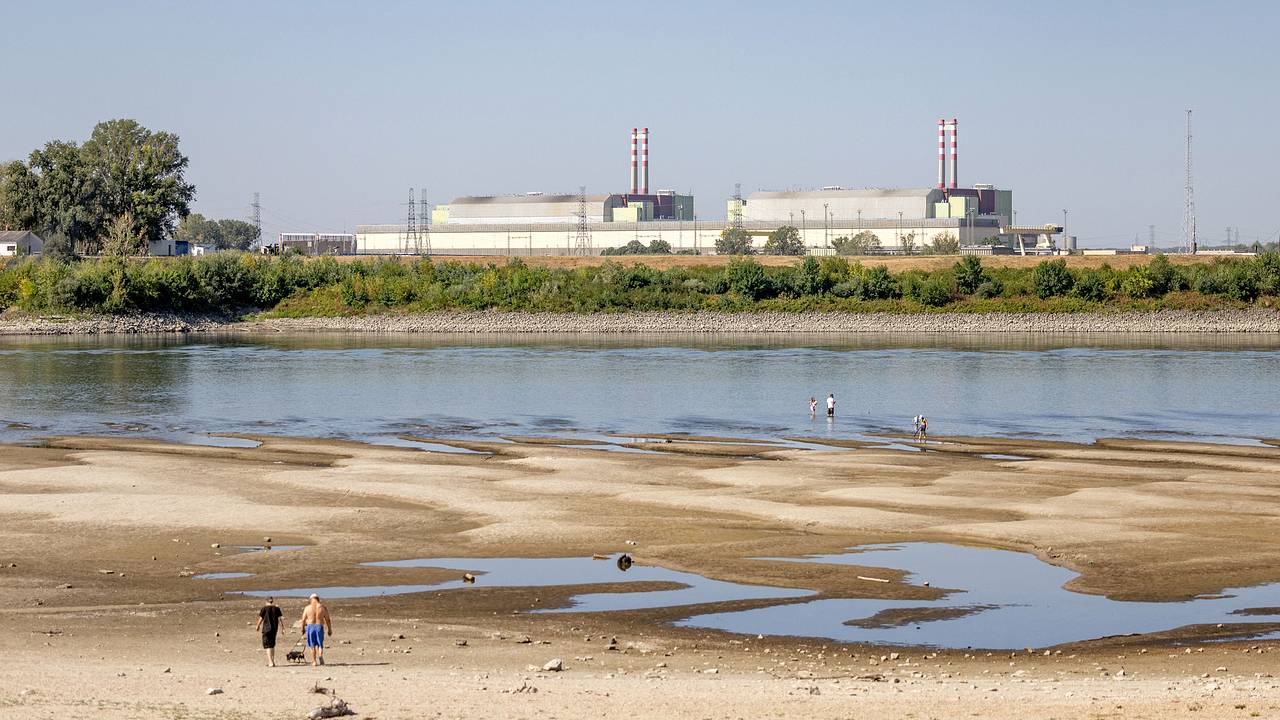
Romania
is preparing to implement an emergency engineering project on the Danube River
to ensure the continued operation of the Cernavodă Nuclear Power Plant, which
generates around 20% of the country's electricity. Due to severe drought and
record-low water levels, the authorities plan to sink four stone-filled barges
to alter the river's flow and increase the volume of water reaching the plant's
cooling water intake.
The
crisis has been caused by prolonged heat and an almost complete lack of
rainfall across the Danube basin. Water discharge in the river has fallen to
approximately one-third of the average level for August, putting the cooling
system of the Cernavodă reactors at risk. One of the plant's two reactors has
already been taken offline for scheduled maintenance, while the remaining
reactor could also be forced to shut down if water levels continue to decline.

Romania Blasts
Rock Formation in the Danube to Save the Cernavodă Nuclear Power Plant
Romanian
authorities have already carried out controlled blasting operations in the Bala
Channel, removing a rocky obstacle to redirect additional water into the main
course of the Danube. The next phase involves sinking four barges loaded with
stone to create an artificial barrier that will increase the volume of water
reaching the nuclear plant's cooling system. The operation was initially
scheduled for August 6 but was postponed due to unsafe conditions. According to
specialists, the measure could extend the remaining reactor's operation by
approximately 9–10 days, compared with only 5–6 days without intervention.
Romania's
acting Prime Minister has declared a heightened state of alert in the energy
sector and urged households, public institutions, and businesses to reduce
electricity consumption during peak hours. The government has also warned that
temporary restrictions on electricity use for large industrial consumers may be
introduced if the situation deteriorates.
The situation highlights the broader
impact of drought across Central and Southeastern Europe. Low water levels on
the Danube are already disrupting navigation, reducing hydroelectric power
generation, and creating risks for the region's energy security. Similar
challenges are being faced by Hungary, Serbia, and Bulgaria, where the shrinking
water levels of one of Europe's largest rivers are affecting both transport
infrastructure and electricity production.


 Latest news
Latest news
Latest newsGeorgia’s Constitutional Court Continues Case on Banning Opposition Parties: Political Pluralism at Stake
12.Oct.2026
Azerbaijan and Iran Step Up Security Contacts Amid Hijab Protests
12.Oct.2026
Personnel Shortages Complicate Ukrainian Forces’ Rotation: Ukraine Faces Long-Term Challenges on the Front Line
11.Oct.2026
Trump Eases Sanctions on Russian Fuel After Talks with Putin: Kyiv Fears Boost to Moscow’s War Revenues
10.Oct.2026
Putin Seeks to Strengthen Russia’s Influence in the Post-Soviet Space Through the CIS
10.Oct.2026
Russia and the South Caucasus: External Pressure, Political Competition and a Crisis of Trust
10.Oct.2026
Peaceful Settlement Between Armenia and Azerbaijan: Moving from Declarations to Implementation
10.Oct.2026
Moldova Ready to Accept as Many Ukrainians as Necessary if Situation Worsens This Winter
09.Oct.2026
Turkmenistan Turns Avaza into a Regional Diplomatic Hub as Caspian, Central Asian and CIS Agendas Converge
08.Oct.2026
Romania Scrambles Spanish F-18s After Aerial Targets Detected Near Ukrainian Border
07.Oct.2026
Berlin Deepens Defence Partnership with Kyiv: Germany to Provide Ukraine with €1 Billion in Military Aid
07.Oct.2026
European Parliament Against Georgian Dream: EU Prepares New Response to Tbilisi
06.Oct.2026
Bulgarian Foreign Minister to Discuss European Security and International Law in the Netherlands
05.Oct.2026
Rheinmetall in Bulgaria: Sofia Emerges as a New NATO Defence-Industrial Hub in the Balkans
05.Oct.2026
The Cost of a Long War: Moscow Expands Spending Plans Through 2029
05.Oct.2026