
 13 Oct 2026









Kazakhstan New Constitution: Strengthening Parliament or Creating a New Power Vertical? — Analysis by Andrey Chebotaryov
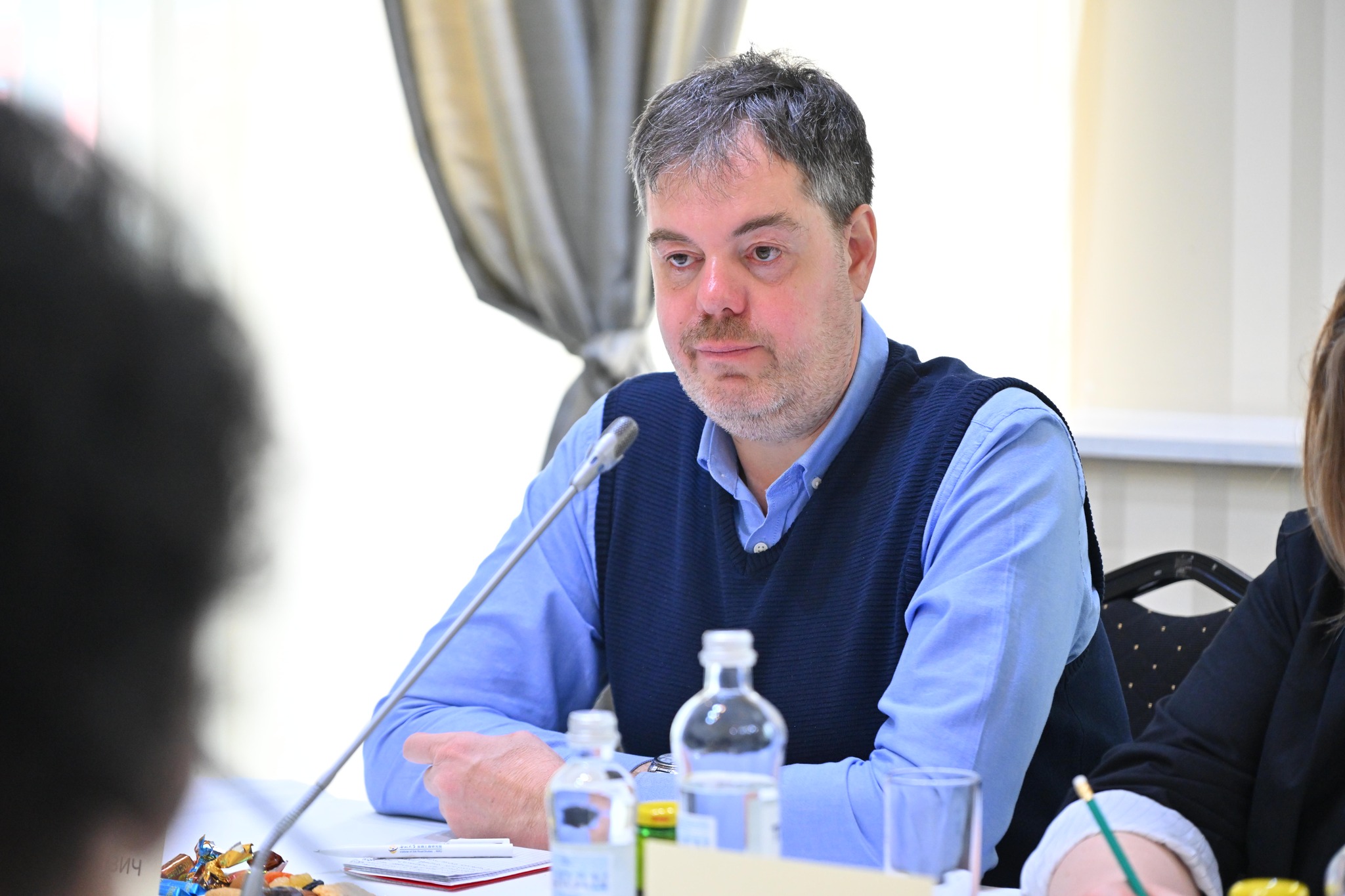
President of Kazakhstan Kassym-Jomart Tokayev is carrying out a large-scale restructuring of the country’s political system aimed at definitively distancing the current model of governance from the political legacy of former President Nursultan Nazarbayev. Political analyst Andrey Chebotaryov said this in an interview.
According to the expert, one of the key elements of the ongoing changes is Kazakhstan’s new Constitution. Chebotaryov views its adoption as a symbolic break with the authoritarian legacy of the Nazarbayev era and an attempt to establish a new institutional foundation for the state.
Among the most significant changes, the expert highlighted restrictions on presidential powers. In particular, the Constitution provides for a single seven-year presidential term. It also introduces a ban on the president’s relatives holding a number of senior government positions.
Significant changes also affect the legislative system. Kazakhstan is expected to move to a unicameral parliament — the Kurultai — while the institution of vice president is also being introduced.
According to Chebotaryov, the constitutional reform is part of a broader political transformation in Kazakhstan. It involves not only changes to state institutions but also the formation of a new political elite.
The restructuring of the party system was another major topic of the interview. The expert noted the merger of the Amanat party, formerly known as Nur Otan, with the Adilet party. In his assessment, the process is linked to the need for further consolidation of political forces and efforts to renew the image of the authorities.
Chebotaryov believes that the authorities are placing greater emphasis on a new generation of managers who are expected to gradually replace representatives of the previous elites. In this sense, the restructuring of the party system is seen as an instrument for political reconfiguration and a generational shift within Kazakhstan’s state administration.
At the same time, Kazakhstan continues to pursue a cautious foreign policy amid the Russia-Ukraine conflict. According to the political analyst, Astana maintains an official position of neutrality despite its alliance commitments to Moscow.
Meanwhile, one of the most serious challenges facing Kazakhstan remains economic security, particularly the stability of its oil exports.
Chebotaryov highlighted risks associated with the Caspian Pipeline Consortium (CPC), through which a significant share of Kazakhstan’s oil exports is transported. Potential disruptions to the operation of this route could have a substantial impact on the country’s economy.
Against this backdrop, Kazakhstan is seeking to diversify its export routes, including through the Caspian Sea and the further use of infrastructure in Azerbaijan. However, according to the expert, the implementation of this strategy continues to face a number of limitations.
These include an insufficient tanker fleet and infrastructure problems at Kazakhstan’s ports of Aktau and Kuryk. These factors currently limit the country’s ability to rapidly increase the volume of oil exports through alternative routes.
Thus, according to Chebotaryov, Kazakhstan is simultaneously undergoing a large-scale political transformation and facing the need to adapt its economic model to new external risks. The renewal of state institutions, the change of political elites, the maintenance of a foreign-policy balance, and the diversification of oil exports are becoming key elements of the country’s new political reality.


 Latest news
Latest news
Latest newsGeorgia’s Constitutional Court Continues Case on Banning Opposition Parties: Political Pluralism at Stake
12.Oct.2026
Azerbaijan and Iran Step Up Security Contacts Amid Hijab Protests
12.Oct.2026
Personnel Shortages Complicate Ukrainian Forces’ Rotation: Ukraine Faces Long-Term Challenges on the Front Line
11.Oct.2026
Trump Eases Sanctions on Russian Fuel After Talks with Putin: Kyiv Fears Boost to Moscow’s War Revenues
10.Oct.2026
Putin Seeks to Strengthen Russia’s Influence in the Post-Soviet Space Through the CIS
10.Oct.2026
Russia and the South Caucasus: External Pressure, Political Competition and a Crisis of Trust
10.Oct.2026
Peaceful Settlement Between Armenia and Azerbaijan: Moving from Declarations to Implementation
10.Oct.2026
Moldova Ready to Accept as Many Ukrainians as Necessary if Situation Worsens This Winter
09.Oct.2026
Turkmenistan Turns Avaza into a Regional Diplomatic Hub as Caspian, Central Asian and CIS Agendas Converge
08.Oct.2026
Romania Scrambles Spanish F-18s After Aerial Targets Detected Near Ukrainian Border
07.Oct.2026
Berlin Deepens Defence Partnership with Kyiv: Germany to Provide Ukraine with €1 Billion in Military Aid
07.Oct.2026
European Parliament Against Georgian Dream: EU Prepares New Response to Tbilisi
06.Oct.2026
Bulgarian Foreign Minister to Discuss European Security and International Law in the Netherlands
05.Oct.2026
Rheinmetall in Bulgaria: Sofia Emerges as a New NATO Defence-Industrial Hub in the Balkans
05.Oct.2026
The Cost of a Long War: Moscow Expands Spending Plans Through 2029
05.Oct.2026