
 13 Oct 2026









- ending
the blockade and lifting restrictions on Iranian ports;
- lifting
oil sanctions;
- unfreezing
Iranian assets;
- ending
US military threats and operations against Iran.
- The risk of further military escalation is
increasing. Iran’s shift toward a “fully offensive” strategy suggests that Tehran may view
military action as a means of forcing Washington to make concessions. At the
same time, any new attack against US, Israeli, or affiliated targets could
trigger a retaliatory response from the United States.
- The Strait of Hormuz is becoming a lever not only
for Iran but for the entire regional confrontation. The longer restrictions on maritime
traffic remain in place, the greater the economic cost of the conflict for
global markets.
- Oman’s role is becoming increasingly important. Muscat is seeking to preserve its
role as a mediator and is involved in discussions over a mechanism for
regulating maritime traffic through the Strait of Hormuz. However, pressure
from both the United States and Iran limits Oman’s room for independent
maneuver.
- The nuclear issue remains the central obstacle. The original 60-day agreement
envisaged further negotiations, including on Iran’s nuclear program. The United
States is seeking restrictions on Iran’s nuclear and missile capabilities,
while Tehran is demanding economic and political guarantees.
Tehran Threatens a New Round of War After Talks With the US Collapse
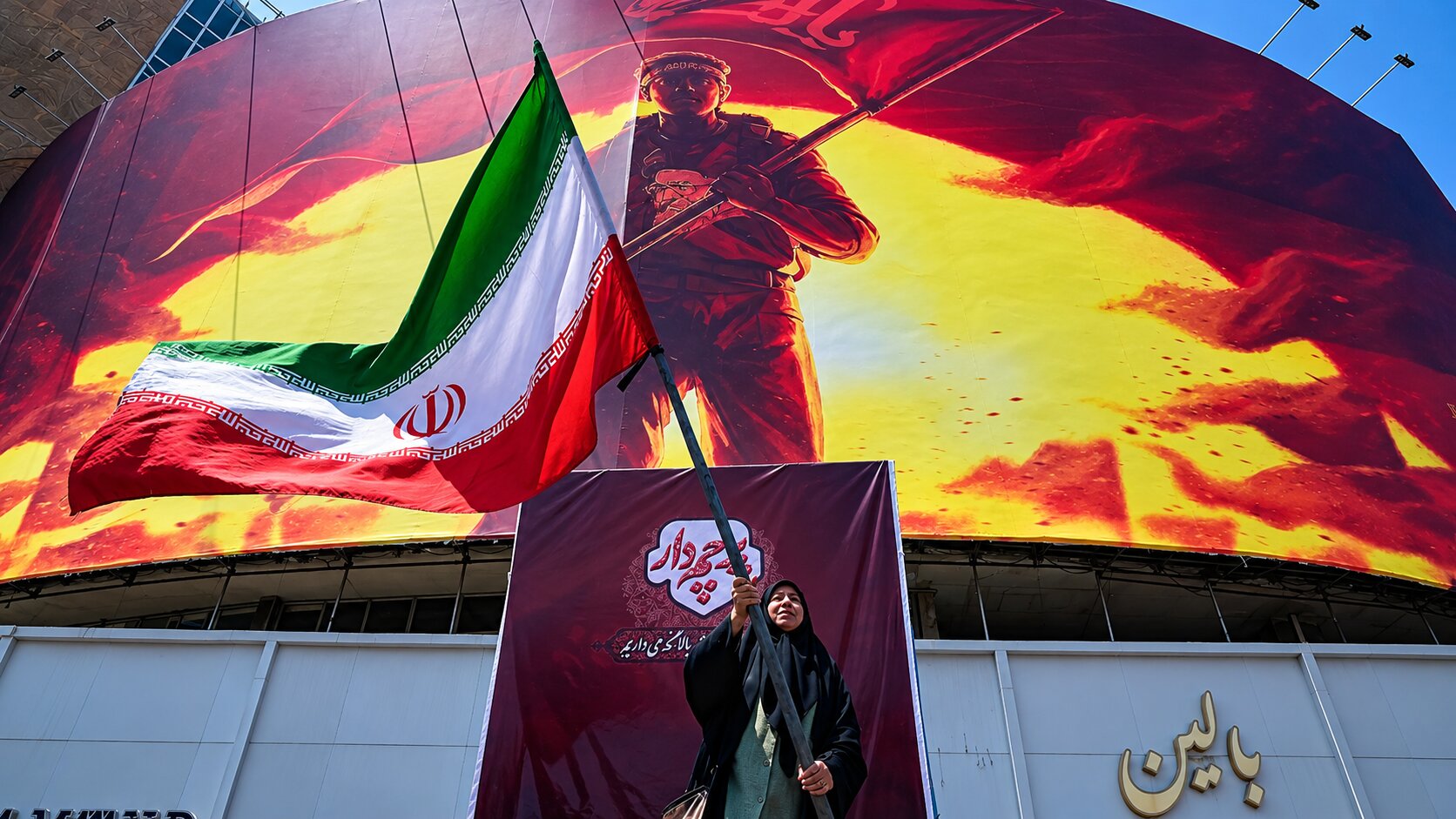
Tehran
is warning that it may shift to a “fully
offensive” military strategy following the expiration of the 60-day
period stipulated in the June agreement with Washington. The United States has
refused to automatically extend the arrangements, while Iran is linking the
reopening of the Strait of Hormuz to the fulfillment of a number of conditions
by Washington. The escalation is creating new risks for global energy markets
and increasing the likelihood of further regional conflict.
The
60-day period stipulated in the interim agreement reached between Iran and the
United States in June has expired without a final deal. The negotiations have
primarily stalled over disagreements regarding Iran’s nuclear program,
sanctions, the US blockade, and the status of the Strait of Hormuz.
Against
this backdrop, Washington is not prepared to automatically extend the existing
arrangements. Tehran, for its part, is increasingly linking further diplomatic
engagement to the implementation of the conditions outlined in the June
agreement.
One
of the most alarming signals came from a senior Iranian official, who said that
Iran intends to shift from a predominantly defensive posture to a “fully offensive” strategy. According
to Reuters, the decision is linked to the lack of progress in
negotiations with the United States on a permanent cessation of the conflict.
The
statement from Tehran therefore carries not only military but also diplomatic
significance. Iran is effectively seeking to raise the cost of continued US
pressure while demonstrating its readiness to use available military and
regional instruments of influence.
At
the same time, a shift toward a more offensive strategy does not necessarily
mean that Iran is preparing to launch an immediate large-scale military
operation. At this stage, it can also be viewed as an instrument of pressure
ahead of a possible resumption of negotiations.
However,
the problem is that the room for diplomatic maneuver is becoming increasingly
limited. The two sides are publicly presenting opposing demands and accusing
each other of violating the initial arrangements.
On
August 18, Iran said that the Strait of
Hormuz would remain closed until the United States fulfills the conditions of
the interim agreement. The statement was made by Iranian negotiator
Mohammad-Bagher Ghalibaf.
Tehran’s
demands reportedly include:
Thus,
for Tehran, the issue of the Strait of Hormuz has become part of a broader set
of political and economic demands directed at Washington.
Iran
has also previously stated that an agreement with Oman on organizing maritime
traffic through the strait is nearing completion. However, Tehran stresses that
an agreement with Muscat does not automatically mean that the strait will be
reopened. According to Iran, the United States must first fulfill other
conditions.
It
should be noted that the Strait of
Hormuz is of critical importance to global energy markets. Before the
current crisis, enormous volumes of oil and petroleum products passed through
the strategic waterway. Maritime traffic through the strait has now fallen
sharply. Oil shipments through the strait have reportedly declined from
approximately 18 million barrels per
day to around 2 million barrels per day. Overall oil exports from the
Middle East have also fallen significantly below pre-war levels.
This
makes the Strait of Hormuz not merely a military or geopolitical issue, but one
of the most important factors affecting the global economy. Any new attack on
tankers or further restrictions on maritime traffic could drive up oil prices,
increase transportation costs, and intensify inflationary pressures on
countries dependent on imported energy.
The
main problem at this stage is that both
sides believe the other must make the first move. Iran is demanding that
the United States fulfill the terms of the interim agreement, including lifting
the blockade, unfreezing Iranian assets, and ending military threats.
Washington, by contrast, accuses Tehran of failing to meet its obligations
regarding the reopening of the Strait of Hormuz and continues to exert economic
and military pressure on Iran.
On
August 9, Iranian Foreign Minister Abbas Araghchi said that direct negotiations
with the United States were impossible as long as Washington continued to violate
the terms of the interim agreement. At the same time, communication between the
two sides continues through intermediaries. This means that the diplomatic
channel has not completely disappeared, but full-fledged negotiations are
effectively frozen.
The
current situation has several important implications:
The
expiration of the 60-day period has become a major turning point in the
confrontation between Iran and the United States. Instead of moving toward a
long-term political agreement, the two sides have entered a new period of
uncertainty: Tehran is intensifying its military rhetoric and using the Strait
of Hormuz as its main lever of pressure, while Washington is refusing to accept
the previous terms and continues to seek concessions from Iran.
The
main risk is that the Strait of Hormuz is gradually transforming from one
element of the conflict into its central pressure point. If diplomacy is not
restored, any new confrontation over maritime traffic could have consequences
far beyond Iran and the Persian Gulf — from higher global oil prices to a new
wave of geopolitical tensions.


 Latest news
Latest news
Latest newsGeorgia’s Constitutional Court Continues Case on Banning Opposition Parties: Political Pluralism at Stake
12.Oct.2026
Azerbaijan and Iran Step Up Security Contacts Amid Hijab Protests
12.Oct.2026
Personnel Shortages Complicate Ukrainian Forces’ Rotation: Ukraine Faces Long-Term Challenges on the Front Line
11.Oct.2026
Trump Eases Sanctions on Russian Fuel After Talks with Putin: Kyiv Fears Boost to Moscow’s War Revenues
10.Oct.2026
Putin Seeks to Strengthen Russia’s Influence in the Post-Soviet Space Through the CIS
10.Oct.2026
Russia and the South Caucasus: External Pressure, Political Competition and a Crisis of Trust
10.Oct.2026
Peaceful Settlement Between Armenia and Azerbaijan: Moving from Declarations to Implementation
10.Oct.2026
Moldova Ready to Accept as Many Ukrainians as Necessary if Situation Worsens This Winter
09.Oct.2026
Turkmenistan Turns Avaza into a Regional Diplomatic Hub as Caspian, Central Asian and CIS Agendas Converge
08.Oct.2026
Romania Scrambles Spanish F-18s After Aerial Targets Detected Near Ukrainian Border
07.Oct.2026
Berlin Deepens Defence Partnership with Kyiv: Germany to Provide Ukraine with €1 Billion in Military Aid
07.Oct.2026
European Parliament Against Georgian Dream: EU Prepares New Response to Tbilisi
06.Oct.2026
Bulgarian Foreign Minister to Discuss European Security and International Law in the Netherlands
05.Oct.2026
Rheinmetall in Bulgaria: Sofia Emerges as a New NATO Defence-Industrial Hub in the Balkans
05.Oct.2026
The Cost of a Long War: Moscow Expands Spending Plans Through 2029
05.Oct.2026