
 13 Oct 2026









Record Supplies: Armenia Boosts Fish Exports to Georgia
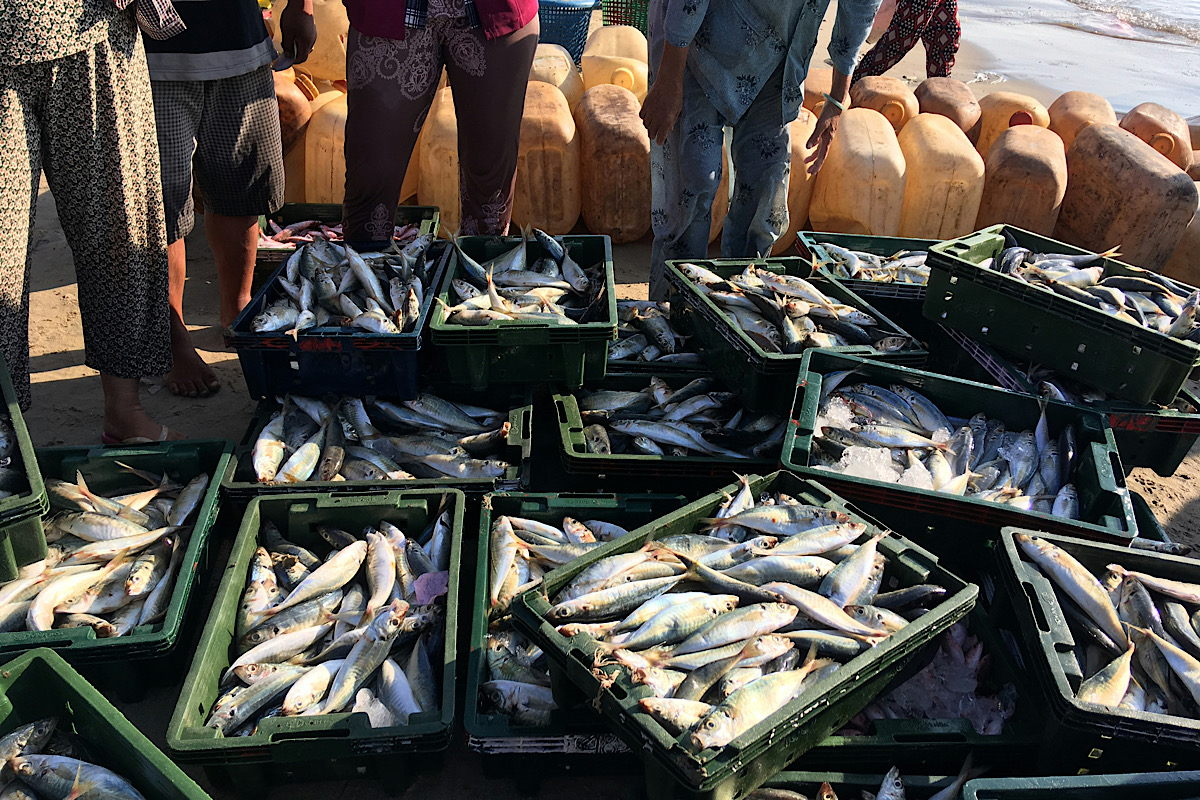
Imports of live fish from Armenia to Georgia reached a historic high in the first half of 2026. From January to June, Georgia imported 18 tonnes of live fish worth a total of $543,800 — the highest figure since 2009, when Georgia’s National Statistics Office, Geostat, began keeping the relevant records.
Armenia became the undisputed leader among suppliers, accounting for around 82% of Georgia’s total live fish imports. In value terms, supplies from Armenia amounted to approximately $210,000, while the physical volume reached about 15 tonnes. By comparison, Belgium ranked second, with supplies worth $193,500, although their volume amounted to only 1.2 tonnes.
The market dynamics are particularly striking compared with the previous year. Between January and June 2025, Georgia imported less than 2 tonnes of live fish worth $37,200. As a result, the physical volume of imports increased by approximately 916.7% year-on-year, or nearly tenfold.
At the same time, the value of the products also increased. The average price per kilogram of imported live fish rose from $20.7 to $29.7, an increase of approximately 43.8%. This indicates that market growth was driven not only by higher supply volumes but also by a shift toward more expensive products.
Armenia’s rapidly growing presence on the Georgian market comes against the backdrop of difficulties with exports of Armenian fish products to Russia, which had previously been the industry’s main foreign market.
According to data published in late June, Armenian producers generated around $79.8 million from fish exports in 2025, of which $78.4 million, or more than 98%, came from the Russian market. Such a high dependence on a single destination made the industry particularly vulnerable to trade restrictions.
Against this backdrop, Georgia has emerged as one of the most accessible alternative markets. Geographic proximity, relatively short logistics routes and existing trade ties allow Armenian producers to redirect part of their output more quickly.
At the end of July, the Armenian Embassy in Georgia announced the successful conclusion of negotiations on bringing Armenian fish products to the Georgian market. The first new shipments of agricultural products, including fish products, were organized on July 27, 29 and 30, while Yerevan announced plans to expand trade with Georgia.

At the same time, the Georgian market is not yet capable of fully compensating Armenian producers for the loss of the Russian market. Even record supplies to Georgia remain incomparable in scale to Armenia’s previous fish exports to Russia.
However, the importance of the Georgian market lies not only in current sales volumes. For Armenian producers, it represents an opportunity to diversify exports, reduce dependence on a single buyer and test demand for their products in a new regional market.
If supplies become regular, Georgia could develop into a stable destination for Armenia’s aquaculture industry, particularly for producers of trout and sturgeon. In addition, successfully meeting veterinary and trade requirements could facilitate access to other foreign markets.
In Georgia itself, the growth in imports has generated mixed reactions among industry representatives. The country’s Aquaculture Development Association has already called for the protection of domestic production and expressed concerns that increased supplies from Armenia could intensify competition for local farms. Industry representatives believe that Georgia needs to simultaneously develop its own production while ensuring compliance with safety and quality standards for imported products.
Thus, the record growth in Armenian fish supplies to Georgia carries broader significance than ordinary foreign trade statistics. It demonstrates how changing conditions in one major export market can rapidly reshape the trade geography of an entire region. More broadly, this trend may become another example of how regional trade ties are gaining greater importance amid the restructuring of traditional export routes in the South Caucasus.


 Latest news
Latest news
Latest newsGeorgia’s Constitutional Court Continues Case on Banning Opposition Parties: Political Pluralism at Stake
12.Oct.2026
Azerbaijan and Iran Step Up Security Contacts Amid Hijab Protests
12.Oct.2026
Personnel Shortages Complicate Ukrainian Forces’ Rotation: Ukraine Faces Long-Term Challenges on the Front Line
11.Oct.2026
Trump Eases Sanctions on Russian Fuel After Talks with Putin: Kyiv Fears Boost to Moscow’s War Revenues
10.Oct.2026
Putin Seeks to Strengthen Russia’s Influence in the Post-Soviet Space Through the CIS
10.Oct.2026
Russia and the South Caucasus: External Pressure, Political Competition and a Crisis of Trust
10.Oct.2026
Peaceful Settlement Between Armenia and Azerbaijan: Moving from Declarations to Implementation
10.Oct.2026
Moldova Ready to Accept as Many Ukrainians as Necessary if Situation Worsens This Winter
09.Oct.2026
Turkmenistan Turns Avaza into a Regional Diplomatic Hub as Caspian, Central Asian and CIS Agendas Converge
08.Oct.2026
Romania Scrambles Spanish F-18s After Aerial Targets Detected Near Ukrainian Border
07.Oct.2026
Berlin Deepens Defence Partnership with Kyiv: Germany to Provide Ukraine with €1 Billion in Military Aid
07.Oct.2026
European Parliament Against Georgian Dream: EU Prepares New Response to Tbilisi
06.Oct.2026
Bulgarian Foreign Minister to Discuss European Security and International Law in the Netherlands
05.Oct.2026
Rheinmetall in Bulgaria: Sofia Emerges as a New NATO Defence-Industrial Hub in the Balkans
05.Oct.2026
The Cost of a Long War: Moscow Expands Spending Plans Through 2029
05.Oct.2026