
 13 Oct 2026









Russia Intensifies Strikes on Ukraine’s Infrastructure, Targeting Warehouses and Logistics Hubs
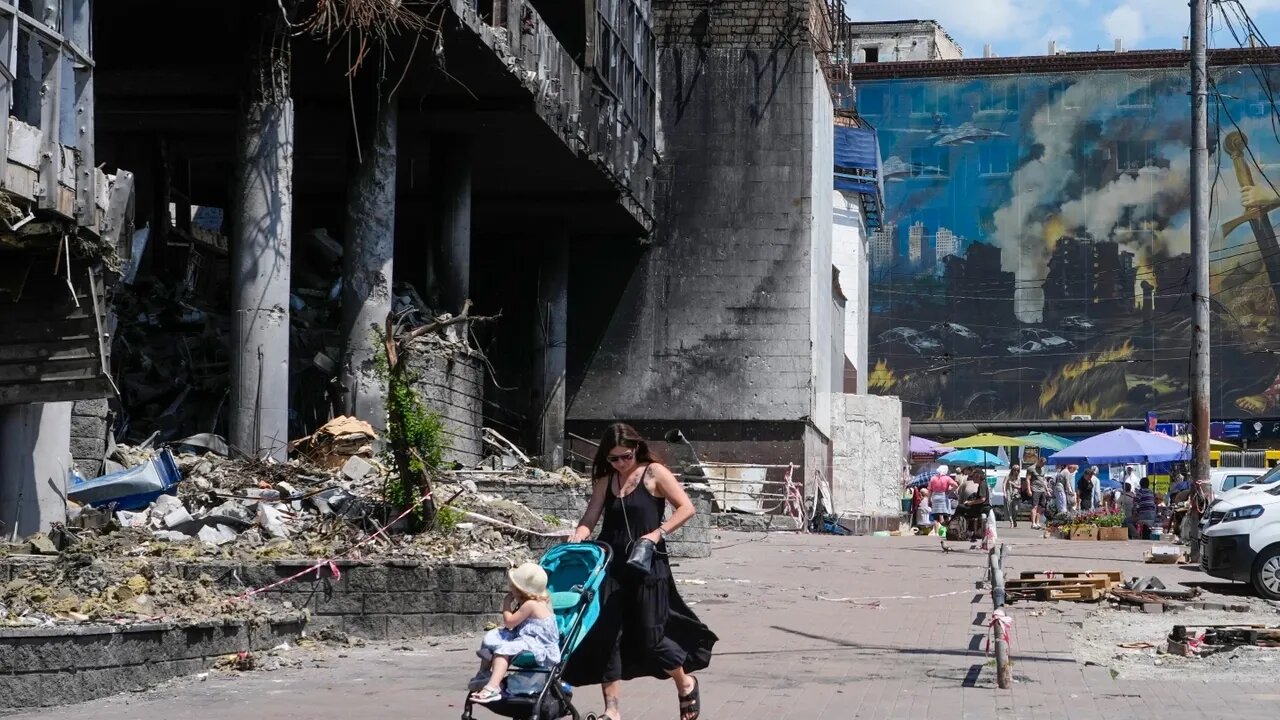
Russia has intensified its strikes on infrastructure targets across Ukraine in recent days. Logistics centers, warehouses, commercial facilities and energy infrastructure have come under attack. Amid the continued airstrikes, Ukrainian authorities and companies have reported significant damage and disruptions to parts of the country’s supply networks.
The logistics sector has been particularly affected. Facilities involved in the storage and transportation of goods have sustained damage, creating additional difficulties for supplies in several regions. Ukrainian authorities have warned that the destruction of infrastructure could undermine the stability of supply chains and lead to local shortages of certain goods.
At the same time, the Kyiv region has come under drone attacks for a second consecutive day. According to local authorities, residential buildings, warehouses, vehicles and other infrastructure facilities were damaged in the strikes. There have also been reports of people killed and injured.
Ukrainian emergency services continue to deal with the aftermath of the attacks and assess the scale of the damage. Emergency repair and recovery work is underway in several areas, while specialists are evaluating the losses inflicted on civilian and critical infrastructure.
The situation remains tense. Ukrainian authorities have not ruled out further attacks and have urged residents to follow safety measures during air raid alerts, while emergency services continue working to eliminate the consequences of the latest strikes.
The latest attacks are part of the continuing campaign against Ukraine’s infrastructure. In the context of the prolonged conflict, strikes on logistics and energy facilities carry particular significance, as their consequences extend beyond the immediate combat zone and affect the functioning of the economy and supply networks.


 Latest news
Latest news
Latest newsGeorgia’s Constitutional Court Continues Case on Banning Opposition Parties: Political Pluralism at Stake
12.Oct.2026
Azerbaijan and Iran Step Up Security Contacts Amid Hijab Protests
12.Oct.2026
Personnel Shortages Complicate Ukrainian Forces’ Rotation: Ukraine Faces Long-Term Challenges on the Front Line
11.Oct.2026
Trump Eases Sanctions on Russian Fuel After Talks with Putin: Kyiv Fears Boost to Moscow’s War Revenues
10.Oct.2026
Putin Seeks to Strengthen Russia’s Influence in the Post-Soviet Space Through the CIS
10.Oct.2026
Russia and the South Caucasus: External Pressure, Political Competition and a Crisis of Trust
10.Oct.2026
Peaceful Settlement Between Armenia and Azerbaijan: Moving from Declarations to Implementation
10.Oct.2026
Moldova Ready to Accept as Many Ukrainians as Necessary if Situation Worsens This Winter
09.Oct.2026
Turkmenistan Turns Avaza into a Regional Diplomatic Hub as Caspian, Central Asian and CIS Agendas Converge
08.Oct.2026
Romania Scrambles Spanish F-18s After Aerial Targets Detected Near Ukrainian Border
07.Oct.2026
Berlin Deepens Defence Partnership with Kyiv: Germany to Provide Ukraine with €1 Billion in Military Aid
07.Oct.2026
European Parliament Against Georgian Dream: EU Prepares New Response to Tbilisi
06.Oct.2026
Bulgarian Foreign Minister to Discuss European Security and International Law in the Netherlands
05.Oct.2026
Rheinmetall in Bulgaria: Sofia Emerges as a New NATO Defence-Industrial Hub in the Balkans
05.Oct.2026
The Cost of a Long War: Moscow Expands Spending Plans Through 2029
05.Oct.2026