
 13 Oct 2026









Ukraine and Iran Agree to Keep Communication Channels Open Amid Diplomatic Tensions
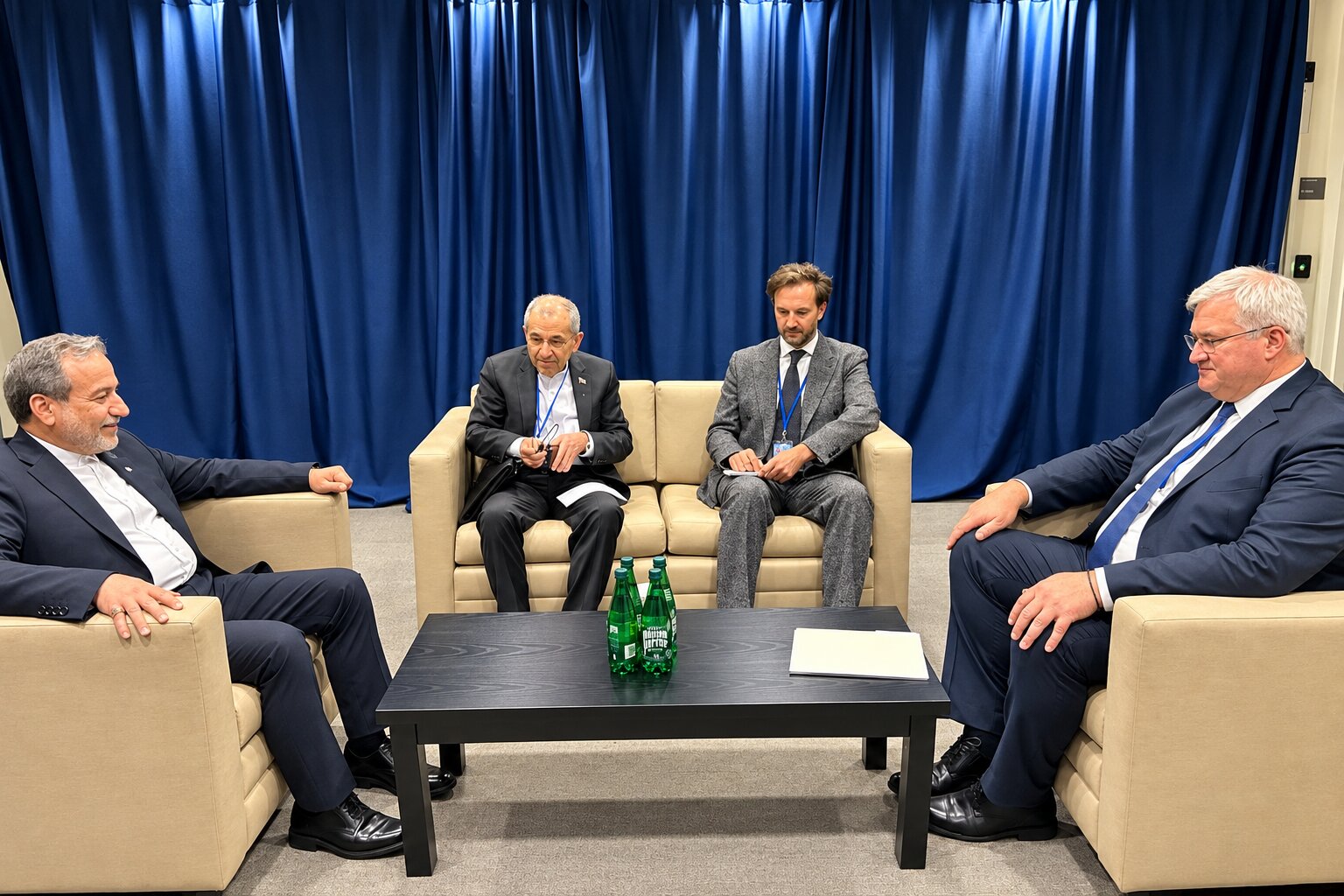
Ukrainian Foreign Minister
Andrii Sybiha and Iranian Foreign Minister Abbas Araghchi held a meeting in New
York on September 23 on the sidelines of the 81st session of the United Nations
General Assembly. The talks focused on possible steps to prevent further
deterioration in relations between the two countries. According to the
Ukrainian foreign minister, the sides agreed to maintain existing communication
channels despite ongoing disagreements.
Sybiha said the meeting
followed a telephone conversation between the two diplomats in July. At that
time, the sides discussed the consequences of a Ukrainian drone strike on a
vessel transporting military cargo between Russia and Iran. One sailor was
killed and another injured in the incident. Iran condemned the attack and
described it as an act of aggression, while Kyiv stated that Russia bears
responsibility for the war and its consequences.
“Diplomacy is about direct dialogue, even in difficult circumstances”, Sybiha said while commenting on the talks.
The foreign ministers also
exchanged views on developments in the Middle East and Europe, as well as
various ongoing peace efforts. The Ukrainian minister reaffirmed Kyiv’s
position in support of the swift restoration of peace and stability in both
regions.
Relations between Ukraine and
Iran remain strained, particularly due to Tehran’s military cooperation with
Moscow. Throughout the Russian-Ukrainian war, Russian armed forces have
repeatedly used Iranian-designed drones to strike Ukrainian cities, military
targets, and critical infrastructure.
Against this backdrop, Kyiv
has previously called on Tehran to end its military support for Russia. At the
same time, Ukraine has been developing its own technologies to counter drone
threats and offering relevant expertise to Middle Eastern countries.
The meeting did not result in
the announcement of formal agreements or changes in the parties’ positions on
key issues. Nevertheless, maintaining direct diplomatic dialogue could serve as
a mechanism for preventing new incidents and limiting further escalation
between Kyiv and Tehran.


 Latest news
Latest news
Latest newsGeorgia’s Constitutional Court Continues Case on Banning Opposition Parties: Political Pluralism at Stake
12.Oct.2026
Azerbaijan and Iran Step Up Security Contacts Amid Hijab Protests
12.Oct.2026
Personnel Shortages Complicate Ukrainian Forces’ Rotation: Ukraine Faces Long-Term Challenges on the Front Line
11.Oct.2026
Trump Eases Sanctions on Russian Fuel After Talks with Putin: Kyiv Fears Boost to Moscow’s War Revenues
10.Oct.2026
Putin Seeks to Strengthen Russia’s Influence in the Post-Soviet Space Through the CIS
10.Oct.2026
Russia and the South Caucasus: External Pressure, Political Competition and a Crisis of Trust
10.Oct.2026
Peaceful Settlement Between Armenia and Azerbaijan: Moving from Declarations to Implementation
10.Oct.2026
Moldova Ready to Accept as Many Ukrainians as Necessary if Situation Worsens This Winter
09.Oct.2026
Turkmenistan Turns Avaza into a Regional Diplomatic Hub as Caspian, Central Asian and CIS Agendas Converge
08.Oct.2026
Romania Scrambles Spanish F-18s After Aerial Targets Detected Near Ukrainian Border
07.Oct.2026
Berlin Deepens Defence Partnership with Kyiv: Germany to Provide Ukraine with €1 Billion in Military Aid
07.Oct.2026
European Parliament Against Georgian Dream: EU Prepares New Response to Tbilisi
06.Oct.2026
Bulgarian Foreign Minister to Discuss European Security and International Law in the Netherlands
05.Oct.2026
Rheinmetall in Bulgaria: Sofia Emerges as a New NATO Defence-Industrial Hub in the Balkans
05.Oct.2026
The Cost of a Long War: Moscow Expands Spending Plans Through 2029
05.Oct.2026