
 13 Oct 2026









Drone Enters Romanian Airspace and Crashes in Suceava County
Bucharest once again activated
its public warning system after a drone violated Romanian airspace. The
incident occurred on the morning of September 24, amid continued attacks on
Ukrainian territory near the Romanian border.
On the morning of September
24, the radar system of Romania’s Ministry of National Defence detected an
aerial target that was located on Ukrainian territory near the Romanian border,
in the northern part of Botoșani County. According to the Romanian Ministry of
Defence, the target subsequently crossed the border and entered Romanian
airspace.
To monitor the situation, two
Romanian Air Force F-16 fighter jets were scrambled from Borcea Air Base. The
aircraft were on standby as part of the country’s air-policing mission. The
National Military Command Centre notified the civil protection authorities,
after which a RO-Alert warning was sent at 06:26 to residents of Botoșani and
Suceava counties.
According to subsequent
information from the Ministry of Defence, the drone remained in Romanian
airspace for approximately four minutes before crashing near the town of Solca
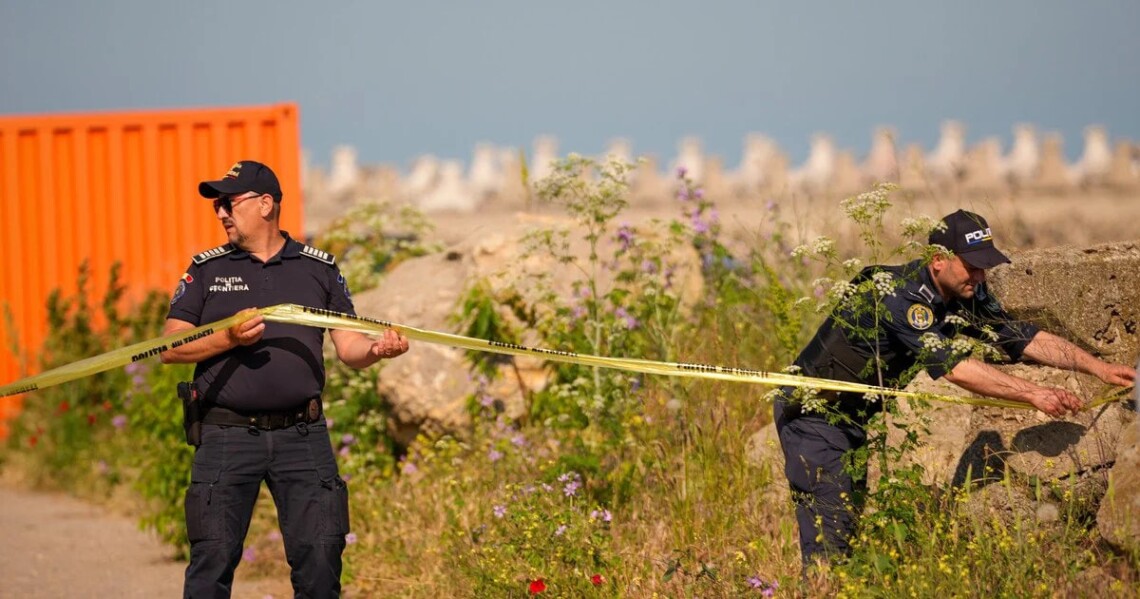
in Suceava County. Ministry of Internal Affairs personnel cordoned off the crash
site and found a small unmanned aerial vehicle. There were no fires, casualties
or material damage reported.
At 07:21, an IAR-330 SOCAT
helicopter was scrambled from Bacău Air Base to provide additional monitoring
of the area. Romanian authorities continued to examine the crash site and
clarify the circumstances of the incident.
The incident in Suceava
occurred almost simultaneously with another air alert. During the night of
September 23–24, Romanian radar systems detected a group of aerial targets
north of Chilia Veche, on Ukrainian territory near the Romanian border. Two
Spanish F-18 fighter jets participating in NATO’s enhanced air-policing mission
were scrambled from Mihail Kogălniceanu Air Base to monitor the situation. At
04:41, a RO-Alert message was sent to residents in northern Tulcea County,
while the alert was lifted at 05:44.
The latest incidents have
renewed attention to Romania’s readiness to counter the growing drone threat.
On September 23, Romanian President Nicușor Dan said that the country had
significantly improved its ability to respond to such threats, including
through US assistance and equipment designed to detect and intercept drones. At
the same time, the president acknowledged that Romania is still not fully
prepared to deal with a large-scale drone threat.
According to Dan, the
challenge is relatively new not only for Romania but also for other countries.
The president said that Washington is supporting Bucharest in developing
capabilities to detect and destroy drones, while stressing the need for
European countries to further strengthen their defence capabilities.
In his address to the United
Nations General Assembly on September 23, Dan also said that Romania is
directly experiencing the consequences of the war in Ukraine due to repeated
violations of its airspace. He described Black Sea security as one of the key
elements of regional stability and said that Romania, Bulgaria and Turkiye are
working together on mine countermeasures in the Black Sea and the protection of
critical underwater infrastructure.
The latest drone incursion
into Romanian airspace demonstrates the continuing pressure on the country’s
air-surveillance system. For Bucharest, the issue is particularly significant
as Romania is a NATO member on the Alliance’s eastern flank and shares a border
with Ukraine. Repeated aerial incidents require both stronger national
capabilities to detect and counter drones and continued coordination with NATO
allies.


 Latest news
Latest news
Latest newsGeorgia’s Constitutional Court Continues Case on Banning Opposition Parties: Political Pluralism at Stake
12.Oct.2026
Azerbaijan and Iran Step Up Security Contacts Amid Hijab Protests
12.Oct.2026
Personnel Shortages Complicate Ukrainian Forces’ Rotation: Ukraine Faces Long-Term Challenges on the Front Line
11.Oct.2026
Trump Eases Sanctions on Russian Fuel After Talks with Putin: Kyiv Fears Boost to Moscow’s War Revenues
10.Oct.2026
Putin Seeks to Strengthen Russia’s Influence in the Post-Soviet Space Through the CIS
10.Oct.2026
Russia and the South Caucasus: External Pressure, Political Competition and a Crisis of Trust
10.Oct.2026
Peaceful Settlement Between Armenia and Azerbaijan: Moving from Declarations to Implementation
10.Oct.2026
Moldova Ready to Accept as Many Ukrainians as Necessary if Situation Worsens This Winter
09.Oct.2026
Turkmenistan Turns Avaza into a Regional Diplomatic Hub as Caspian, Central Asian and CIS Agendas Converge
08.Oct.2026
Romania Scrambles Spanish F-18s After Aerial Targets Detected Near Ukrainian Border
07.Oct.2026
Berlin Deepens Defence Partnership with Kyiv: Germany to Provide Ukraine with €1 Billion in Military Aid
07.Oct.2026
European Parliament Against Georgian Dream: EU Prepares New Response to Tbilisi
06.Oct.2026
Bulgarian Foreign Minister to Discuss European Security and International Law in the Netherlands
05.Oct.2026
Rheinmetall in Bulgaria: Sofia Emerges as a New NATO Defence-Industrial Hub in the Balkans
05.Oct.2026
The Cost of a Long War: Moscow Expands Spending Plans Through 2029
05.Oct.2026