
 13 Oct 2026









Bulgaria Continues to Diversify Nuclear Fuel Supplies for Kozloduy NPP
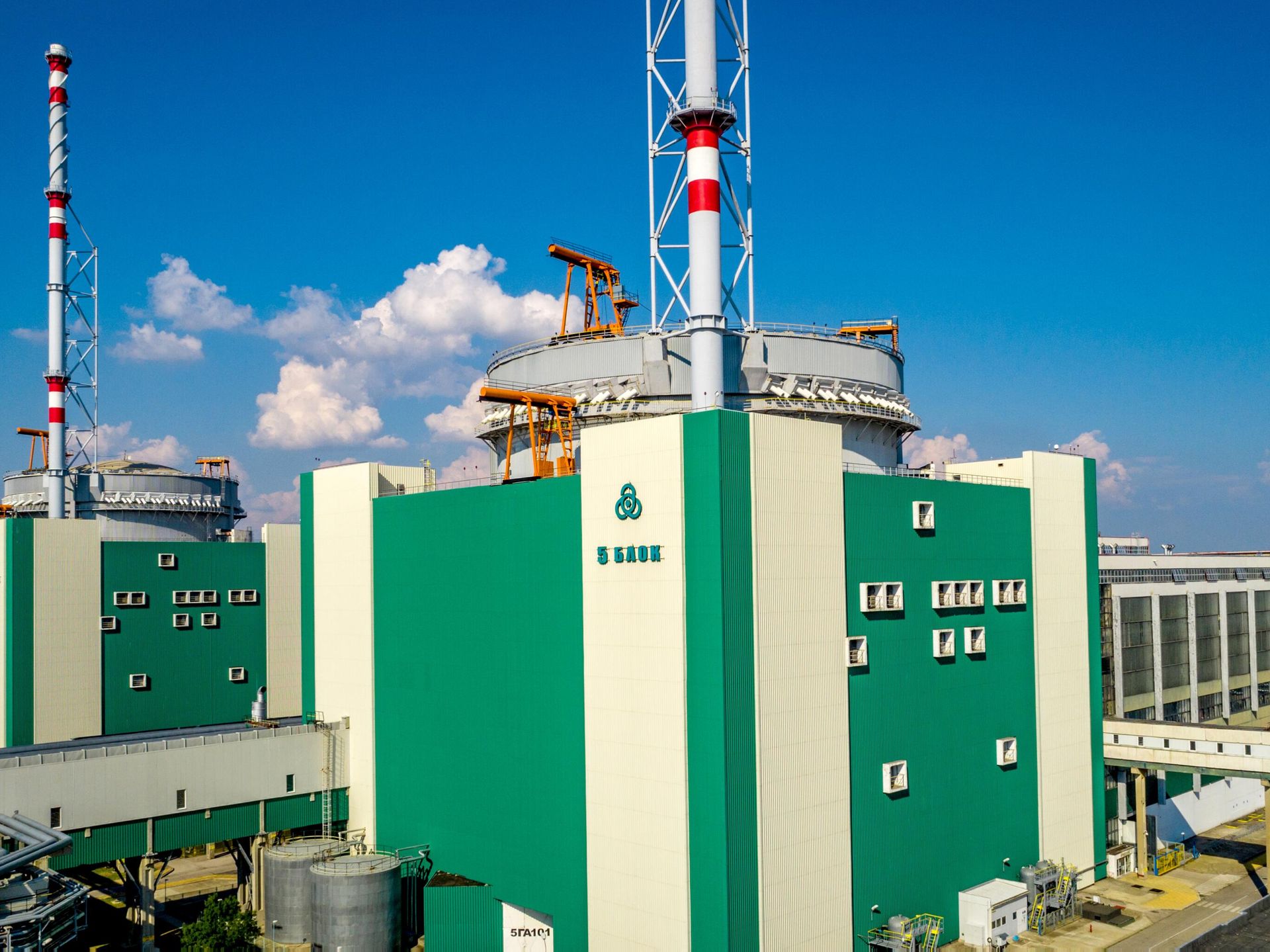
Bulgaria
is continuing its gradual effort to reduce dependence on Russian nuclear fuel,
although the transition of the second operating unit of the Kozloduy Nuclear
Power Plant to alternative fuel is still facing regulatory procedures. The next
key milestone will be the completion of the transition of Unit 5 to
Westinghouse fuel, while the licensing process for Unit 6 is still underway.
Bulgaria
continues to implement its nuclear fuel diversification program at the Kozloduy
Nuclear Power Plant, which is a key source of electricity for the country. On
September 24, Elisaveta Tsvetanova, Deputy Chair of the Bulgarian Nuclear
Regulatory Agency, said that Unit 6 would not yet be able to switch to fuel
supplied by the US company Westinghouse during the upcoming fuel cycle. The
reason is that the licensing process has not yet been completed, meaning that
Russian nuclear fuel will be used during the scheduled outage of the unit in
October.
In
April, the regulator received an application for the licensing of six fuel
assemblies manufactured in Sweden using Westinghouse technology. The initial
documentation has already been reviewed, but the agency requested additional
information concerning the program for monitoring the performance of the fuel
assemblies during operation. According to Tsvetanova, the documents are
currently being examined, and the regulator may involve an external consultant
in part of the technical assessment. The delay is therefore primarily related
to nuclear safety and licensing requirements rather than a decision to abandon
Bulgaria's fuel diversification program.
The
situation with Unit 5 is considerably more advanced. The phased transition to
Westinghouse fuel began in spring 2024. During scheduled maintenance and
refueling in May–June 2026, Westinghouse RWFA fuel assemblies were loaded into
the reactor for the third time. According to the Bulgarian nuclear regulator,
the new fuel has so far been operating without identified problems, while the
complete replacement of Russian fuel in Unit 5 is expected to be completed by
spring 2027.
For
decades, the operating reactors at Kozloduy depended on Russian nuclear fuel
and technology, making diversification of supplies an element of Bulgaria's
energy security strategy. At the same time, this is not an immediate withdrawal
from Russian fuel, but a gradual transition in which new fuel assemblies undergo
testing and extended monitoring. This is particularly important for VVER-1000
reactors, where changes to fuel design require confirmation of compatibility
with the existing reactor system and compliance with nuclear safety
requirements.
Bulgaria's
experience is already relevant to the wider European nuclear energy sector.
According to Kozloduy NPP, Bulgaria became the first EU member state to
practically implement fuel diversification for a VVER-1000 reactor. In 2026,
Unit 5 continued operating with Westinghouse fuel, while a similar arrangement
is expected to be implemented for Unit 6 in the future.
At
the same time, it is important to distinguish between the two tracks.
Westinghouse is responsible for fuel diversification for Unit 5 and is
preparing alternative fuel for Unit 6, while Sofia has also signed a contract
with French company Framatome to supply fuel for Unit 6. As part of the broader
strategy, this creates the possibility of establishing several alternative
supply channels rather than relying on a single supplier. According to BTA, the
Framatome contract provides for up to 12 refueling cycles for Unit 6 between
2025 and 2034, although Framatome fuel must also undergo the necessary
licensing procedures.
Energy
diversification extends beyond the existing reactors. Bulgaria is also
developing plans for new Units 7 and 8 at Kozloduy based on US AP1000
technology. In 2024, Sofia and Washington signed an intergovernmental agreement
on cooperation in developing Bulgaria's civilian nuclear program, while
Westinghouse and Hyundai Engineering & Construction were given key roles in
preparing the new reactor project.
Thus,
the transition of Kozloduy to alternative nuclear fuel is becoming part of a
broader restructuring of Bulgaria's energy infrastructure. In the short term,
Russian fuel will continue to play a role, particularly for Unit 6. However, as
Westinghouse licensing progresses and cooperation with Framatome develops,
Sofia will have greater scope to reduce its technological and fuel dependence
on Russian suppliers. At the same time, the success of this strategy will
depend not only on political decisions, but also on the operational performance
of the new fuel, compliance with nuclear safety requirements, and the ability
to ensure stable alternative supplies throughout the reactors' operating
lifetimes.


 Latest news
Latest news
Latest newsGeorgia’s Constitutional Court Continues Case on Banning Opposition Parties: Political Pluralism at Stake
12.Oct.2026
Azerbaijan and Iran Step Up Security Contacts Amid Hijab Protests
12.Oct.2026
Personnel Shortages Complicate Ukrainian Forces’ Rotation: Ukraine Faces Long-Term Challenges on the Front Line
11.Oct.2026
Trump Eases Sanctions on Russian Fuel After Talks with Putin: Kyiv Fears Boost to Moscow’s War Revenues
10.Oct.2026
Putin Seeks to Strengthen Russia’s Influence in the Post-Soviet Space Through the CIS
10.Oct.2026
Russia and the South Caucasus: External Pressure, Political Competition and a Crisis of Trust
10.Oct.2026
Peaceful Settlement Between Armenia and Azerbaijan: Moving from Declarations to Implementation
10.Oct.2026
Moldova Ready to Accept as Many Ukrainians as Necessary if Situation Worsens This Winter
09.Oct.2026
Turkmenistan Turns Avaza into a Regional Diplomatic Hub as Caspian, Central Asian and CIS Agendas Converge
08.Oct.2026
Romania Scrambles Spanish F-18s After Aerial Targets Detected Near Ukrainian Border
07.Oct.2026
Berlin Deepens Defence Partnership with Kyiv: Germany to Provide Ukraine with €1 Billion in Military Aid
07.Oct.2026
European Parliament Against Georgian Dream: EU Prepares New Response to Tbilisi
06.Oct.2026
Bulgarian Foreign Minister to Discuss European Security and International Law in the Netherlands
05.Oct.2026
Rheinmetall in Bulgaria: Sofia Emerges as a New NATO Defence-Industrial Hub in the Balkans
05.Oct.2026
The Cost of a Long War: Moscow Expands Spending Plans Through 2029
05.Oct.2026