
 13 Oct 2026









Moldova Approves Energy Strategy Through 2050: Shift Toward EU and Reduced Dependence on Imports
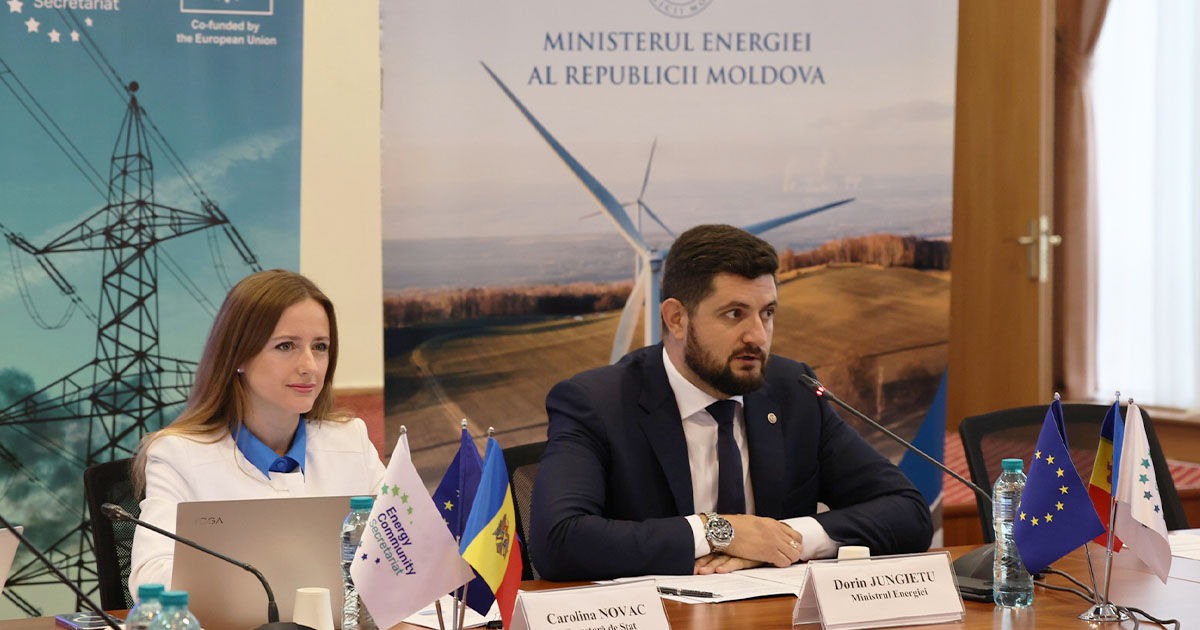
The
Moldovan government approved the country’s Energy Strategy for 2026–2050 on
September 30, setting out the main priorities for the development of the energy
sector over the next 25 years. The document envisages building a secure, competitive
and sustainable energy system fully integrated into the European energy market.
The
new strategy was developed in response to significant changes in Moldova’s
energy sector in recent years. In particular, the authorities highlight the
synchronization of the national electricity system with the European ENTSO-E
network, the diversification of natural gas sources and supply routes, the
development of energy interconnections with Romania, and the gradual
integration of Moldova into the European energy market.
One
of the key objectives of the strategy is to reduce Moldova’s dependence on
external energy supplies. By 2050, Chisinau plans to reduce the share of
imported energy from more than 77% to 40%. At the same time, at least 85% of
domestic electricity generation is expected to come from renewable sources. The
share of electricity in final energy consumption is projected to increase from
the current 12% to 65%.
Particular
attention is given to the development of solar and wind energy, as well as the
use of biomass. The strategy provides for expanding domestic generation
capacity, developing energy storage systems and attracting private investment.
The authorities expect increased renewable electricity generation to strengthen
the country’s energy resilience while reducing the use of fossil fuels.
In
the gas sector, the strategy envisages further diversification of supply
sources and routes, the development of regional infrastructure and the
establishment of a competitive gas market. Natural gas is expected to retain a
role in maintaining the stability of the energy system and electricity
generation. However, in the longer term, the infrastructure is to be prepared
for the use of low-carbon gases and hydrogen.
At
the same time, Moldova intends to significantly improve energy efficiency. The
strategy provides for the modernization of residential and public buildings,
improved energy efficiency standards, the upgrading of heating and cooling
systems, reduced energy consumption in the public sector, and the introduction
of more efficient technologies in industry and households. By 2050, the energy
intensity of the economy is expected to decline from 0.298 to 0.061 tonnes of
oil equivalent per €1,000.
Another
priority will be the digitalization of the energy sector. The authorities plan
to introduce smart systems for monitoring and managing energy consumption,
modernize electricity grid infrastructure and strengthen the protection of
critical energy infrastructure against cyber threats.
According
to the government, implementing the strategy will require the mobilization of
more than €43 billion in investment. The funds
are expected to be directed toward energy infrastructure, renewable generation,
electricity grids, energy storage systems, energy efficiency measures and the
deployment of new energy technologies.
The
document also sets the goal of achieving climate neutrality in Moldova by 2050.
At the same time, the government views energy policy as an important component
of the country’s European integration process. The strategy directly links the
development of the energy sector with further integration into the European
energy market and Moldova’s EU accession process.
The
strategy was approved following an environmental assessment and consultations
with relevant authorities, including representatives of Romania and Ukraine.
The consultations were conducted in accordance with the provisions of the Espoo
Convention on Environmental Impact Assessment in a Transboundary Context.
The
new strategy therefore envisages not simply a series of individual changes in
the energy sector, but its long-term structural transformation. Chisinau aims
to reduce its dependence on imports, increase the share of renewable
generation, expand energy links with the EU and strengthen the resilience of
critical infrastructure to geopolitical, climate and cyber risks. The scale of
these ambitions, however, will depend directly on Moldova’s ability to attract
the necessary investment and implement the infrastructure projects outlined in
the strategy.


 Latest news
Latest news
Latest newsGeorgia’s Constitutional Court Continues Case on Banning Opposition Parties: Political Pluralism at Stake
12.Oct.2026
Azerbaijan and Iran Step Up Security Contacts Amid Hijab Protests
12.Oct.2026
Personnel Shortages Complicate Ukrainian Forces’ Rotation: Ukraine Faces Long-Term Challenges on the Front Line
11.Oct.2026
Trump Eases Sanctions on Russian Fuel After Talks with Putin: Kyiv Fears Boost to Moscow’s War Revenues
10.Oct.2026
Putin Seeks to Strengthen Russia’s Influence in the Post-Soviet Space Through the CIS
10.Oct.2026
Russia and the South Caucasus: External Pressure, Political Competition and a Crisis of Trust
10.Oct.2026
Peaceful Settlement Between Armenia and Azerbaijan: Moving from Declarations to Implementation
10.Oct.2026
Moldova Ready to Accept as Many Ukrainians as Necessary if Situation Worsens This Winter
09.Oct.2026
Turkmenistan Turns Avaza into a Regional Diplomatic Hub as Caspian, Central Asian and CIS Agendas Converge
08.Oct.2026
Romania Scrambles Spanish F-18s After Aerial Targets Detected Near Ukrainian Border
07.Oct.2026
Berlin Deepens Defence Partnership with Kyiv: Germany to Provide Ukraine with €1 Billion in Military Aid
07.Oct.2026
European Parliament Against Georgian Dream: EU Prepares New Response to Tbilisi
06.Oct.2026
Bulgarian Foreign Minister to Discuss European Security and International Law in the Netherlands
05.Oct.2026
Rheinmetall in Bulgaria: Sofia Emerges as a New NATO Defence-Industrial Hub in the Balkans
05.Oct.2026
The Cost of a Long War: Moscow Expands Spending Plans Through 2029
05.Oct.2026