
 13 Oct 2026









Zelensky hopes to make Donbas war end as early as this year
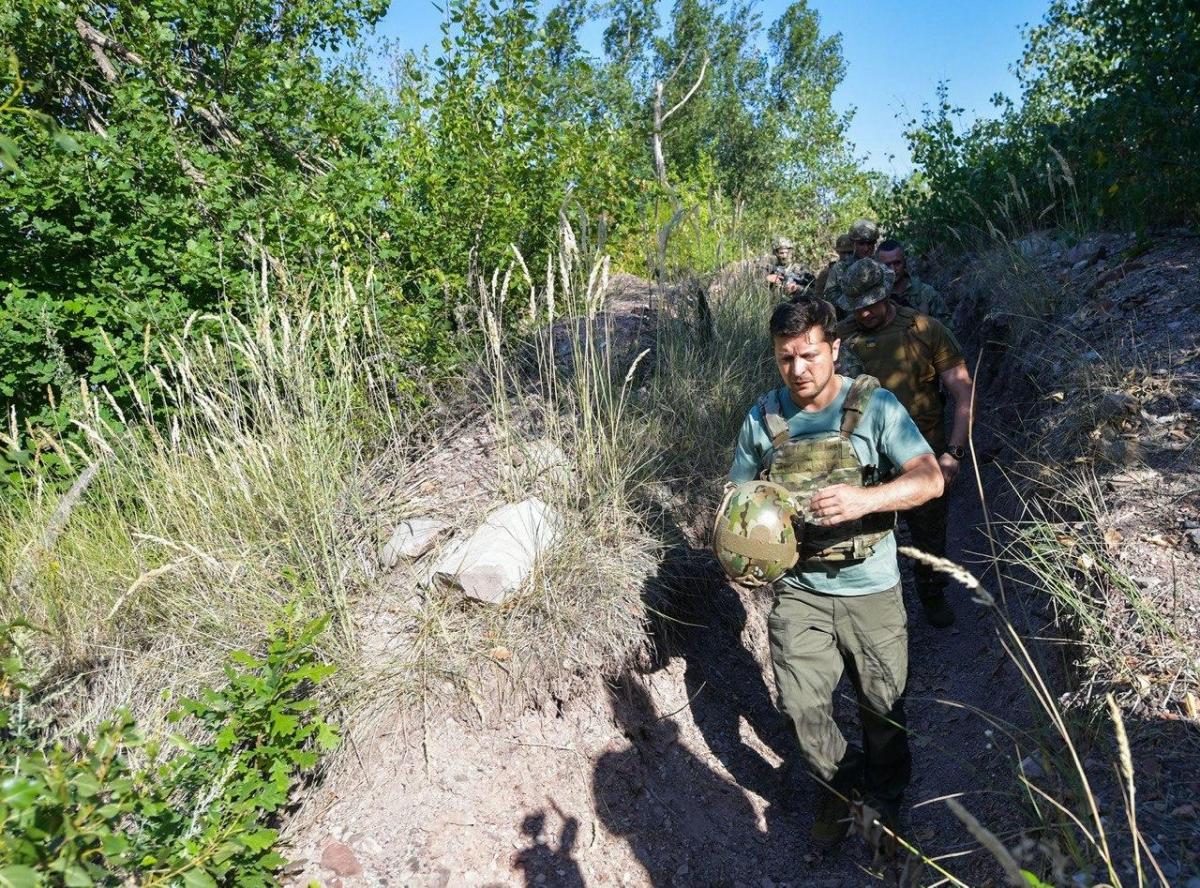
The agreements reached by the Normandy Four (Ukraine, Germany, France, and Russia) leaders at their latest summit in Paris at the end of 2019 are being implemented, although not as quickly as Ukraine authorities would like, Zelensky said in the interview, according to UNIAN.
The head of state noted that the ceasefire in Donbas has already been introduced and is being observed; agreements have also been reached on disengagement areas and 20 demining zones.
"The second summit in the Normandy format indicates that we have a great chance to end the war... If we compare our team and the previous one, nobody wanted it the way I do. There was no such pace and no such pressure on the issue – no one has done this, and everyone can see it. And I'm not just talking about Ukrainians – all our foreign partners see this. I know that no one will make this end faster than me," Zelensky said.
The president stressed there was no other real effective plan for a peaceful settlement in eastern Ukraine, which would be supported by all four parties to the Normandy negotiation format. Therefore, the president says, he seeks to keep moving along this path until the war in Donbas ends.
"If it [the negotiation format] doesn't work out, we will then think of another plan... I'm not afraid of a direct dialogue with the president of the Russian Federation. I believe that this is the right thing. If there is such an opportunity – to speak – and if these contacts move us forward on the issue of war [settlement], we must do it. If we don't speak, there'll be no result. I've realized this for sure. If there's no dialogue, if we don't make calls when necessary, there will be no peaceful result," the head of state summed up.
Zelensky also noted the need for a direct dialogue with Russian President Vladimir Putin at the right moments. For example, the two leaders talked ahead of the latest introduction of truce.


 Latest news
Latest news
Latest newsGeorgia’s Constitutional Court Continues Case on Banning Opposition Parties: Political Pluralism at Stake
12.Oct.2026
Azerbaijan and Iran Step Up Security Contacts Amid Hijab Protests
12.Oct.2026
Personnel Shortages Complicate Ukrainian Forces’ Rotation: Ukraine Faces Long-Term Challenges on the Front Line
11.Oct.2026
Trump Eases Sanctions on Russian Fuel After Talks with Putin: Kyiv Fears Boost to Moscow’s War Revenues
10.Oct.2026
Putin Seeks to Strengthen Russia’s Influence in the Post-Soviet Space Through the CIS
10.Oct.2026
Russia and the South Caucasus: External Pressure, Political Competition and a Crisis of Trust
10.Oct.2026
Peaceful Settlement Between Armenia and Azerbaijan: Moving from Declarations to Implementation
10.Oct.2026
Moldova Ready to Accept as Many Ukrainians as Necessary if Situation Worsens This Winter
09.Oct.2026
Turkmenistan Turns Avaza into a Regional Diplomatic Hub as Caspian, Central Asian and CIS Agendas Converge
08.Oct.2026
Romania Scrambles Spanish F-18s After Aerial Targets Detected Near Ukrainian Border
07.Oct.2026
Berlin Deepens Defence Partnership with Kyiv: Germany to Provide Ukraine with €1 Billion in Military Aid
07.Oct.2026
European Parliament Against Georgian Dream: EU Prepares New Response to Tbilisi
06.Oct.2026
Bulgarian Foreign Minister to Discuss European Security and International Law in the Netherlands
05.Oct.2026
Rheinmetall in Bulgaria: Sofia Emerges as a New NATO Defence-Industrial Hub in the Balkans
05.Oct.2026
The Cost of a Long War: Moscow Expands Spending Plans Through 2029
05.Oct.2026