
 13 Oct 2026









Operation Vivaldi: Ukraine Reports Advances Near Lyman as Fighting Intensifies
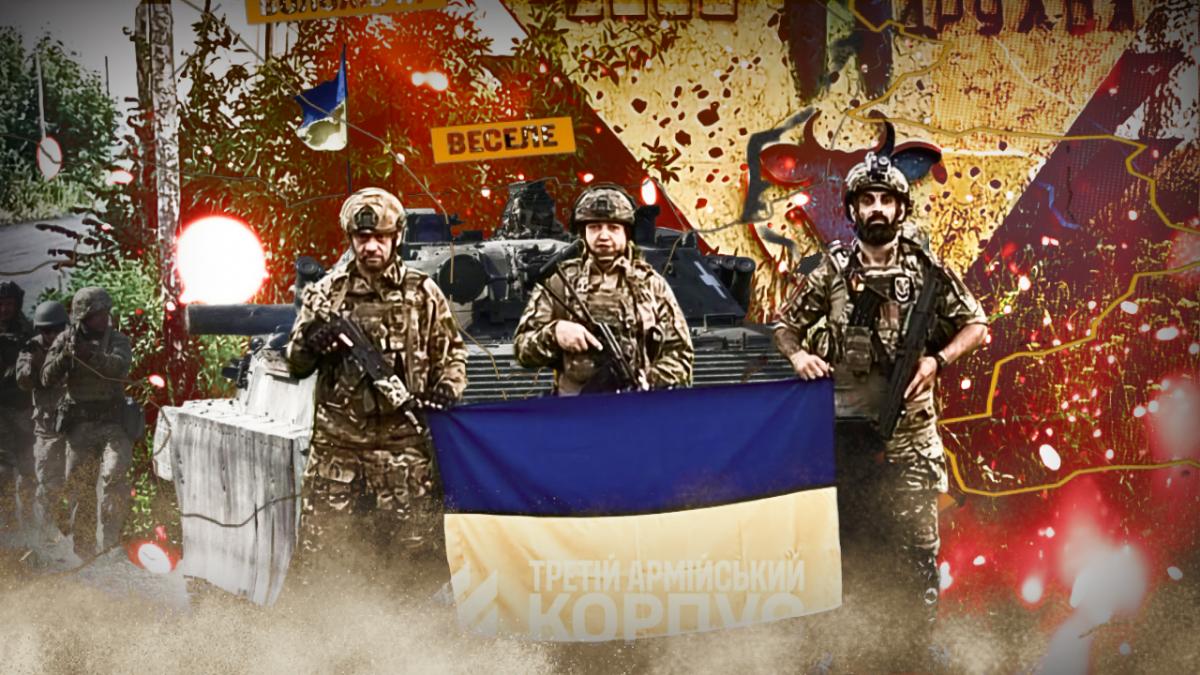
Ukrainian forces are conducting a counteroffensive operation in the Lyman area in Northern Donetsk Region. The Ukrainian command calls this effort Operation "Vivaldi". During the first phase, Ukrainian forces managed to regain control over several settlements and clear a significant area of Russian units. Independent analysts confirm Ukrainian advances; however, the exact scope of the changes along the frontline remains a subject of ongoing assessment.
The launch of the operation was publicly announced by the Commander of the Third Army Corps of the Armed Forces of Ukraine, Brigadier General Andriy Biletskyi. According to him, during the first phase of the operation, Ukrainian units liberated the settlement of Sredne and cleared Russian forces from Novoselovka, Yarova, Aleksandrovka, and the outskirts of Korovii Yar. In total, the Ukrainian side claimed the recovery or clearing of approximately 85 square kilometers of territory.
According to the Institute for the Study of War (ISW), Ukrainian actions northwest of Lyman carry significance beyond the tactical level. Analysts believe that the advance of Ukrainian troops has complicated Russian plans for a wider envelopment of the fortified Ukrainian defense line in the Donetsk Region. This refers to the so-called "fortress belt" — a chain of major cities including Sloviansk, Kramatorsk, and other settlements. The Russian command aims to establish conditions to advance toward this area from multiple directions.
The ISW assesses that the Ukrainian operation near Lyman hampered attempts to encircle this defensive area from the north. Analysts also noted that Ukrainian units executed strikes against Russian communications and logistics lines.
According to CCBS data, the Ukrainian side launched strikes against supply facilities up to 120 kilometers behind the frontline, aiming to disrupt the delivery of fuel and other resources to Russian units.
It should be noted that Lyman holds strategic importance for both sides due to its location and transportation networks. Control over this district creates opportunities for further operations toward Sloviansk and Kramatorsk. Ukrainian reports of advances have received partial confirmation from independent analysts.
However, the widespread use of drones, high intensity of strikes, and the existence of a "gray zone" make real-time verification of reports directly from the battlefield difficult.
The Ukrainian command uses the designation "Vivaldi" for this counteroffensive operation in the Lyman area. Public statements by the Ukrainian military describe the operation as consisting of several phases. According to the Ukrainian account, the initial goal was to halt the advance of Russian units, disrupt their logistics, and eliminate positions that could be used for further offensive actions. Following this, Ukrainian forces began expanding the territory under their control. The first phase of the operation influenced Russian plans in the region, though this primarily represents an operational shift rather than a large-scale breakthrough of the front.
Russian military sources also report active fighting in the Lyman area; however, their assessments differ from the Ukrainian version. Russian military bloggers acknowledged certain difficulties and lost positions while reporting attempts by Russian units to reclaim them. Due to conflicting statements from both sides and the lack of full independent access to the frontline, claims regarding the exact number of lost settlements, casualties, and the precise scale of advances should be viewed with caution.
The primary significance of Operation "Vivaldi" lies not so much in the total area of claimed advances, but in its strategic location. If Ukrainian forces manage to consolidate their gains, the Russian command may need to adjust its offensive plans toward Sloviansk and Kramatorsk. At the same time, analysts note that Russian forces retain the capability to launch strikes and conduct offensive operations in other sectors of the Donetsk Region.


 Latest news
Georgia’s Constitutional Court Continues Case on Banning Opposition Parties: Political Pluralism at Stake
12.Oct.2026
Azerbaijan and Iran Step Up Security Contacts Amid Hijab Protests
12.Oct.2026
Personnel Shortages Complicate Ukrainian Forces’ Rotation: Ukraine Faces Long-Term Challenges on the Front Line
11.Oct.2026
Trump Eases Sanctions on Russian Fuel After Talks with Putin: Kyiv Fears Boost to Moscow’s War Revenues
10.Oct.2026
Putin Seeks to Strengthen Russia’s Influence in the Post-Soviet Space Through the CIS
10.Oct.2026
Russia and the South Caucasus: External Pressure, Political Competition and a Crisis of Trust
10.Oct.2026
Peaceful Settlement Between Armenia and Azerbaijan: Moving from Declarations to Implementation
10.Oct.2026
Moldova Ready to Accept as Many Ukrainians as Necessary if Situation Worsens This Winter
09.Oct.2026
Turkmenistan Turns Avaza into a Regional Diplomatic Hub as Caspian, Central Asian and CIS Agendas Converge
08.Oct.2026
Romania Scrambles Spanish F-18s After Aerial Targets Detected Near Ukrainian Border
07.Oct.2026
Berlin Deepens Defence Partnership with Kyiv: Germany to Provide Ukraine with €1 Billion in Military Aid
07.Oct.2026
European Parliament Against Georgian Dream: EU Prepares New Response to Tbilisi
06.Oct.2026
Bulgarian Foreign Minister to Discuss European Security and International Law in the Netherlands
05.Oct.2026
Rheinmetall in Bulgaria: Sofia Emerges as a New NATO Defence-Industrial Hub in the Balkans
05.Oct.2026
The Cost of a Long War: Moscow Expands Spending Plans Through 2029
05.Oct.2026