
 13 Oct 2026









Turkiye Strengthens Defense Capabilities: Ankara Links European Cooperation to the Development of Its Domestic Defense Industry
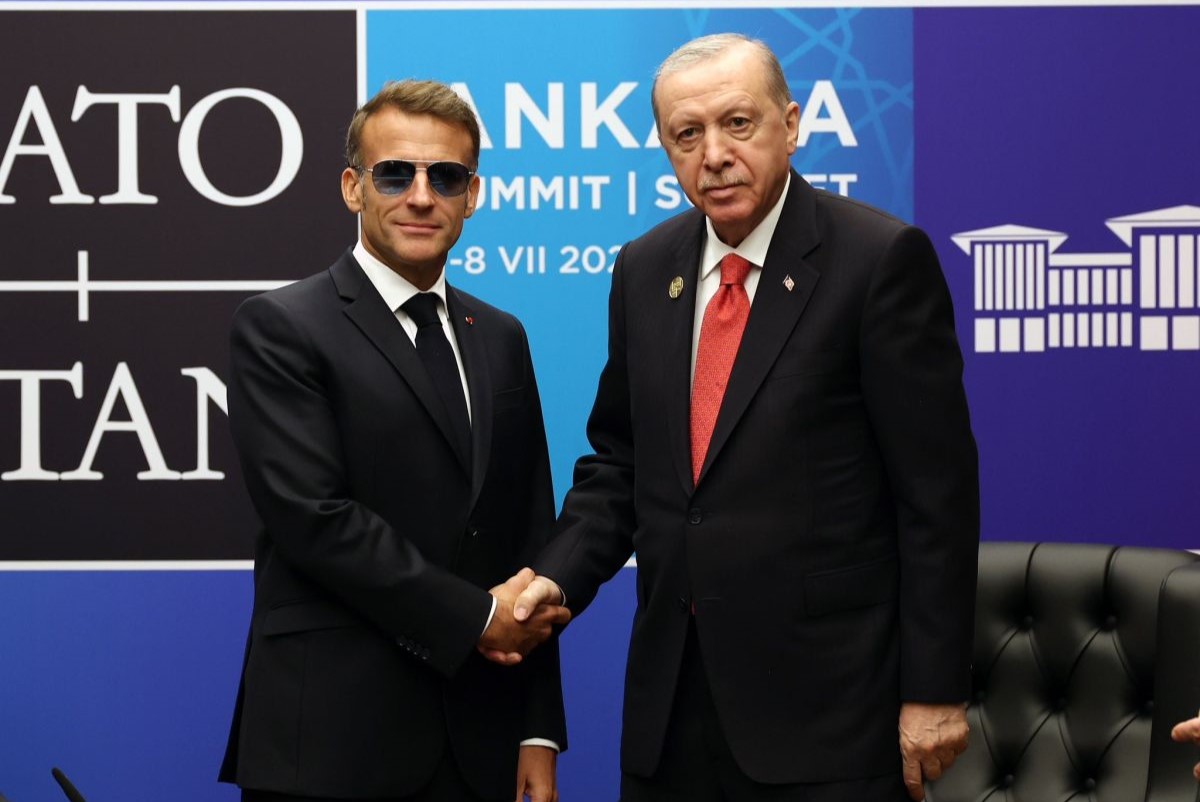
Turkiye is simultaneously strengthening cooperation with European partners and accelerating the development of its domestic defense industry. The signing of a defense cooperation roadmap with France, together with President Recep Tayyip Erdogan’s statements about a “complete revolution” in the sector, demonstrates Ankara’s efforts to combine international military-technical cooperation with the expansion of its own industrial and technological capabilities.
On October 3, the Turkish Ministry of National Defense announced the signing of a defense cooperation roadmap with France. The document followed talks between representatives of the Turkish and French defense ministries, during which the two sides discussed bilateral military relations, strategic dialogue, and opportunities to expand existing cooperation. The parties also reaffirmed the need to maintain regular contacts focused on concrete outcomes.
The Turkish Ministry of National Defense emphasized that the agreement should give a more concrete framework to the positive signals that have recently emerged from the leadership of both countries. At the same time, the information released so far does not contain a detailed list of specific weapons systems or joint programs covered by the roadmap. Its significance at this stage therefore primarily lies in creating an institutional framework for further development of defense dialogue between Ankara and Paris.
The French direction is gaining additional significance amid Turkiye’s efforts to maintain several channels of military-technical cooperation simultaneously. Ankara remains a NATO member while also developing its domestic defense industry, seeking to reduce dependence on foreign supplies across a number of key technologies.
Erdogan placed particular emphasis on this direction on October 3, stating at TEKNOFEST Southeast in Sanliurfa that Turkiye was carrying out a “complete revolution” in its defense industry. According to the president, Ankara intends to continue developing new platforms and strengthening the country’s position in the sector. Erdogan also stated that Turkiye is helping meet the defense needs of friendly countries upon their requests.
One of the most significant projects remains the national KAAN fighter aircraft program. On October 2, Mehmet Demiroglu, CEO of Turkish Aerospace Industries, said that the first of the new P1 prototypes had completed system checks and was being prepared for high-speed taxi tests. According to him, the first flight of the P1 is expected in the coming weeks, while the second prototype, P2, is scheduled to enter testing before the end of 2026, provided there are no delays.
At the same time, it is important to distinguish between the first flight of the KAAN program and the upcoming tests of the new prototypes. The first flight prototype, P0, had already completed its maiden flight in February 2024. The current stage involves the transition to subsequent prototypes, which are expected to expand the flight-test program and bring the project closer to serial production. According to previously announced company plans, the target date for the first deliveries of KAAN to the Turkish Air Force remains 2028.
In parallel, TAI is restructuring its production model. The company plans to transfer a significant share of component manufacturing to domestic suppliers while retaining key production processes and final assembly. According to Demiroglu, the model could eventually allow around 70% of production operations to be carried out by subcontractors. Such an approach is intended to increase production capacity and allow the company to run several programs simultaneously.
Thus, the development of Turkiye’s defense industry is moving beyond individual weapons systems. Ankara is building a broader industrial ecosystem encompassing combat aircraft, unmanned platforms, trainer aircraft, electronic systems, and electronic warfare capabilities. At the same time, exports are becoming an increasingly important part of this model, with Turkish companies expanding their presence in foreign markets, including European and regional markets.
Against this backdrop, the agreement with France is significant not merely as another bilateral document. It demonstrates that Turkiye does not view the development of its domestic defense industry as incompatible with international cooperation. On the contrary, Ankara is simultaneously developing national platforms and seeking opportunities to expand defense cooperation with other NATO members.


 Latest news
Georgia’s Constitutional Court Continues Case on Banning Opposition Parties: Political Pluralism at Stake
12.Oct.2026
Azerbaijan and Iran Step Up Security Contacts Amid Hijab Protests
12.Oct.2026
Personnel Shortages Complicate Ukrainian Forces’ Rotation: Ukraine Faces Long-Term Challenges on the Front Line
11.Oct.2026
Trump Eases Sanctions on Russian Fuel After Talks with Putin: Kyiv Fears Boost to Moscow’s War Revenues
10.Oct.2026
Putin Seeks to Strengthen Russia’s Influence in the Post-Soviet Space Through the CIS
10.Oct.2026
Russia and the South Caucasus: External Pressure, Political Competition and a Crisis of Trust
10.Oct.2026
Peaceful Settlement Between Armenia and Azerbaijan: Moving from Declarations to Implementation
10.Oct.2026
Moldova Ready to Accept as Many Ukrainians as Necessary if Situation Worsens This Winter
09.Oct.2026
Turkmenistan Turns Avaza into a Regional Diplomatic Hub as Caspian, Central Asian and CIS Agendas Converge
08.Oct.2026
Romania Scrambles Spanish F-18s After Aerial Targets Detected Near Ukrainian Border
07.Oct.2026
Berlin Deepens Defence Partnership with Kyiv: Germany to Provide Ukraine with €1 Billion in Military Aid
07.Oct.2026
European Parliament Against Georgian Dream: EU Prepares New Response to Tbilisi
06.Oct.2026
Bulgarian Foreign Minister to Discuss European Security and International Law in the Netherlands
05.Oct.2026
Rheinmetall in Bulgaria: Sofia Emerges as a New NATO Defence-Industrial Hub in the Balkans
05.Oct.2026
The Cost of a Long War: Moscow Expands Spending Plans Through 2029
05.Oct.2026