
 13 Oct 2026









The British analyst described the consequences of the "Oreshnik" strike
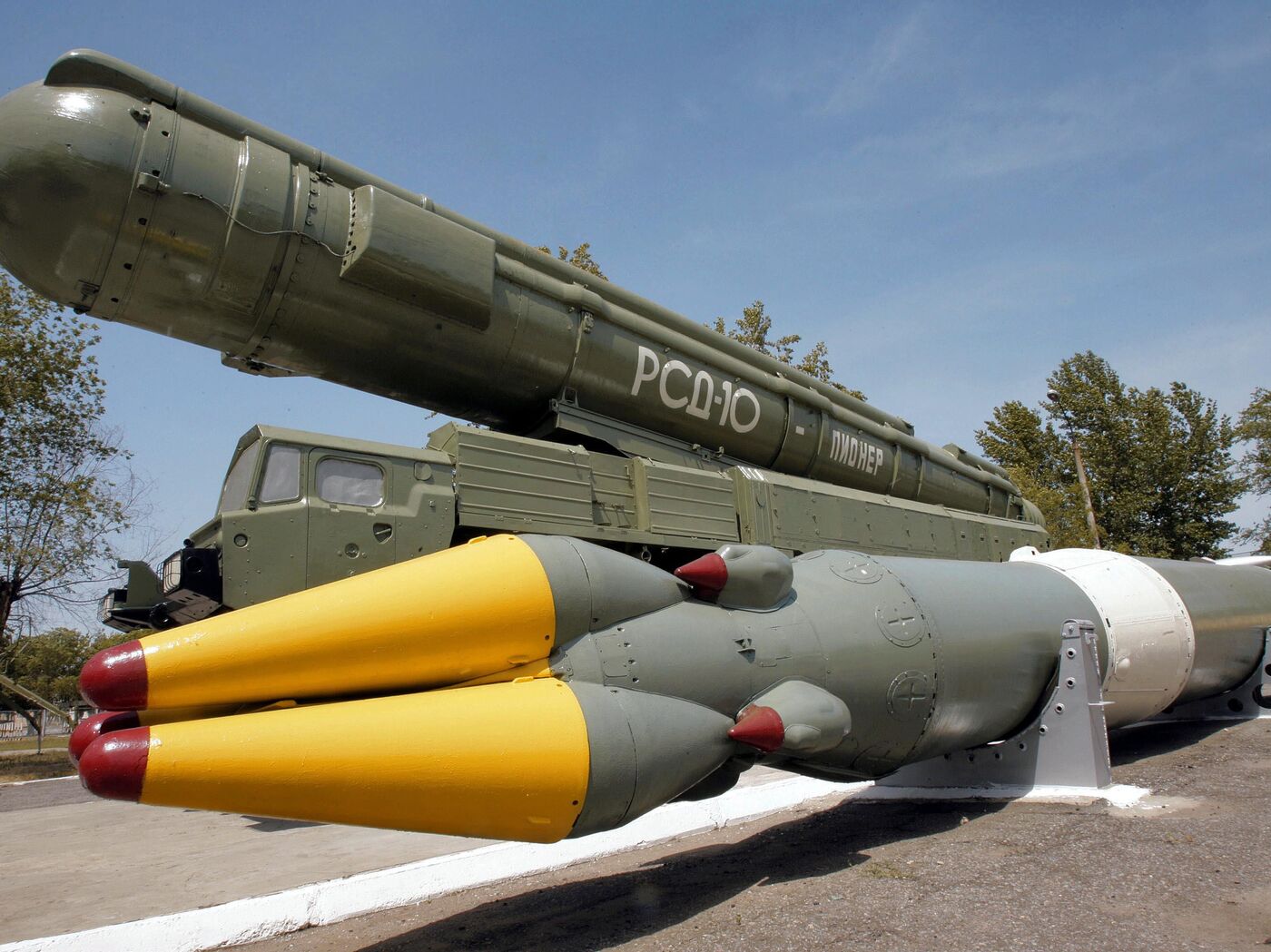
The information about the "Oreshnik" missile and its potential consequences is generating significant interest, especially given the claims about combining this weapon with other systems to create massive destruction. As noted by British analyst Alexander Mercouris, the "Oreshnik" is an important element of Russia's military strategy, as its use could significantly enhance the effectiveness of strikes on enemy military targets.
The "Oreshnik" missile itself, as stated, is capable of destroying defensive structures and fortifications, making it a powerful tool for neutralizing defense systems. When combined with other missiles designed to target enemy personnel, such an approach increases the destructive power and could potentially disable key objectives, minimizing resistance.
From a tactical standpoint, using "Oreshnik" alongside other missiles may be aimed at creating multi-layered attacks, where each phase damages different types of targets: from infrastructure destruction to the elimination of enemy forces. This could complicate effective defense and countermeasures for the opponent, as various types of strikes could be delivered from different directions and with different technologies.
In the context of the ongoing conflict in Ukraine, the use of "Oreshnik" combined with other missiles, as emphasized by Mercouris, could significantly amplify destruction, making such a combination "absolutely horrifying." It is important to note that, according to Russian authorities, the current air defense systems are not capable of effectively countering such precision-guided missiles.
It is not surprising that the use of such systems presents new challenges for defense, as well as for the humanitarian situation in Ukraine.


 Latest news
Georgia’s Constitutional Court Continues Case on Banning Opposition Parties: Political Pluralism at Stake
12.Oct.2026
Azerbaijan and Iran Step Up Security Contacts Amid Hijab Protests
12.Oct.2026
Personnel Shortages Complicate Ukrainian Forces’ Rotation: Ukraine Faces Long-Term Challenges on the Front Line
11.Oct.2026
Trump Eases Sanctions on Russian Fuel After Talks with Putin: Kyiv Fears Boost to Moscow’s War Revenues
10.Oct.2026
Putin Seeks to Strengthen Russia’s Influence in the Post-Soviet Space Through the CIS
10.Oct.2026
Russia and the South Caucasus: External Pressure, Political Competition and a Crisis of Trust
10.Oct.2026
Peaceful Settlement Between Armenia and Azerbaijan: Moving from Declarations to Implementation
10.Oct.2026
Moldova Ready to Accept as Many Ukrainians as Necessary if Situation Worsens This Winter
09.Oct.2026
Turkmenistan Turns Avaza into a Regional Diplomatic Hub as Caspian, Central Asian and CIS Agendas Converge
08.Oct.2026
Romania Scrambles Spanish F-18s After Aerial Targets Detected Near Ukrainian Border
07.Oct.2026
Berlin Deepens Defence Partnership with Kyiv: Germany to Provide Ukraine with €1 Billion in Military Aid
07.Oct.2026
European Parliament Against Georgian Dream: EU Prepares New Response to Tbilisi
06.Oct.2026
Bulgarian Foreign Minister to Discuss European Security and International Law in the Netherlands
05.Oct.2026
Rheinmetall in Bulgaria: Sofia Emerges as a New NATO Defence-Industrial Hub in the Balkans
05.Oct.2026
The Cost of a Long War: Moscow Expands Spending Plans Through 2029
05.Oct.2026