
 13 Oct 2026









- Avionics upgrades and mission system modernization
- Training for pilots, engineers, and ground crews
- Spare parts and maintenance tools
- Classified and unclassified software for mission planning and execution
- Technical/logistical support from defense giants like Lockheed Martin, BAE Systems, and AAR Corporation
- Denmark delivered the first 19 of its pledged 19 F-16s.
- The Netherlands, Norway, and Belgium are providing jets, equipment, and training.
- Norway contributed $118.8 million via the U.S. JUMPSTART program for spare parts.
- The Netherlands pledged €80 million for maintenance and logistics.
- NATO interoperability and data sharing
- Advanced avionics and weapons systems (AMRAAM, JDAM, GBU-39)
- Tactical flexibility and rapid deployment capabilities
The U.S. strengthens Ukraine’s air shield: F-16s equipped with cutting-edge technology and extensive support
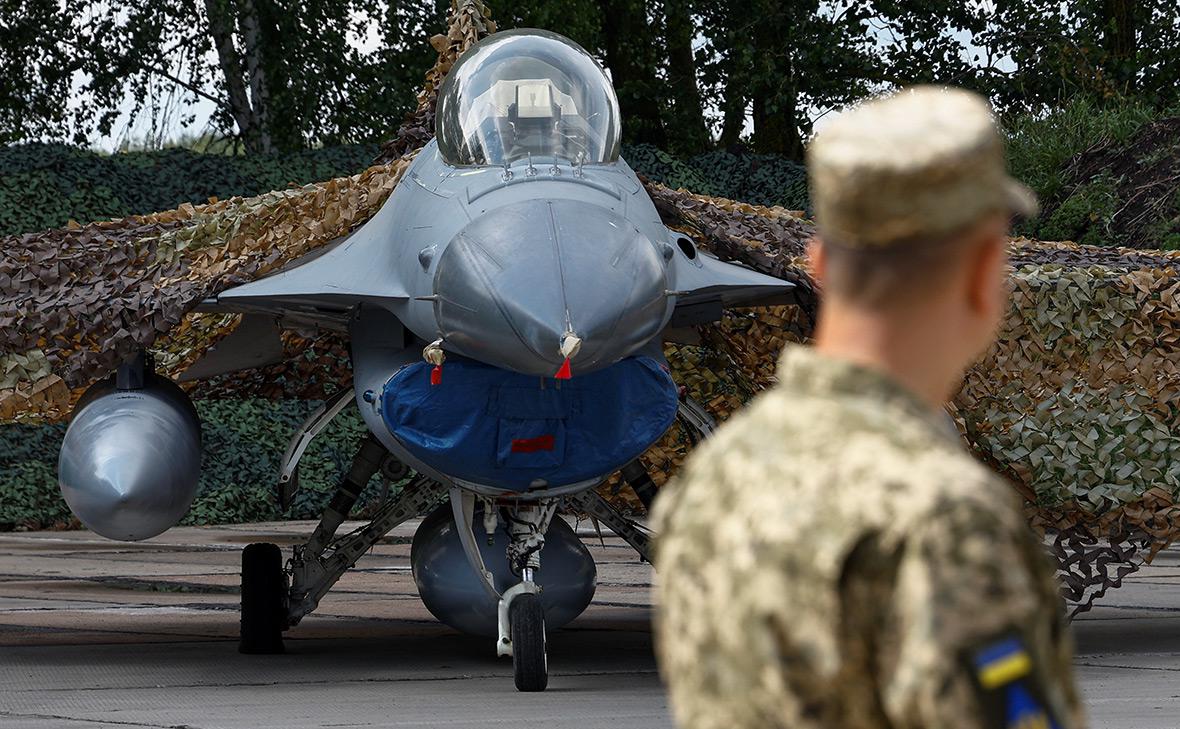
On May 2, 2025, the U.S. State Department approved a major $310.5 million military support package for Ukraine. It includes equipment, upgrades, training, and technical support to keep Ukraine’s fleet of F-16 fighter jets mission-ready. According to the Defense Security Cooperation Agency (DSCA), this move reflects Washington’s strategic commitment to strengthening a key European partner’s air defenses.
F-16s for Ukraine: not just jets, but a new level of warfare
The arrival of U.S.-made F-16s – proven, flexible multirole aircraft – marks a turning point in Ukraine’s transition away from Soviet-era MiG-29s and Su-27s. Ukraine is receiving not only the aircraft (mainly Block 15/20 Mid-Life Update variants from European allies) but also everything needed for full-scale operations: spare parts, software, and comprehensive training.
The package includes:
A key component is the Joint Mission Planning System (JMPS), allowing for precise and integrated coordination of missions – an essential step toward Ukraine’s full integration into NATO operations.
Spare parts from the aircraft “boneyard” and a global coalition
In parallel with the official sale, the U.S. has begun withdrawing retired F-16s from the so-called “boneyard” in Arizona (AMARG) to cannibalize them for parts. These components are critical for keeping Ukraine’s fleet flying, especially as its airbases remain under constant missile and drone attack.
This support is now a coalition-wide effort, launched in 2023 under the “fighter coalition” framework:
Why it matters: F-16 vs. Su-35
While Russian Su-35s and MiG-35s boast more thrust and payload, the F-16 excels in:
For Ukraine, this means the ability to strike precise targets and intercept enemy missiles or drones—a significant upgrade in modern aerial combat.
Not just hardware – people make the difference
One of the most important aspects of the deal is training. Ukrainian pilots and engineers have been training in the U.S. and Europe since 2023. The newly approved package deepens that effort, with a focus on weapon deployment, tactical operations, and NATO-style mission execution.
Example: GBU-39 bombs can hit targets over 100 km away, staying outside enemy air defense zones. But such tools require well-trained personnel to be effective.
Ukraine aims for sustainability
This is a commercial purchase, not a donation – demonstrating Ukraine’s intent to manage its own defense needs long-term. But a key question remains: Can Ukraine eventually develop the infrastructure to maintain its F-16 fleet independently?
Not yet – but the combination of new equipment, training, and cooperation with NATO partners is laying the groundwork. If Ukraine can overcome logistics and personnel challenges, the F-16 may not just symbolize Western support – it could become a real game-changer in Ukraine’s air war with Russia.
Singh Bhagat
Military expert, researcher


 Latest news
Georgia’s Constitutional Court Continues Case on Banning Opposition Parties: Political Pluralism at Stake
12.Oct.2026
Azerbaijan and Iran Step Up Security Contacts Amid Hijab Protests
12.Oct.2026
Personnel Shortages Complicate Ukrainian Forces’ Rotation: Ukraine Faces Long-Term Challenges on the Front Line
11.Oct.2026
Trump Eases Sanctions on Russian Fuel After Talks with Putin: Kyiv Fears Boost to Moscow’s War Revenues
10.Oct.2026
Putin Seeks to Strengthen Russia’s Influence in the Post-Soviet Space Through the CIS
10.Oct.2026
Russia and the South Caucasus: External Pressure, Political Competition and a Crisis of Trust
10.Oct.2026
Peaceful Settlement Between Armenia and Azerbaijan: Moving from Declarations to Implementation
10.Oct.2026
Moldova Ready to Accept as Many Ukrainians as Necessary if Situation Worsens This Winter
09.Oct.2026
Turkmenistan Turns Avaza into a Regional Diplomatic Hub as Caspian, Central Asian and CIS Agendas Converge
08.Oct.2026
Romania Scrambles Spanish F-18s After Aerial Targets Detected Near Ukrainian Border
07.Oct.2026
Berlin Deepens Defence Partnership with Kyiv: Germany to Provide Ukraine with €1 Billion in Military Aid
07.Oct.2026
European Parliament Against Georgian Dream: EU Prepares New Response to Tbilisi
06.Oct.2026
Bulgarian Foreign Minister to Discuss European Security and International Law in the Netherlands
05.Oct.2026
Rheinmetall in Bulgaria: Sofia Emerges as a New NATO Defence-Industrial Hub in the Balkans
05.Oct.2026
The Cost of a Long War: Moscow Expands Spending Plans Through 2029
05.Oct.2026