
 13 Oct 2026









Military Escalation: From "Sindoor" to Aerial Combat
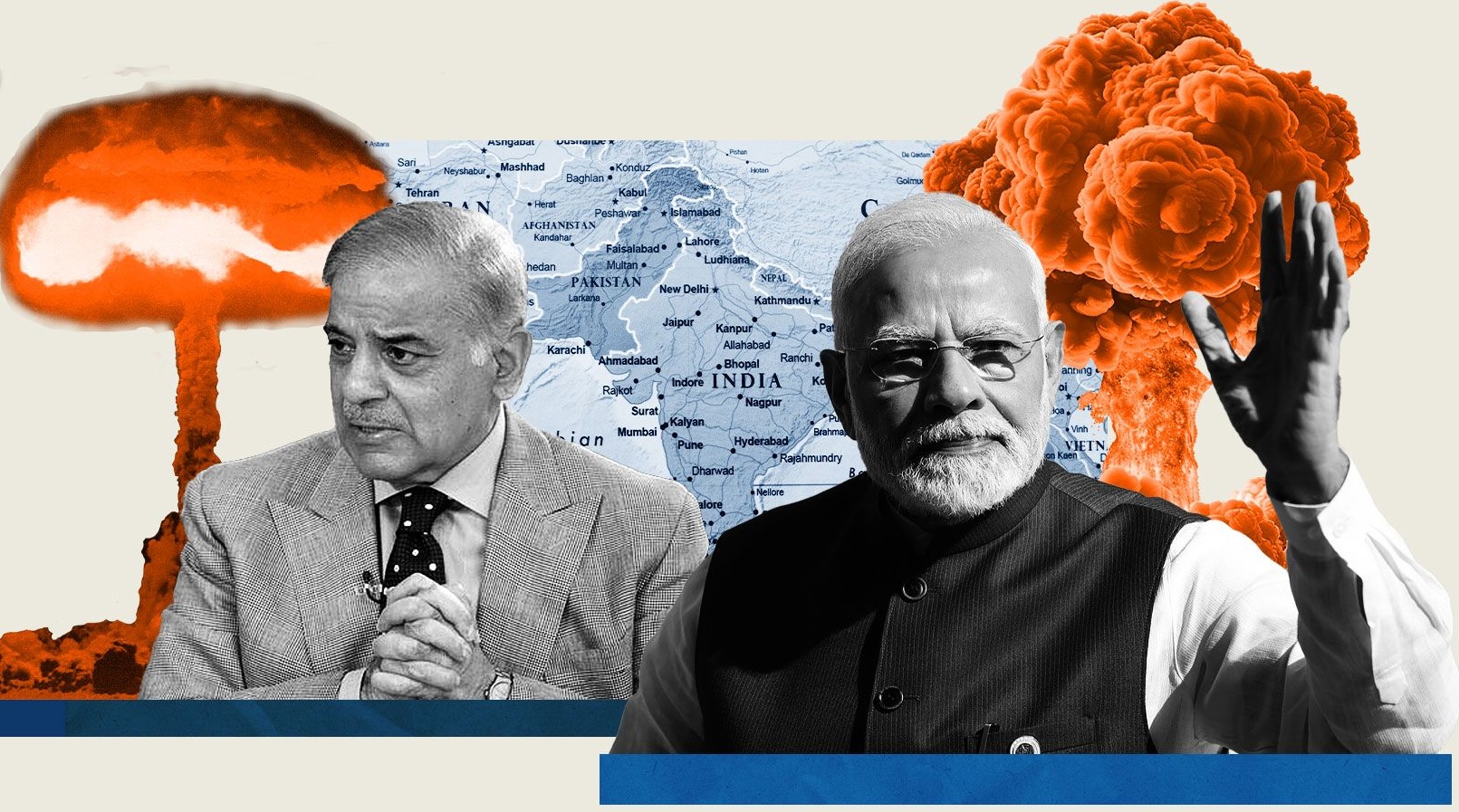
In May 2025, India and Pakistan found themselves on the brink of full-scale war — the most serious escalation since 1999. The conflict began after a terrorist attack in Pahalgam on April 22, in which 26 tourists were killed, including 25 Indian citizens and one Nepali national. The attack was claimed by the group "The Resistance Front," but India accused Pakistan of supporting the terrorists — a claim Islamabad categorically denies.
On May 7, India launched Operation "Sindoor," carrying out 14 missile strikes on alleged bases of the groups Jaish-e-Mohammed and Lashkar-e-Taiba in Pakistan and Pakistan-administered Kashmir. SCALP missiles, AASM Hammer bombs, and SkyStriker kamikaze drones were used. Indian authorities stated that the strikes were “surgical and non-escalatory” and did not target Pakistani military assets.
In response, Pakistan launched missile and drone attacks on Indian cities, including Amritsar. India, for the first time, deployed its S-400 air defense system to intercept the strikes. In aerial battles on May 7, several aircraft were shot down on both sides, including an Indian Rafale fighter jet — the first combat loss of this aircraft type.
Indian Prime Minister Narendra Modi is using the conflict to bolster his image as a strong leader, especially amid domestic political challenges. In Pakistan, General Asim Munir, who has led the army since 2022, has been granted broad powers to conduct military operations and is consolidating his influence in a country where the military traditionally plays a key political role.
The UN, Russia, and China have called on both sides to exercise restraint and pursue peaceful dialogue. However, diplomatic efforts have yet to yield de-escalation. Pakistan has temporarily closed its airspace, while India has suspended the 1960 Indus Waters Treaty, which could lead to humanitarian consequences in the region.
Economic consequences are already being felt: investors are alarmed by the instability in one of the world’s fastest-growing regions, and energy markets are reacting to potential disruptions in supply.
Both countries possess nuclear weapons and officially adhere to a "no first use" policy. However, experts warn that further escalation could have catastrophic consequences. Estimates suggest that a nuclear conflict between India and Pakistan could result in up to 125 million deaths.
The current conflict between India and Pakistan is a dangerous mix of nationalism, historical grievances, and geopolitical ambition. Without immediate intervention and diplomatic efforts, the situation could spiral out of control, with unpredictable consequences for the entire region and the world.
Singh Bhagat
Military Expert, Researcher


 Latest news
Georgia’s Constitutional Court Continues Case on Banning Opposition Parties: Political Pluralism at Stake
12.Oct.2026
Azerbaijan and Iran Step Up Security Contacts Amid Hijab Protests
12.Oct.2026
Personnel Shortages Complicate Ukrainian Forces’ Rotation: Ukraine Faces Long-Term Challenges on the Front Line
11.Oct.2026
Trump Eases Sanctions on Russian Fuel After Talks with Putin: Kyiv Fears Boost to Moscow’s War Revenues
10.Oct.2026
Putin Seeks to Strengthen Russia’s Influence in the Post-Soviet Space Through the CIS
10.Oct.2026
Russia and the South Caucasus: External Pressure, Political Competition and a Crisis of Trust
10.Oct.2026
Peaceful Settlement Between Armenia and Azerbaijan: Moving from Declarations to Implementation
10.Oct.2026
Moldova Ready to Accept as Many Ukrainians as Necessary if Situation Worsens This Winter
09.Oct.2026
Turkmenistan Turns Avaza into a Regional Diplomatic Hub as Caspian, Central Asian and CIS Agendas Converge
08.Oct.2026
Romania Scrambles Spanish F-18s After Aerial Targets Detected Near Ukrainian Border
07.Oct.2026
Berlin Deepens Defence Partnership with Kyiv: Germany to Provide Ukraine with €1 Billion in Military Aid
07.Oct.2026
European Parliament Against Georgian Dream: EU Prepares New Response to Tbilisi
06.Oct.2026
Bulgarian Foreign Minister to Discuss European Security and International Law in the Netherlands
05.Oct.2026
Rheinmetall in Bulgaria: Sofia Emerges as a New NATO Defence-Industrial Hub in the Balkans
05.Oct.2026
The Cost of a Long War: Moscow Expands Spending Plans Through 2029
05.Oct.2026