
 13 Oct 2026









Mass Production of “Octopus” Interceptor Drones: Ukraine’s New Strategic Bet
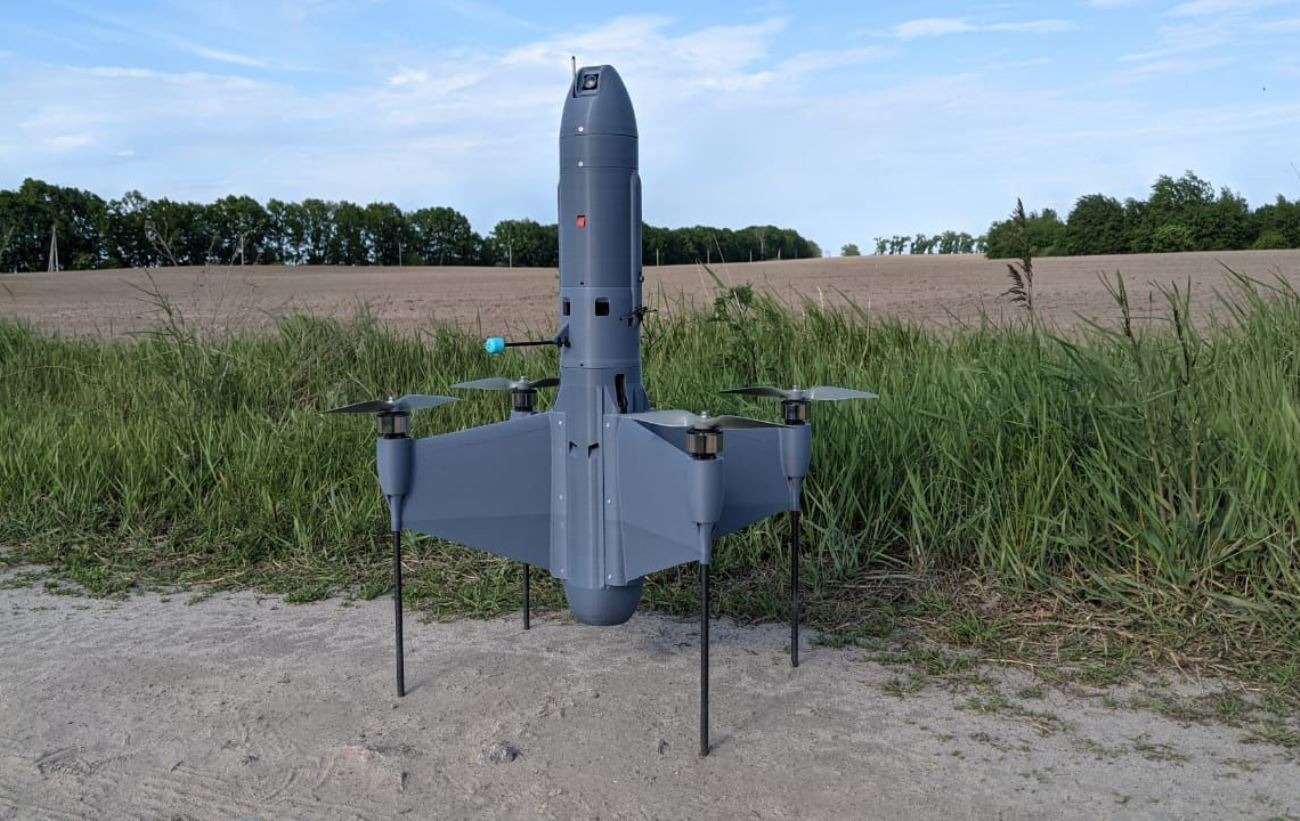
Ukraine has announced the launch of mass production of interceptor drones called “Octopus”, designed to counter Russian Shahed attacks. This is an important technological and strategic step, demonstrating that Kyiv is increasingly relying on domestic innovation to strengthen its air-defense system and reduce its dependence on expensive Western missile systems.
According to the Ukrainian Ministry of Defense, the “Octopus” technology has already been transferred to three Ukrainian manufacturers, with 11 more enterprises preparing their production lines for mass manufacturing.
The interceptor has been tested in combat conditions: according to Prime Minister Denys Shmyhal, the drone can operate at night, at low altitude, and under electronic jamming. President Zelensky has already set a goal of producing up to 1,000 such drones per day.
The Ministry of Defense also states that its policy will involve “open cooperation” with Ukrainian tech companies to accelerate the transition from prototypes to mass-produced combat systems. In addition, Ukraine and the United Kingdom are launching joint production of these drones.
Effectiveness Against Shaheds and Resource Efficiency
Shaheds are single-use strike drones widely employed by Russia during mass attacks. Using traditional air-defense means—missiles or anti-aircraft systems—against them is costly. In this regard, interceptors such as “Octopus” represent a far cheaper and more flexible solution: they can shoot down Shaheds without expending a costly missile.
Innovation and the Growth of Defense Independence
Mass production is not just a military step but a technological message. Ukraine is demonstrating the ability to rapidly iterate and scale combat innovations. The involvement of many manufacturers (three already, 11 more in preparation) indicates that Ukraine’s defense industry is strengthening its internal cooperation.
A Large-Scale Industrial Transformation
The production targets are highly ambitious: up to 1,000 drones per day. Even if Ukraine reaches more modest figures (for example, 600–800 per day, as some sources report), it would still significantly reinforce the constant replenishment of the country’s air defenses.
Geopolitical Dimension
Joint production with the United Kingdom strengthens the strategic partnership. This allows Ukraine not only to scale production domestically but also to leverage foreign capacities and investment.
Shift Toward “Drone Warfare”
This project reflects a broader transformation of the conflict—from classic air-defense systems (missiles, aircraft) to drone-on-drone warfare, where unmanned aerial vehicles intercept other UAVs.

Reaching stable high production rates (up to 1,000 drones per day) requires reliable supplies of components, skilled personnel, and resilient logistics chains. Even inexpensive UAVs require investments in materials, electronics, and infrastructure. Support from Western and international partners will be essential.
Although “Octopus” is designed to operate under electronic jamming, the enemy may seek new ways to suppress or bypass this technology. In response to Ukraine’s scaling of interceptor production, Russia may intensify attacks or change tactics, potentially escalating the conflict.
Reports suggest that Ukraine is considering joint production not only with the UK but also with the United States. In the long term, these drones may become not only a defensive asset but also an export product, provided Ukraine manages mass production and proves their effectiveness.
Drone manufacturing is also stimulating the growth of Ukraine’s civilian drone industry, which may bring positive economic effects beyond the military sphere. Expanding the fleet of interceptors reduces the load on Western air-defense systems, giving Ukraine more flexibility in managing strategic resources.
The serial production of “Octopus” is not just a defensive tool but a symbol of Ukraine’s technological transformation. It demonstrates the country’s ability to pursue independent innovation and scale production during wartime. If the project achieves its planned scale, Ukraine will be able to significantly strengthen its air defenses, reduce the cost of intercepting attacking drones, and possibly turn the technology into an export commodity. At the same time, success depends on resilient supply chains, external financial support, and the ability to adapt to potential countermeasures.


 Latest news
Georgia’s Constitutional Court Continues Case on Banning Opposition Parties: Political Pluralism at Stake
12.Oct.2026
Azerbaijan and Iran Step Up Security Contacts Amid Hijab Protests
12.Oct.2026
Personnel Shortages Complicate Ukrainian Forces’ Rotation: Ukraine Faces Long-Term Challenges on the Front Line
11.Oct.2026
Trump Eases Sanctions on Russian Fuel After Talks with Putin: Kyiv Fears Boost to Moscow’s War Revenues
10.Oct.2026
Putin Seeks to Strengthen Russia’s Influence in the Post-Soviet Space Through the CIS
10.Oct.2026
Russia and the South Caucasus: External Pressure, Political Competition and a Crisis of Trust
10.Oct.2026
Peaceful Settlement Between Armenia and Azerbaijan: Moving from Declarations to Implementation
10.Oct.2026
Moldova Ready to Accept as Many Ukrainians as Necessary if Situation Worsens This Winter
09.Oct.2026
Turkmenistan Turns Avaza into a Regional Diplomatic Hub as Caspian, Central Asian and CIS Agendas Converge
08.Oct.2026
Romania Scrambles Spanish F-18s After Aerial Targets Detected Near Ukrainian Border
07.Oct.2026
Berlin Deepens Defence Partnership with Kyiv: Germany to Provide Ukraine with €1 Billion in Military Aid
07.Oct.2026
European Parliament Against Georgian Dream: EU Prepares New Response to Tbilisi
06.Oct.2026
Bulgarian Foreign Minister to Discuss European Security and International Law in the Netherlands
05.Oct.2026
Rheinmetall in Bulgaria: Sofia Emerges as a New NATO Defence-Industrial Hub in the Balkans
05.Oct.2026
The Cost of a Long War: Moscow Expands Spending Plans Through 2029
05.Oct.2026