
 13 Oct 2026









Russian Drones Violate Latvian Airspace: Incident Raises Tensions Along NATO’s Borders
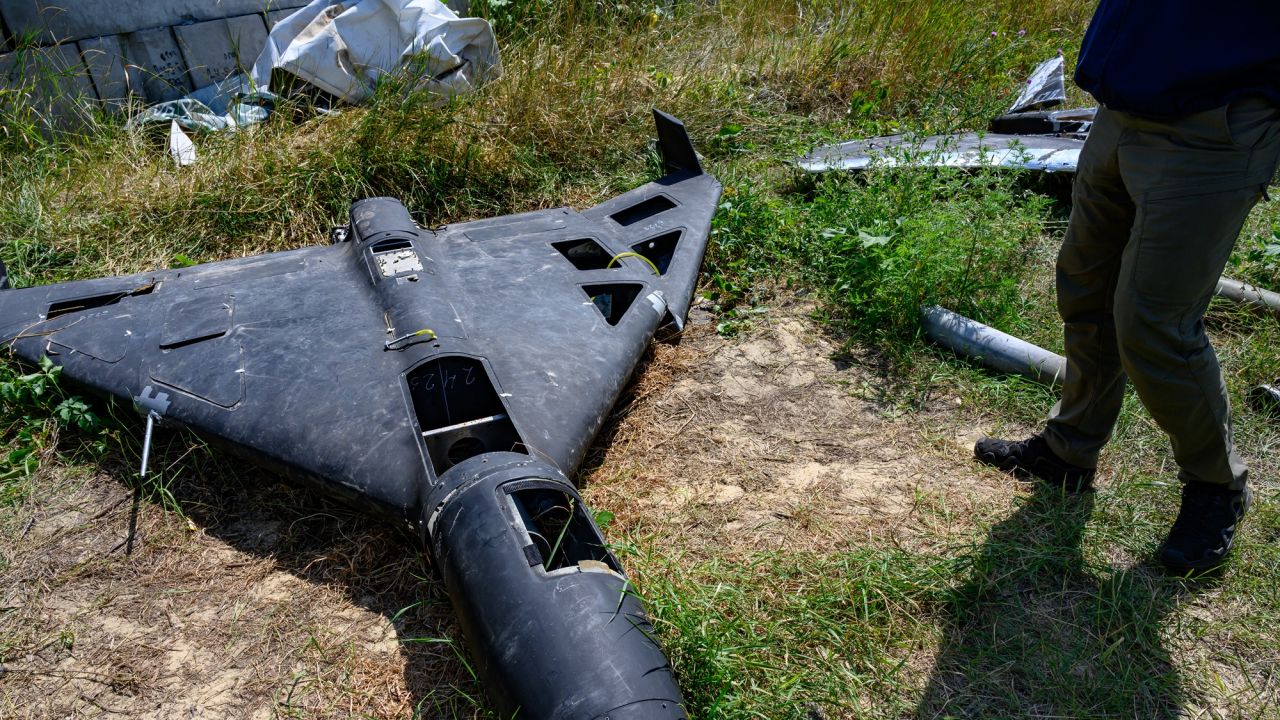
Today, the Latvian military reported an unusual incident on its territory: two unmanned aerial vehicles, believed to be of Russian origin, were detected and later destroyed. According to military officials, the drones violated the country’s airspace, prompting Latvia’s air defense systems to respond and shoot them down without causing damage to civilians or infrastructure. The incident comes amid growing regional tensions linked to the ongoing confrontation between Russia and NATO countries, especially given that Latvia has been a member of the alliance since 2004.
Latvian authorities have not yet disclosed detailed information about the origin or exact type of the drones. However, analysts suggest they may have been short- or medium-range reconnaissance UAVs used to monitor NATO positions and military movements in the region. The event highlights the strategic vulnerability of the Baltic states and the need to strengthen air surveillance capabilities, including deeper integration with neighboring NATO members’ air defense systems.
Overall, the incident demonstrates that tensions along NATO’s borders with Russia remain high, while drone technology continues to play a key role in modern military tactics and intelligence gathering. Latvia, like other Baltic nations, is being forced to balance military readiness with restraint in order to avoid unintended escalation.
Experts note that the incident reflects increasing Russian drone activity near the Baltic region, as well as improvements in Latvia’s early warning and air defense capabilities. For NATO, such events serve as a reminder of the importance of continuous airspace monitoring and intelligence sharing among Baltic allies. The situation also underlines the risk of accidental escalation: although the drones were neutralized without civilian harm, repeated airspace violations could eventually lead to more serious consequences in the event of a miscalculation or provocation.


 Latest news
Georgia’s Constitutional Court Continues Case on Banning Opposition Parties: Political Pluralism at Stake
12.Oct.2026
Azerbaijan and Iran Step Up Security Contacts Amid Hijab Protests
12.Oct.2026
Personnel Shortages Complicate Ukrainian Forces’ Rotation: Ukraine Faces Long-Term Challenges on the Front Line
11.Oct.2026
Trump Eases Sanctions on Russian Fuel After Talks with Putin: Kyiv Fears Boost to Moscow’s War Revenues
10.Oct.2026
Putin Seeks to Strengthen Russia’s Influence in the Post-Soviet Space Through the CIS
10.Oct.2026
Russia and the South Caucasus: External Pressure, Political Competition and a Crisis of Trust
10.Oct.2026
Peaceful Settlement Between Armenia and Azerbaijan: Moving from Declarations to Implementation
10.Oct.2026
Moldova Ready to Accept as Many Ukrainians as Necessary if Situation Worsens This Winter
09.Oct.2026
Turkmenistan Turns Avaza into a Regional Diplomatic Hub as Caspian, Central Asian and CIS Agendas Converge
08.Oct.2026
Romania Scrambles Spanish F-18s After Aerial Targets Detected Near Ukrainian Border
07.Oct.2026
Berlin Deepens Defence Partnership with Kyiv: Germany to Provide Ukraine with €1 Billion in Military Aid
07.Oct.2026
European Parliament Against Georgian Dream: EU Prepares New Response to Tbilisi
06.Oct.2026
Bulgarian Foreign Minister to Discuss European Security and International Law in the Netherlands
05.Oct.2026
Rheinmetall in Bulgaria: Sofia Emerges as a New NATO Defence-Industrial Hub in the Balkans
05.Oct.2026
The Cost of a Long War: Moscow Expands Spending Plans Through 2029
05.Oct.2026