
 13 Oct 2026









Turkiye Between NATO and Russia: Why the S-400 Issue Has Become Key to Ankara’s Future
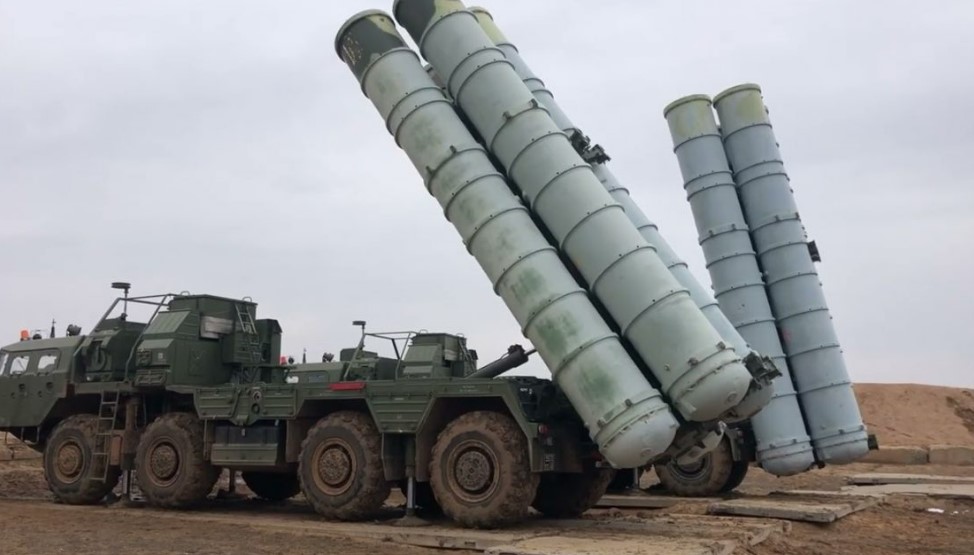
Amid rising tensions in the Middle East and the ongoing transformation of the international security system, Turkiye has once again found itself at the center of global geopolitics. President Recep Tayyip Erdogan has intensified diplomatic contacts with Washington and NATO while simultaneously maintaining a strategic dialogue with Moscow. One of the key issues in recent weeks has been the possible return of Ankara to the American F-35 fighter jet program, from which Turkiye was excluded after purchasing the Russian S-400 air defense systems.
In interviews with Western media, Erdogan openly stated that he considers Turkiye’s removal from the F-35 program unfair and contrary to NATO’s own interests. According to the Turkish leader, Ankara has already paid substantial sums for the aircraft and expects to restore full military-technical cooperation with the United States. More cautious signals about a possible compromise have also begun to emerge in Washington. U.S. Ambassador to Turkiye Tom Barrack described the prolonged dispute over the S-400 systems as “madness” and suggested that a diplomatic solution could be found within the coming months.
The main obstacle remains the fate of the Russian S-400 systems. According to several international media outlets, the Turkish side discussed with Moscow the possibility of abandoning the systems or even returning them to Russia in exchange for restoring relations with the United States and regaining access to the F-35 program. The Kremlin officially denied reports of such negotiations between Vladimir Putin and Erdogan, yet the issue continues to be actively discussed in diplomatic circles.
The situation reflects a deeper crisis in Turkiye’s relations with its Western allies. The purchase of the S-400 systems in 2017 became a symbol of Ankara’s pursuit of strategic autonomy and triggered a serious conflict within NATO. The United States subsequently removed Turkiye from the F-35 program and imposed sanctions on the Turkish defense sector. However, the regional environment has changed significantly in recent years: the war in Ukraine, instability in Syria, and Iran’s growing influence have once again increased Turkiye’s importance as a key NATO member on the alliance’s southern flank.
At the same time, Ankara is actively developing its own defense industry. Turkiye’s fifth-generation fighter jet, KAAN, has already completed its maiden test flight and is viewed by the authorities as a symbol of the country’s technological independence. Turkiye seeks to reduce its dependence on foreign arms suppliers and become one of the leading weapons producers in the region. At the same time, Ankara does not want to completely sever ties either with Russia or with the West, continuing its traditional policy of balancing between major centers of power.
Experts note that Erdogan’s current policy is based on a pragmatic approach: Turkiye is simultaneously trying to strengthen its position within NATO, obtain Western technologies, and preserve economic and political channels of interaction with Russia. This is why the S-400 issue has evolved from a mere dispute over weapons systems into an indicator of Ankara’s future foreign policy direction.


 Latest news
Georgia’s Constitutional Court Continues Case on Banning Opposition Parties: Political Pluralism at Stake
12.Oct.2026
Azerbaijan and Iran Step Up Security Contacts Amid Hijab Protests
12.Oct.2026
Personnel Shortages Complicate Ukrainian Forces’ Rotation: Ukraine Faces Long-Term Challenges on the Front Line
11.Oct.2026
Trump Eases Sanctions on Russian Fuel After Talks with Putin: Kyiv Fears Boost to Moscow’s War Revenues
10.Oct.2026
Putin Seeks to Strengthen Russia’s Influence in the Post-Soviet Space Through the CIS
10.Oct.2026
Russia and the South Caucasus: External Pressure, Political Competition and a Crisis of Trust
10.Oct.2026
Peaceful Settlement Between Armenia and Azerbaijan: Moving from Declarations to Implementation
10.Oct.2026
Moldova Ready to Accept as Many Ukrainians as Necessary if Situation Worsens This Winter
09.Oct.2026
Turkmenistan Turns Avaza into a Regional Diplomatic Hub as Caspian, Central Asian and CIS Agendas Converge
08.Oct.2026
Romania Scrambles Spanish F-18s After Aerial Targets Detected Near Ukrainian Border
07.Oct.2026
Berlin Deepens Defence Partnership with Kyiv: Germany to Provide Ukraine with €1 Billion in Military Aid
07.Oct.2026
European Parliament Against Georgian Dream: EU Prepares New Response to Tbilisi
06.Oct.2026
Bulgarian Foreign Minister to Discuss European Security and International Law in the Netherlands
05.Oct.2026
Rheinmetall in Bulgaria: Sofia Emerges as a New NATO Defence-Industrial Hub in the Balkans
05.Oct.2026
The Cost of a Long War: Moscow Expands Spending Plans Through 2029
05.Oct.2026