
 13 Oct 2026









Bulgaria Determined to Maintain Air Defense Capabilities as Debate Grows Over Possible Purchase of Polish MiG-29s
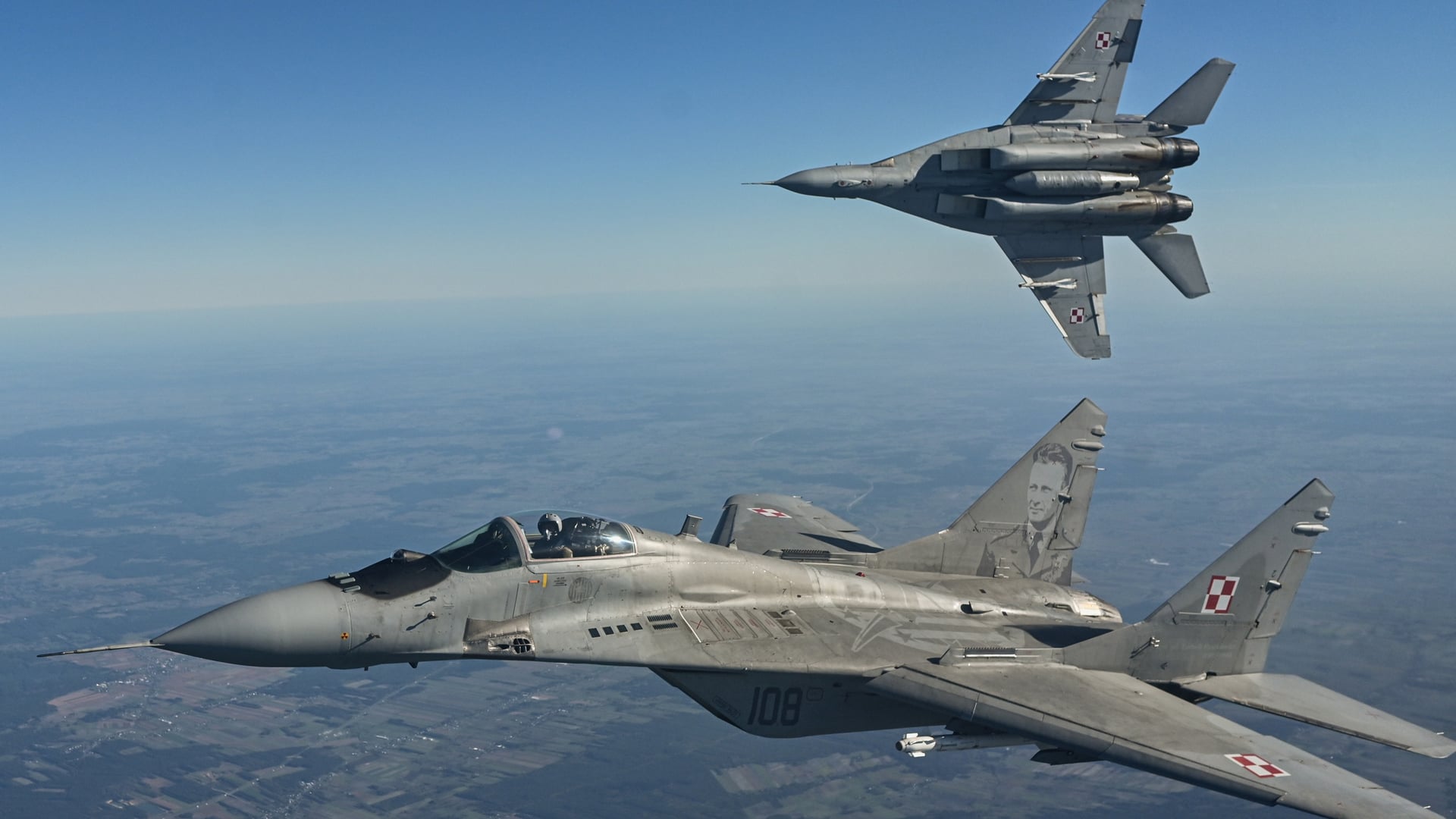
A political debate continues in Bulgaria over the possible acquisition of Polish MiG-29 fighter jets and spare parts for the country's Air Force. The discussion intensified after Polish officials stated that Sofia had expressed interest in aircraft that had previously been considered for transfer to Ukraine. However, Bulgaria's Ministry of Defense has officially denied that negotiations with Warsaw on purchasing MiG-29s are currently underway, while emphasizing that maintaining the operational readiness of the Bulgarian Air Force remains a national priority.
The issue has sparked heated discussions in Parliament. Opposition lawmakers have criticized Defense Minister Atanas Zapryanov, demanding clarification following statements made by Polish officials. In response, the Ministry of Defense reiterated that Bulgaria remains fully committed to its long-term modernization program centered on the introduction of U.S.-made F-16 Block 70 fighter jets.
Despite these assurances, military analysts note that Bulgaria must preserve its existing air defense capabilities until the new F-16 fleet reaches full operational readiness. Bulgaria is one of the NATO members that independently conducts its Air Policing mission, and prematurely retiring the MiG-29 fleet could create a temporary capability gap in the country's air defense.
According to several defense publications, Bulgaria's reported interest may be focused less on acquiring additional combat aircraft and more on obtaining spare parts to extend the service life of its existing MiG-29 fleet. Such a solution would allow the Air Force to maintain operational readiness during the transition to Western-made aircraft.

From a national security perspective, Bulgaria's approach appears pragmatic rather than ideological. Sofia has already made a strategic decision to transition fully to NATO standards by ordering 16 U.S.-built F-16 Block 70 fighters. However, such modernization programs require several years for aircraft deliveries, pilot training, maintenance personnel certification, and the development of the necessary infrastructure.
Under these circumstances, retaining the MiG-29 fleet is not a return to Soviet-era equipment but a practical measure aimed at ensuring uninterrupted air defense capabilities. For a country with a relatively small combat aviation fleet, even a temporary shortage of operational fighter aircraft could weaken national security and increase dependence on allied NATO air assets.
Furthermore, acquiring Polish MiG-29s or spare parts would allow Bulgaria to maximize the use of its existing maintenance infrastructure and experienced personnel while avoiding more costly interim solutions. Similar approaches have been adopted by several European NATO members, which continue operating legacy Soviet-designed equipment until replacement platforms become fully operational.
In the longer term, Bulgaria's strategic course remains unchanged. The country is committed to completing the transition to the F-16 Block 70 and further integrating its Air Force into NATO's modern collective defense architecture. Until that process is complete, however, maintaining the operational capability of the MiG-29 fleet represents a practical and economically justified solution aimed solely at safeguarding Bulgaria's national airspace and defense readiness.


 Latest news
Georgia’s Constitutional Court Continues Case on Banning Opposition Parties: Political Pluralism at Stake
12.Oct.2026
Azerbaijan and Iran Step Up Security Contacts Amid Hijab Protests
12.Oct.2026
Personnel Shortages Complicate Ukrainian Forces’ Rotation: Ukraine Faces Long-Term Challenges on the Front Line
11.Oct.2026
Trump Eases Sanctions on Russian Fuel After Talks with Putin: Kyiv Fears Boost to Moscow’s War Revenues
10.Oct.2026
Putin Seeks to Strengthen Russia’s Influence in the Post-Soviet Space Through the CIS
10.Oct.2026
Russia and the South Caucasus: External Pressure, Political Competition and a Crisis of Trust
10.Oct.2026
Peaceful Settlement Between Armenia and Azerbaijan: Moving from Declarations to Implementation
10.Oct.2026
Moldova Ready to Accept as Many Ukrainians as Necessary if Situation Worsens This Winter
09.Oct.2026
Turkmenistan Turns Avaza into a Regional Diplomatic Hub as Caspian, Central Asian and CIS Agendas Converge
08.Oct.2026
Romania Scrambles Spanish F-18s After Aerial Targets Detected Near Ukrainian Border
07.Oct.2026
Berlin Deepens Defence Partnership with Kyiv: Germany to Provide Ukraine with €1 Billion in Military Aid
07.Oct.2026
European Parliament Against Georgian Dream: EU Prepares New Response to Tbilisi
06.Oct.2026
Bulgarian Foreign Minister to Discuss European Security and International Law in the Netherlands
05.Oct.2026
Rheinmetall in Bulgaria: Sofia Emerges as a New NATO Defence-Industrial Hub in the Balkans
05.Oct.2026
The Cost of a Long War: Moscow Expands Spending Plans Through 2029
05.Oct.2026